Introduction
In an increasingly connected world, service outages can disrupt communication and functionality across various platforms. Downdetector has emerged as a crucial tool for users to monitor these outages in real-time. By providing users with immediate insights into whether their favourite online services are down, Downdetector plays a significant role in maintaining user awareness and connectivity.
What is Downdetector?
Downdetector is a web-based platform that collects and analyses user reports of outages for a multitude of online services, including social media networks, gaming platforms, streaming services, and even internet providers. Founded in 2012, this service quickly gained traction due to its user-friendly interface and real-time outage maps, making it easier for people to report issues as they occur.
Recent Notable Outages and Trends
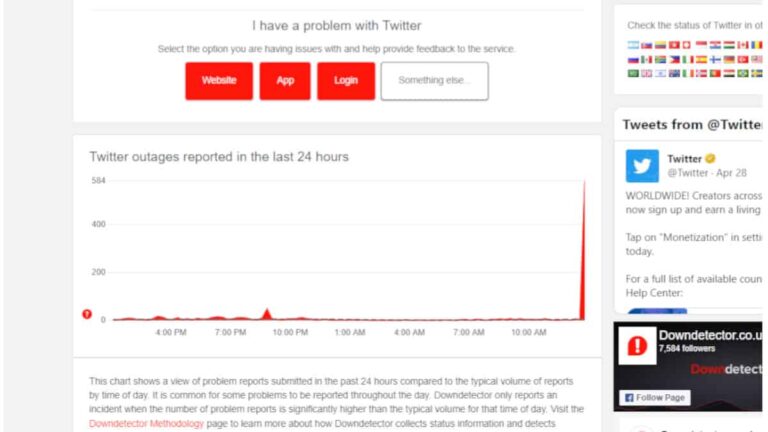
In recent months, Downdetector has seen a surge in reports related to major service outages across different sectors. For example, in September 2023, a substantial outage involving a popular social media platform affected millions of users worldwide, leading to a sharp spike in reports on Downdetector. The platform’s analytical features provided valuable insights into the scope and duration of the disruption, allowing users to stay informed.
Moreover, during high-traffic events like product launches or major sports events, Downdetector typically experiences increased activity. This phenomenon can help service providers identify potential weaknesses in their infrastructure, particularly during peak usage times.
The Importance of User Reports
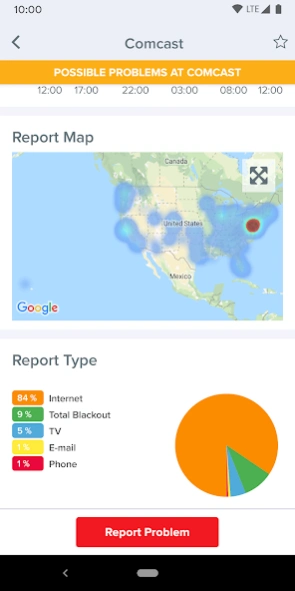
The real power of Downdetector lies in its community-driven reporting system. Users can report whether a service is down, and these reports are aggregated to create a real-time visual representation of service status. This immediacy helps other users make informed decisions about troubleshooting connectivity issues or when to expect a resolution. Downdetector also provides a timeline of reports, enabling users to track the history of outages and gain insights into patterns of service reliability.
Conclusion
In an era where digital information is paramount, tools like Downdetector serve a vital purpose. They enable users to remain informed and prepared in the face of service disruptions. As reliance on online platforms continues to grow, the significance of Downdetector will only increase, serving as an essential resource for millions globally. Looking forward, its role in preemptively identifying potential outages through historical data analysis may further enhance user experience and connectivity in our digital landscape.