Introduction
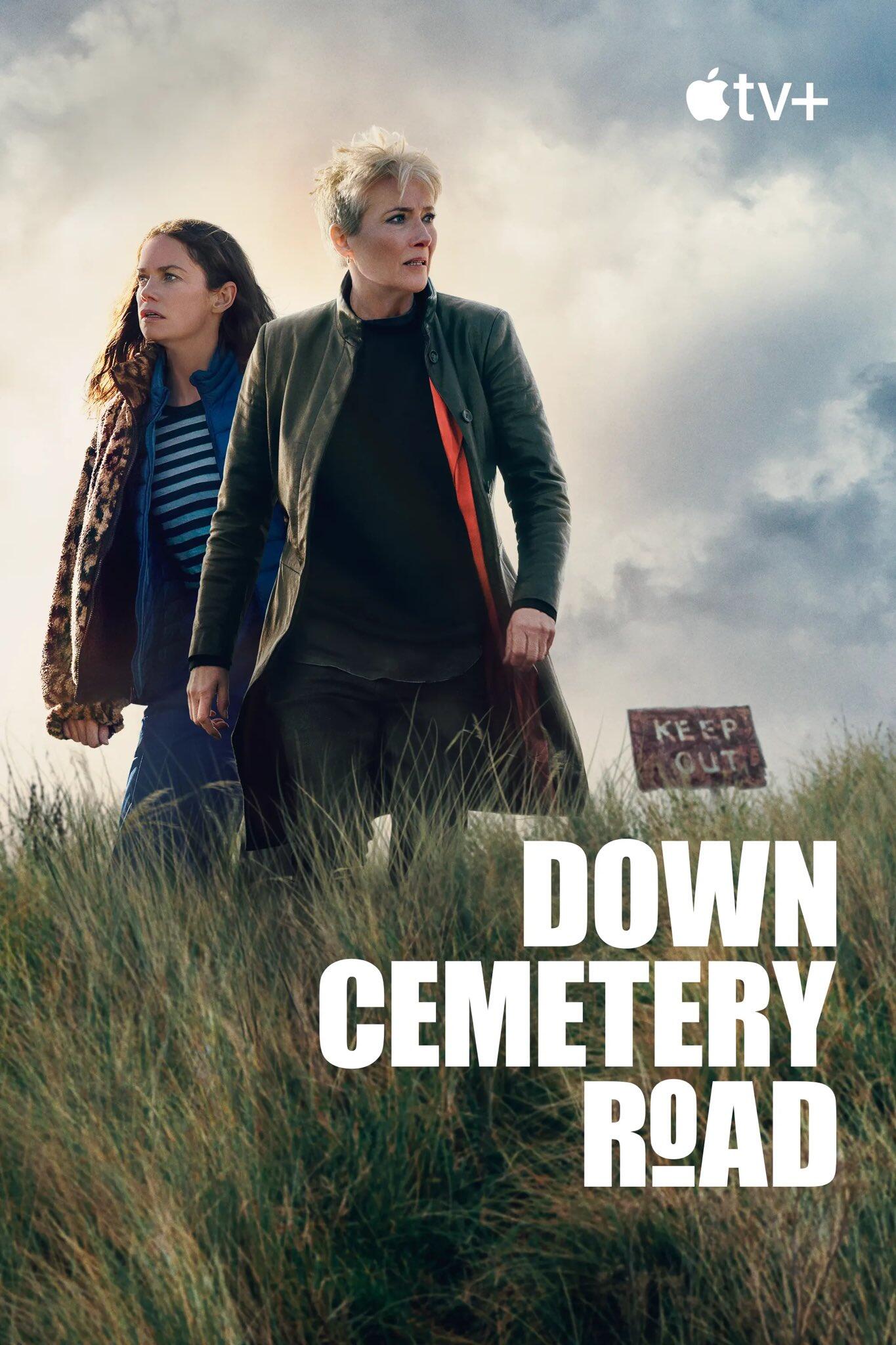
The phrase “Down Cemetery Road” has recently gained traction in various cultural discussions, evoking reflections on mortality, history, and the societal relationship with death. As both a literal and metaphorical path, it represents not just the physical act of visiting cemeteries, but also deeper meanings tied to remembrance, heritage, and existential contemplation.
The Literal Journey
In many communities, cemeteries are not merely places of mourning but serve as important historical sites that connect the living to their ancestors. Recent studies published by cultural anthropologists have highlighted how fewer people visit these sites, raising concerns about the preservation of local histories and familial connections. This emerging trend prompts critical questions: Are we losing sight of our roots? And how does the path “down cemetery road” shape our understanding of identity and culture today?
Rising Public Interest
A growing number of art installations, literature, and academic discussions focus on this theme. For instance, in the past year, several art exhibitions across the UK have showcased works themed around mortality, featuring installations that reflect on the serene yet eerie nature of visiting cemeteries. Additionally, podcasts and articles exploring death and dying have surged in popularity, suggesting a renewed interest in grief and remembrance.
Cemeteries as Cultural Landscapes
Cemeteries serve as vital cultural landscapes, housing not just the deceased but a tapestry of stories, traditions, and changes within society. Urban planning discussions have also begun to consider the role of these spaces as green areas that can offer tranquillity and respite amid bustling city life. As such, the phrase “down cemetery road” resonates not just as a physical journey to one’s final resting place but as a metaphorical exploration of heritage and memory.
Conclusion
In conclusion, the cultural significance of “down cemetery road” is multifaceted and increasingly relevant, marking a vital intersection between history, memory, and societal attitudes toward death. As discussions surrounding mortality continue to evolve, it may be worthwhile for society to revisit its relationship with cemeteries, recognising them as key sites not just of loss, but of connection and continuity. The path may lead us to deeper insights regarding who we are and the stories we choose to carry forward into the future.