Introduction to Depo Provera
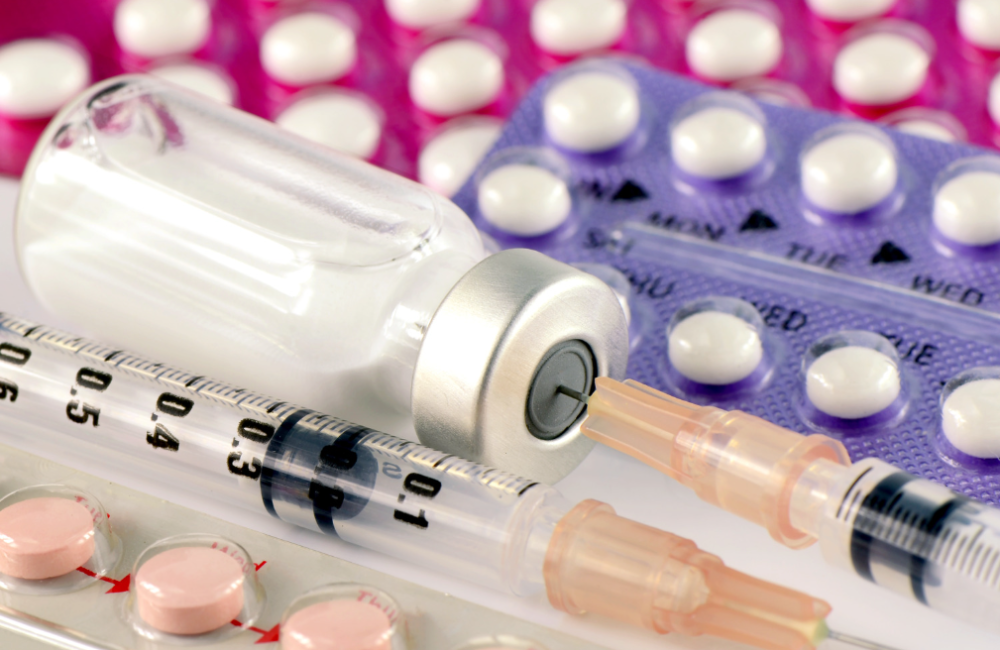
Depo Provera, a contraceptive injection containing the hormone medroxyprogesterone acetate, has been widely used for over three decades. Its importance in family planning cannot be overstated, offering a long-term solution for those seeking to prevent pregnancy. With growing discussions around reproductive health, understanding the nuances of Depo Provera is increasingly relevant for individuals considering this method.
How Depo Provera Works
Administered once every three months, Depo Provera works primarily by preventing ovulation. Additionally, it thickens cervical mucus, making it difficult for sperm to reach any eggs that may have been released. The injection is 94% effective when administered on schedule, making it a reliable choice for many women.
Recent Developments and Considerations
Recent studies have brought attention to the potential side effects and health implications associated with Depo Provera. Some users report weight gain, changes in menstrual cycles, and delayed return to fertility after discontinuation. In July 2023, the World Health Organisation released a report highlighting these concerns, suggesting that healthcare providers should discuss both risks and benefits with patients considering this contraceptive option.
Significance for Users
For many, Depo Provera offers a convenient and discreet contraceptive method, particularly advantageous for those who may struggle with daily pill adherence. However, it is essential for potential users to engage in informed discussions with healthcare professionals. Assessing individual health history, lifestyle, and reproductive goals is crucial for making the best decision.
Conclusion
As discussions around women’s health and reproductive rights continue to evolve, understanding contraception methods like Depo Provera remains vital. While it presents a reliable option for many, awareness of potential side effects and individual health considerations must guide its use. As more research emerges, it is essential that users stay informed, ensuring their choices align with their health needs and family planning goals. This knowledge empowers individuals to take charge of their reproductive health.