Introduction
Fuel prices are a pressing concern for consumers and businesses alike, as they directly affect the cost of living and transportation expenses. Recently, fluctuations in global oil markets have led to significant changes in fuel prices across the United Kingdom. This article aims to explore the current trends in fuel prices, their influencing factors, and the implications for consumers and the economy.
Current State of Fuel Prices
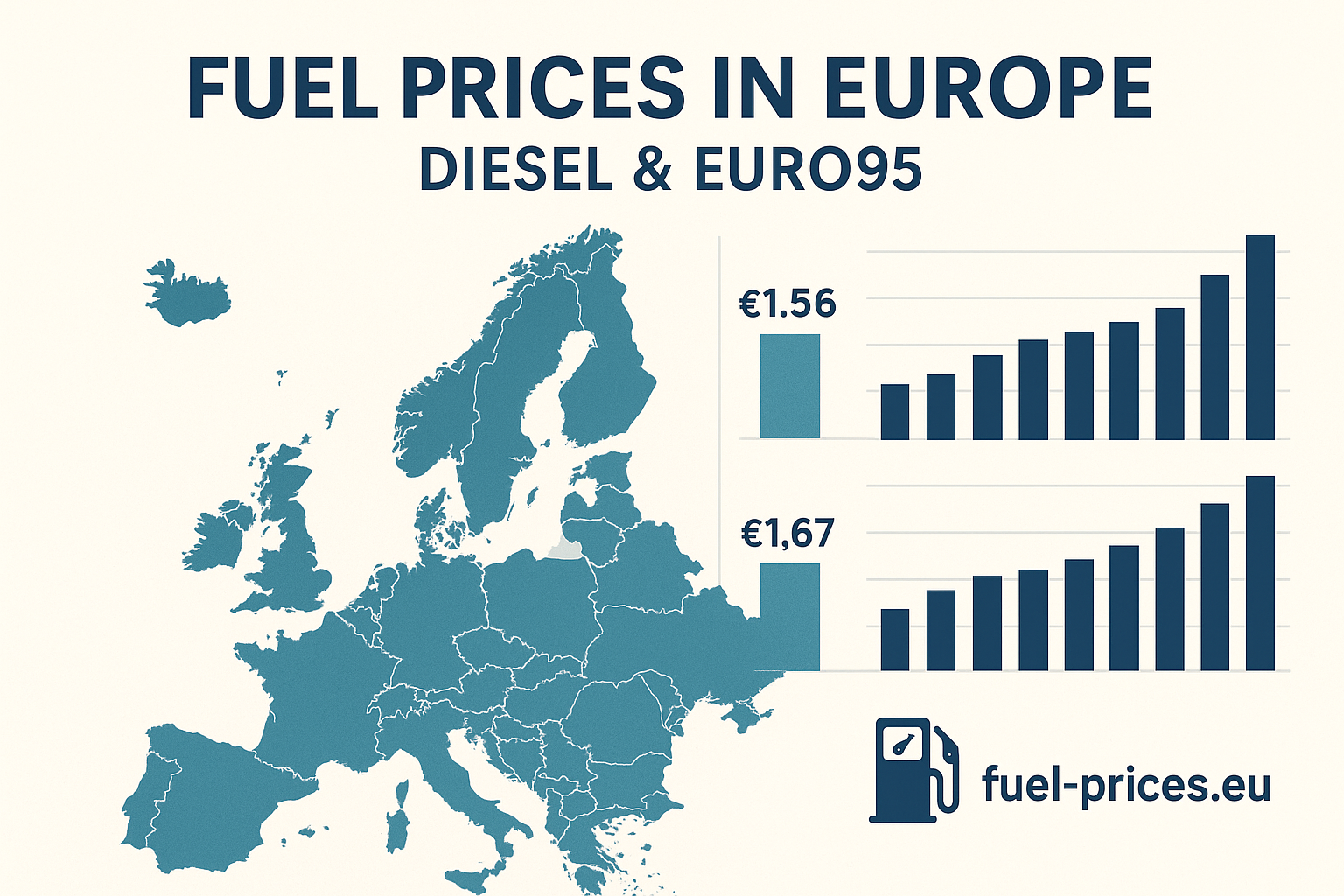
As of October 2023, the price of unleaded petrol in the UK averages around £1.58 per litre, while diesel is approximately £1.65 per litre, marking an increase of nearly 12% over the past year. This upward trend is attributed to several key factors, including the ongoing geopolitical tensions, supply chain disruptions, and production cuts by major oil-producing nations.
Influencing Factors
One of the most significant contributors to rising fuel prices has been the conflict in Eastern Europe, particularly the effects of sanctions and the unpredictability surrounding oil supply. Additionally, OPEC+ has recently decided to continue their production cuts, aiming to stabilise diminishing oil prices amid fluctuating demand.
Another important factor is the increase in demand as economies worldwide continue to recover from the COVID-19 pandemic. The return to normalcy has led to a surge in travel and transport, further augmenting the demand for fuel.
Impact on Consumers and Economy
The surge in fuel prices has direct implications for consumers, leading to higher costs for transportation, affecting everything from commuting expenses to the price of goods transported across the country. Many households are feeling the pinch, prompting discussions around increased support for low-income families and potential government interventions to mitigate the impact.
Moreover, higher fuel prices also have a cascading effect on the economy, as businesses face rising operational costs, which may ultimately lead to price increases for consumers. This scenario can contribute to inflationary pressures, creating a challenging economic environment.
Conclusion
In conclusion, the ongoing fluctuations in fuel prices represent a complex interplay of global events and market dynamics. With multiple factors at play, from geopolitical issues to recovery-induced demand, consumers and businesses will need to remain vigilant. Forecasts suggest that while some stabilisation may occur, volatility in fuel prices is likely to continue in the near future, making it crucial for individuals and policymakers to adapt accordingly.