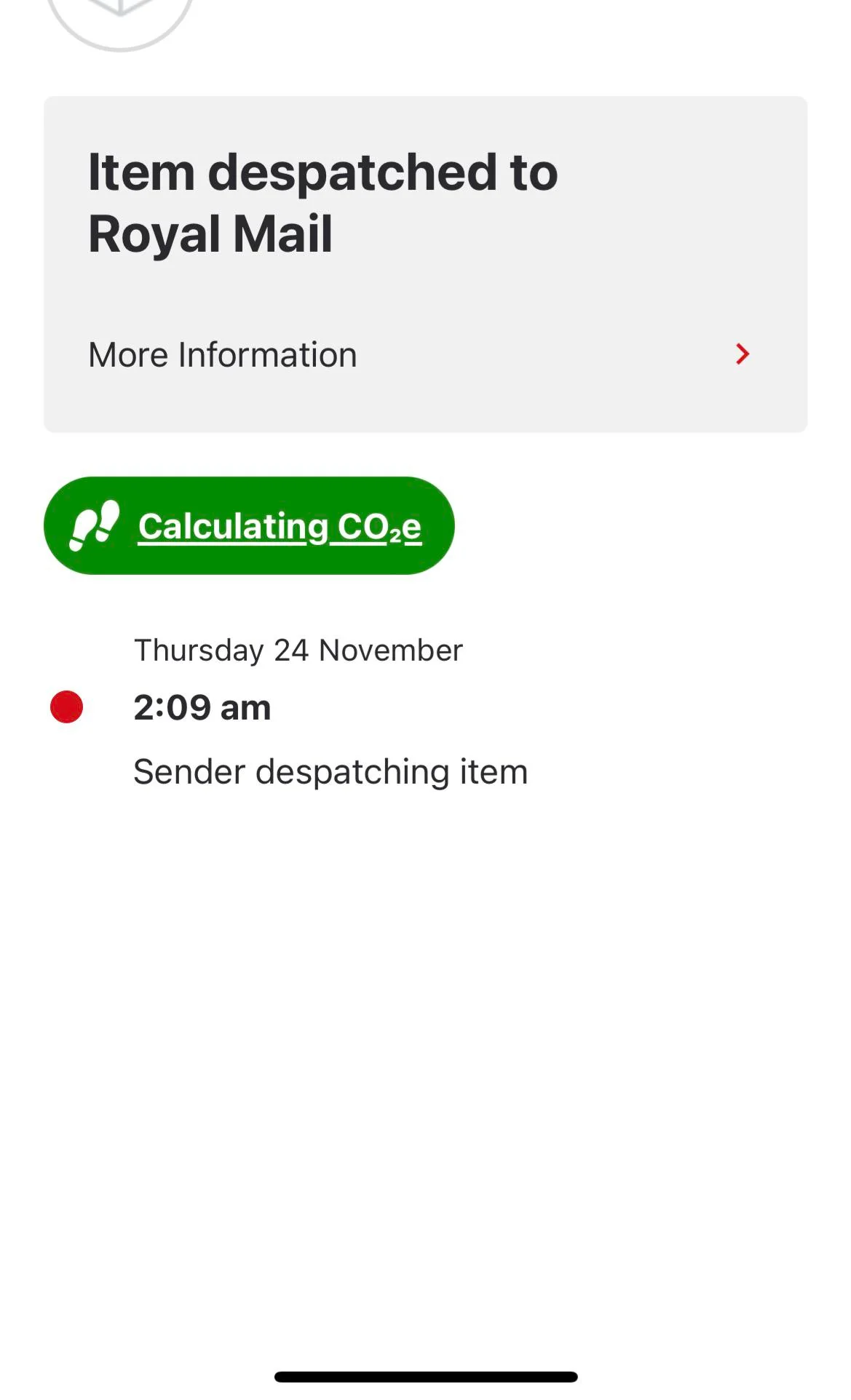
Introduction
The issue of Royal Mail delays has become increasingly relevant in recent months, as consumers and businesses alike grapple with inconsistent postal services. With the rise of e-commerce, effective and timely mail deliveries are more important than ever. Interruptions in these services not only disrupt personal communications but also threaten the operational efficiency of numerous businesses relying on swift deliveries.
Main Causes of Delays
Several factors contribute to the ongoing Royal Mail delays. Firstly, staffing shortages impacted by the global pandemic and subsequent strikes over pay and working conditions have created significant backlogs. According to the Royal Mail, some delivery hubs are functioning at reduced capacity, which has made it challenging to meet delivery targets.
Furthermore, last-minute surges in parcel volumes, particularly during peak seasons such as Christmas or Black Friday, have compounded existing issues. Recent reports highlight that, while Royal Mail aims to deliver 93% of first-class mail the next day, achieving this target has been increasingly difficult amidst rising demand and service disruptions.
Impacts of Delays
The effects of these delays are far-reaching. For individuals, late deliveries can lead to missed opportunities for important documents, gifts, or essential items. Businesses, especially small retailers and e-commerce platforms, face financial implications as customer dissatisfaction can lead to reduced sales and damage to brand reputation. Surveys indicate that over 40% of online shoppers are likely to abandon purchases due to concerns over delivery reliability, making timely postal service critical for maintaining customer trust.
Steps Being Taken
In response to these challenges, Royal Mail is actively working on various strategies to alleviate delays. Initiatives include hiring additional staff and investing in technology to optimise sorting and delivery processes. The company has also started collaborating with alternative delivery services to enhance last-mile delivery efficiency.
Conclusion
The situation regarding Royal Mail delays illustrates significant challenges in the UK’s postal system that need immediate attention. While steps are being taken to mitigate these issues, the full recovery of services may take time. Consumers and businesses alike must remain vigilant and adaptive, exploring alternative delivery options if necessary. As Royal Mail works towards restoring reliability, ongoing communications will be key in rebuilding consumer confidence.