The Rise of Cryptocurrency Trading
Cryptocurrency trading has significantly gained traction in recent years, becoming an essential component of the modern financial landscape. With the advent of Bitcoin in 2009, and the subsequent emergence of thousands of alternative cryptocurrencies, this digital asset class has attracted a diverse group of investors ranging from individual traders to large institutional investors.
Current Market Trends
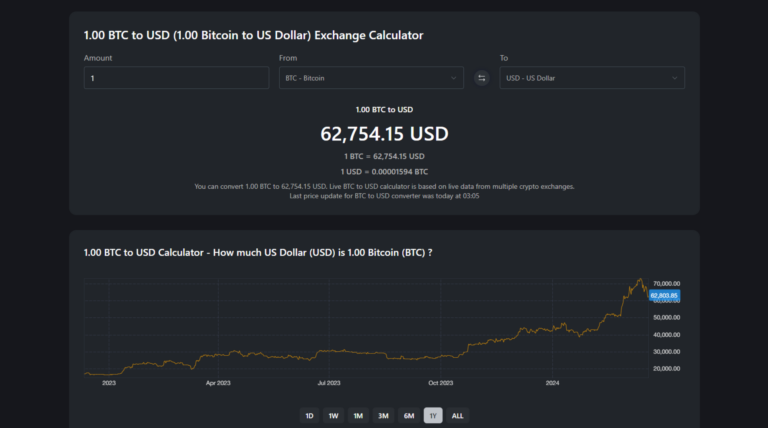
As of October 2023, the global cryptocurrency market has experienced increased volatility, driving both speculative trading and long-term investment strategies. According to CoinMarketCap, the total market capitalisation of cryptocurrencies stands at approximately $1.2 trillion. This volatility, often influenced by regulatory news, technological advancements, and macroeconomic factors, presents both risks and opportunities for traders.
Notably, Ethereum has continued to solidify its position as the second-largest cryptocurrency by market cap, benefiting from its robust smart contract capabilities. Meanwhile, newer entrants such as Solana and Cardano have gained popularity for their scalability and lower transaction costs.
Regulatory Framework
With the rising interest in cryptocurrency trading, regulatory frameworks are evolving globally. In the United Kingdom, the Financial Conduct Authority (FCA) has implemented stricter regulations aimed at protecting investors and ensuring market integrity. These regulations include licensing requirements for cryptocurrency exchanges and clear guidance on the promotion of crypto assets.
In contrast, other jurisdictions like El Salvador have adopted a more progressive stance by recognising Bitcoin as legal tender. Such contrasting approaches highlight the ongoing debates regarding the regulation of cryptocurrencies and their implications for global trade.
Risks and Considerations
While cryptocurrency trading provides significant profit potential, it is also fraught with risks. Factors such as market volatility, security breaches, and regulatory changes can lead to substantial financial loss. Therefore, it is crucial for traders to develop a sound strategy, conduct thorough research, and consider diversification to mitigate risks.
Future Outlook
Looking ahead, experts predict that cryptocurrency trading will continue to evolve. Advancements in blockchain technology, growing institutional adoption, and the potential introduction of Central Bank Digital Currencies (CBDCs) could shape the future of financial transactions. As a result, staying informed about market trends and regulatory developments will be essential for all participants in the cryptocurrency trading space.
Conclusion
In conclusion, cryptocurrency trading offers vast opportunities alongside significant challenges. As the market matures, traders and investors must remain vigilant, adapting their strategies to the changing landscape. Understanding the dynamics of cryptocurrency trading is not only relevant but increasingly crucial for navigating this complex and exciting market.