Introduction
City Hall, located on the southern bank of the River Thames, serves as the headquarters of the Greater London Authority (GLA) and is pivotal in the governance of London. Not only is it a hub for political activities, but it also acts as a space for public engagement and community events, making it a crucial part of London’s civic identity.
Architectural Significance
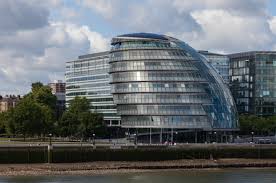
The current City Hall, designed by renowned architect Norman Foster, was officially opened in 2002. Its distinctive bulbous shape and glass façade exemplify modern architecture and sustainability. Notably, it is built with energy-efficient features, aligning with London’s Green New Deal initiatives aimed at reducing carbon emissions. The building stands as a symbol of transparency and accessibility, which are core values of the GLA.
Current Events and Activities
Recently, City Hall has been at the forefront of addressing pressing issues such as the COVID-19 pandemic response and climate change. With Mayor Sadiq Khan at the helm, a significant focus has been placed on enhancing public transport and cycling infrastructure as part of a broader strategy to improve air quality across the capital.
In addition to these initiatives, City Hall has been actively involved in community outreach programmes. The GLA hosts regular consultations and workshops aimed at gathering public opinion on vital topics, including housing, healthcare, and social equality. These events craft a participatory governance framework that encourages Londoners to voice their concerns and suggestions.
Impact on Londoners
The efforts made by the GLA through City Hall have profound implications for the lives of Londoners. Improved public transport systems, initiatives for affordable housing, and local business support are just a few aspects that enhance quality of life in the city. Moreover, the public can engage with representatives and influence decision-making processes which directly affect their communities. As such, City Hall stands not only as a governmental entity but also as a trusted partner to the citizens of London.
Conclusion
In conclusion, City Hall is not merely an architectural landmark; it is a vital centre for governance and community engagement in London. As urban challenges continue to evolve, City Hall’s role will likely become even more critical in shaping a sustainable and inclusive future for one of the world’s most diverse cities. Its initiatives and programmes highlight the importance of civic involvement, reinforcing the idea that good governance stems from collaboration between the government and its citizens.