Introduction
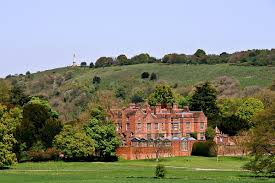
Chequers is not just a country house; it is the official residence of the Prime Minister of the United Kingdom, located in Buckinghamshire. Its significance extends beyond mere architecture, serving as a venue for state meetings, retreats, and policy discussions. Understanding the location and historical relevance of Chequers offers insight into its role in the British political landscape.
Location and Historical Background
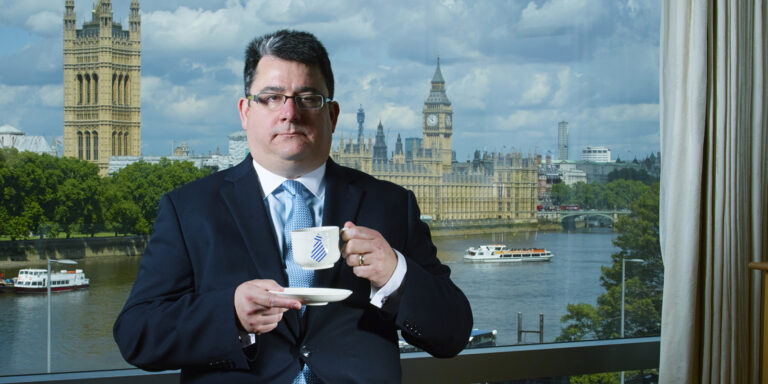
Chequers is situated near the village of Ellesborough, approximately 40 miles northwest of London. Nestled within a vast estate of 1,500 acres, the residence is surrounded by beautiful gardens and natural greenery, providing a stark contrast to the bustle of London and the Houses of Parliament.
The property has a rich history, dating back to the 16th century. Acquired by the government in 1921, it has since served as the Prime Minister’s country residence, especially during times of crisis or important discussions requiring seclusion. With its elegance and tranquillity, Chequers is often viewed as a retreat where leaders can think strategically away from the pressures of their office.
Recent Events and Significance
In recent years, Chequers has played host to numerous significant events. Prime Ministers have held crucial discussions with other world leaders on pressing issues such as climate change, trade negotiations, and national security. For instance, in 2020, UK Prime Minister Boris Johnson used Chequers as a setting for high-stakes meetings on Brexit negotiations, underlining its importance in shaping the country’s future.
The residence also serves as a backdrop for social gatherings and informal meetings with stakeholders, allowing leaders to foster relationships in a more relaxed environment. This mixture of formal and informal settings creates an ideal atmosphere for diplomacy.
Conclusion and Future Relevance
As the UK continues to navigate various global challenges, the significance of Chequers may only grow. Its role as a diplomatic venue will likely remain central to future governmental discussions. The unique atmosphere it provides allows for deeper conversations and decisions that could impact both domestic and international policies.
For many, Chequers represents more than just a residence; it symbolises the continuity and tradition of British governance. The future of this estate will be shaped by the leaders who choose to utilise its resources as they strive to address the complexities of modern governance.