Introduction
Burkina Faso, a landlocked country in West Africa, has recently been in the spotlight due to its socio-political turbulence and security challenges. With an intricate history involving colonization and post-independence struggles, the country are facing a crucial moment that could shape its future significantly. Understanding the current events in Burkina Faso is vital for grasping the broader implications for stability in the region and the international community’s involvement in West African affairs.
Current Situation
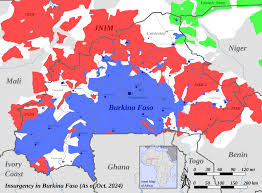
As of late 2023, Burkina Faso has experienced significant political unrest, particularly following the military coup in January 2022 that ousted the previous government. Both internal and external factors contribute to the current instability, including economic challenges, youth unemployment, and regional security threats posed by extremist groups affiliated with al-Qaeda and ISIS.
Recently, the government announced a state of emergency in several regions plagued by violence. This decision comes in response to a surge in attacks perpetrated by Islamist militants that has led to the deaths of hundreds and the displacement of thousands of civilians. Non-governmental organizations (NGOs) have raised alarms regarding the humanitarian crises resulting from these conflicts, citing food insecurity and lack of access to education for the country’s youth.
Responses and Initiatives
In response to the deteriorating security situation, the transitional government has sought international assistance. Several countries and organisations, including France and the Economic Community of West African States (ECOWAS), have offered support, but the effectiveness of these interventions remains under scrutiny. The government has also planned initiatives aimed at improving local governance and economic stability to combat the root causes of extremism.
Conclusion
The state of affairs in Burkina Faso is a critical focal point for both regional stability and international relations in West Africa. Observers are left questioning the sustainability of the current government’s strategies: will they succeed in curtailing violence and restoring peace? The persistent threats faced by the population demand urgent attention, not only to safeguard human rights but also to create a foundation for lasting development. The situation in Burkina Faso exemplifies the complex mix of governance, security, and humanitarian concerns, making it a pivotal area for both regional policymakers and global watchers seeking to foster stability in West Africa.