Introduction
The situation of asylum seekers in the UK has become increasingly critical as the government seeks to tackle rising numbers and improve processing times. Among the various facilities accommodating these individuals, Cameron Barracks in Scotland has emerged as a focal point, drawing attention from both humanitarian advocates and political commentators. The importance of this topic has been amplified by recent developments in immigration policy and public sentiment towards refugees.
Details About Cameron Barracks
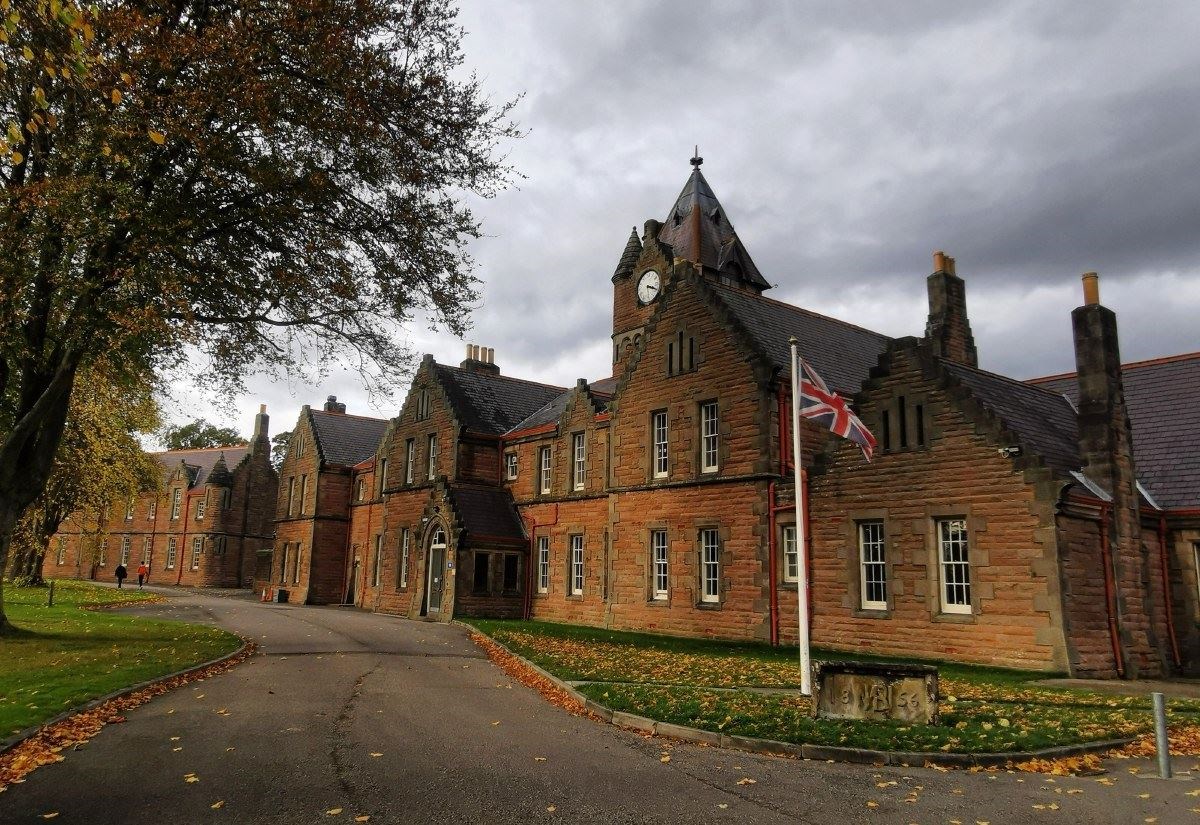
Cameron Barracks, located in Inverness, has been repurposed to provide temporary accommodation for asylum seekers as part of the UK government’s response to the ongoing immigration crisis. The facility is designed to house individuals while they await the processing of their asylum claims. Recent reports indicate that the barracks can accommodate hundreds of people at a time, providing essential shelter and support services.
Recent Events
In September 2023, the Home Office confirmed that Cameron Barracks would remain open as a reception centre for asylum seekers, following a significant increase in the number of individuals arriving in the UK seeking refuge. A spokesperson noted that the barracks offer ‘safe and secure’ housing, which is particularly important as many of the residents are vulnerable and in need of immediate assistance.
Despite the government’s assurances, critics have raised concerns about the conditions within the barracks and the adequacy of the services provided. Local advocacy groups have been vocal about ensuring that the health care, food, and support available to asylum seekers are up to standard, arguing that the speed of processing asylum applications must also improve.
Community Response
The response from the local community in Inverness has been mixed. While many residents have rallied to provide support and have expressed solidarity with these vulnerable groups, there is also a segment of the population that has raised concerns regarding the influx of asylum seekers, emphasising the need for adequate resources and services. This divide highlights the complexity of public opinion surrounding immigration in the UK.
Conclusion
The situation at Cameron Barracks represents a microcosm of the broader issues facing asylum seekers across the UK. As the government continues to grapple with immigration policy and public sentiment, the implications of housing asylum seekers in military facilities may pose long-term challenges. For readers, understanding the intricacies of these developments is crucial as policies evolve and more discussions arise about the treatment and processing of those seeking refuge in the UK. As the situation at Cameron Barracks unfolds, it will serve as a significant case study in the ongoing conversation about immigration reform.