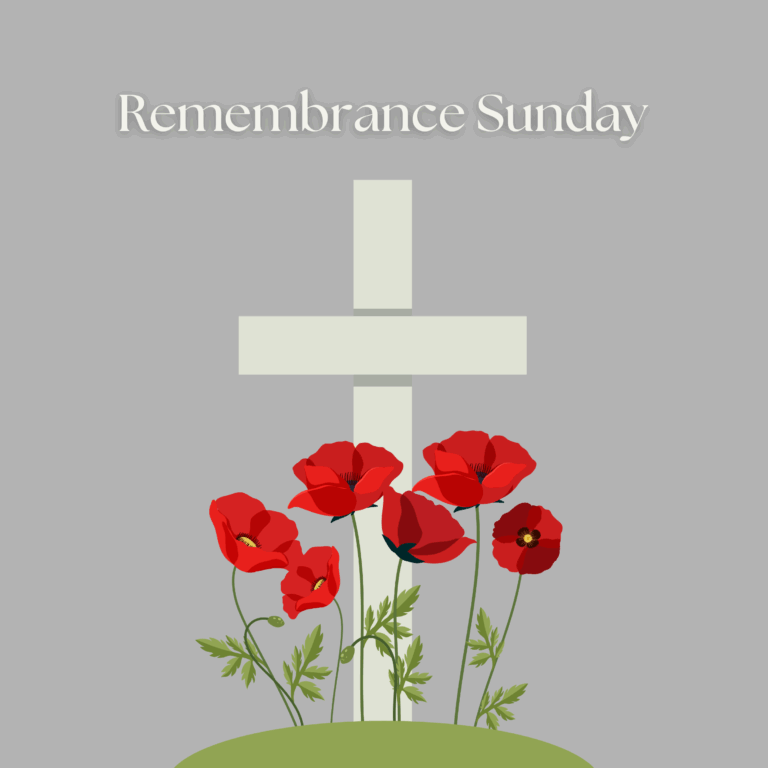
Introduction to Armistice Day
Armistice Day, observed on 11th November each year, is a significant date in the United Kingdom and across the Commonwealth as it commemorates the armistice that ended World War I in 1918. The day serves as a poignant reminder of the sacrifices made by soldiers during the war and those lost in subsequent conflicts. It plays a crucial role in fostering national unity and remembrance.
The Historical Context
On the 11th hour of the 11th day of the 11th month in 1918, the guns on the Western Front fell silent, marking the end of World War I, which had caused unprecedented devastation across Europe and beyond. The cessation of hostilities was commemorated in 1919, making it a yearly tradition to remember the fallen. Over the years, it has evolved to acknowledge the sacrifices of all servicemen and women who have served in conflicts since then.
Events and Memorials
Armistice Day is marked by various ceremonies and events throughout the UK. The most notable observance is the Remembrance Day service at the Cenotaph in Whitehall, London, attended by members of the royal family, veterans, and representatives from the Commonwealth. The two-minute silence observed at 11 am is a heartfelt tribute to the memory of those who gave their lives for their country.
Local towns and cities also hold their own services, where wreaths are laid at war memorials to honour the local heroes. Schools often participate in educational activities to instil the values of peace and remembrance in younger generations. Communities come together, reflecting on the profound impact of war and the importance of striving for lasting peace.
The Relevance of Remembrance
In today’s world, Armistice Day holds significant relevance as it encourages reflection on the regional and global conflicts that continue to affect modern societies. It prompts discussions about peace initiatives and the responsibilities of current generations to prevent the atrocities of the past from repeating. The importance of unity, respect, and gratitude towards those who served is underscored, reminding us of the honour we owe to our veterans.
Conclusion
Ultimately, Armistice Day is more than just a historical commemoration; it serves as a reminder of the impacts of war on humanity and the collective responsibility to advocate for peace. As we observe this day annually, it is an opportunity to educate ourselves and future generations about the past, ensuring that we continue to honour those who sacrificed their lives while fostering an enduring commitment to peace and understanding.