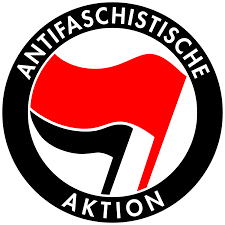
Introduction to Antifa
Antifa, short for anti-fascist, refers to a loosely affiliated collection of groups and individuals who oppose far-right ideologies, including fascism and white supremacy. With roots tracing back to the 1920s in Europe, Antifa has gained significant attention in recent years amid global social and political upheaval. The relevance of understanding Antifa today is heightened by the multiplicity of protests and movements advocating for social justice and human rights, especially following the Black Lives Matter protests and the rise of far-right groups around the world.
Recent Events Involving Antifa
In the last few years, Antifa has been at the forefront of many public demonstrations, particularly in the United States. Notably, during the 2020 George Floyd protests, there were widespread accusations from various political figures that Antifa members were instigating violence. The FBI and Department of Homeland Security have classified some actions associated with Antifa as domestic terrorism, contributing to the ongoing debate about the group’s methods and goals.
As of mid-2023, Antifa activities have been observed in various cities; for instance, in Portland and Seattle, where members have engaged in counter-protests against far-right rallies. These confrontations often lead to violent clashes, drawing both media coverage and public scrutiny. In recent Oregon-based events, law enforcement agencies have ramped up their responses to Antifa-linked protests, citing public safety concerns while also facing criticism for what some deem excessive force.
The Debate Surrounding Antifa
The debate over Antifa is particularly polarized. Supporters argue that the group is essential in the fight against rising fascism and white supremacy, promoting direct action as necessary in the face of what they view as a moral imperative. Critics, however, contend that Antifa’s tactics can be counterproductive, creating further division and violence rather than constructive dialogue.
In addition to the violence concerns, legal challenges have also been mounted against perceived Antifa members. In California, for example, a lawsuit has been filed against individuals believed to be involved in violent protests, exposing the complexities within the legal landscape pertaining to free speech and assembly rights.
Conclusion: Significance for Readers
As Antifa continues to be a prominent force in modern sociopolitical discourse, understanding its motivations, methods, and implications is crucial for anyone engaged in contemporary issues arising from social movements. As discussions evolve regarding extremism and civil liberties, the perspectives surrounding Antifa may shape responses to similar movements in the future. Readers are encouraged to critically assess the narratives reinforced by media and politicians regarding Antifa, especially as such narratives play a pivotal role in shaping public opinion and policy.