Introduction
The A40 road in the United Kingdom has long been a crucial artery for both local and long-distance traffic. Connecting London with Wales, it plays a significant role in the daily commutes of thousands and is vital for freight transport. Understanding traffic conditions on the A40 is essential for residents, commuters, and travellers alike, especially with the increasing volume of vehicles and ongoing infrastructure developments.
Current Traffic Conditions
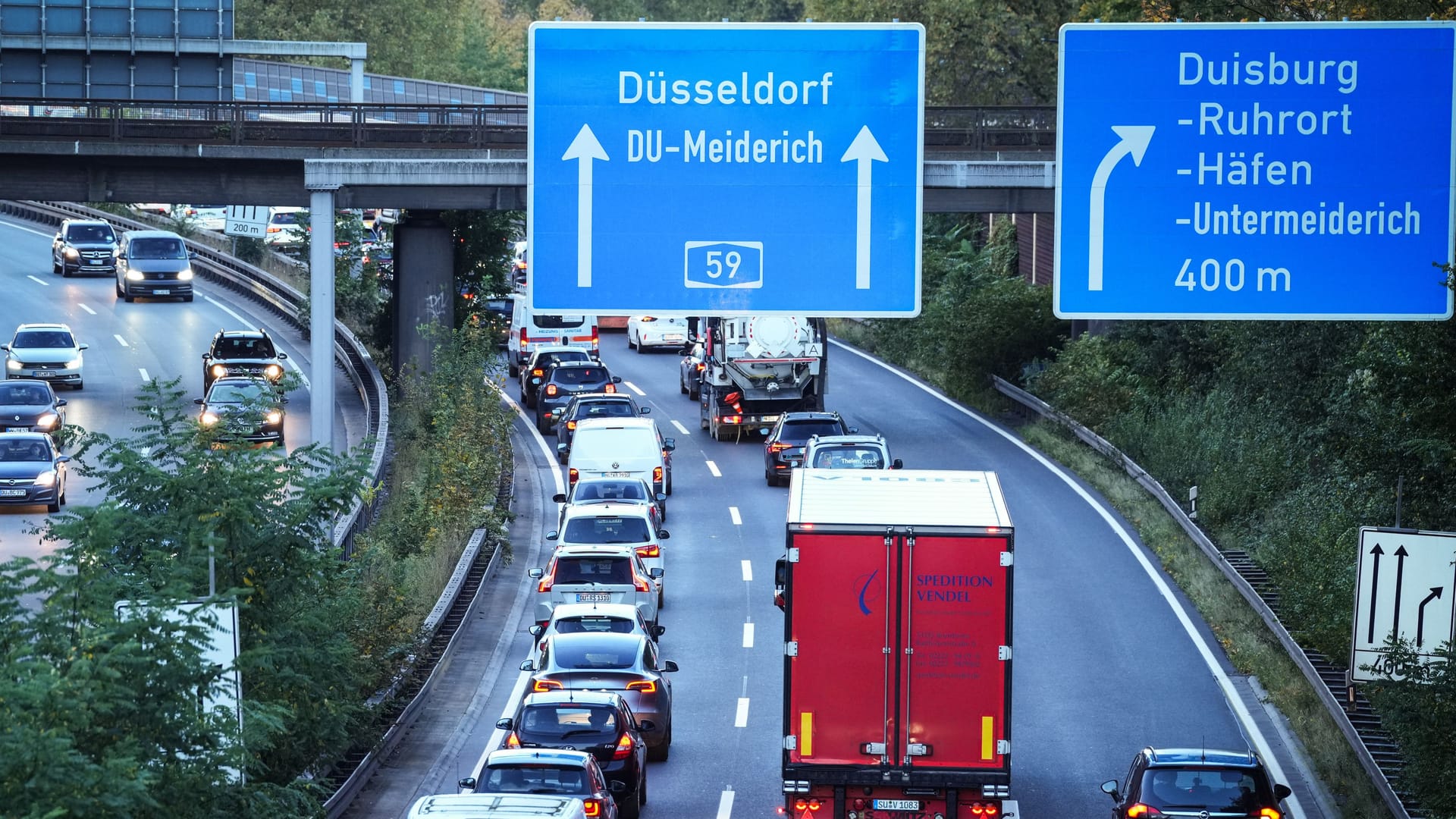
As of October 2023, traffic on the A40 has been experiencing notable fluctuations primarily due to ongoing roadworks and seasonal travel patterns. Recent reports indicate significant congestion particularly around the areas of West London as well as the approaches to the M40 motorway. Commuters have reported delays averaging between 20 to 45 minutes during peak hours. Operators such as Google Maps and local traffic reporting services have been providing real-time updates to help manage expected delays.
In addition, the AA Traffic News reports that the recent bout of rainy weather has contributed to slower traffic flow, as drivers exercise caution on wet roads. Authorities have urged drivers to plan their journeys ahead and factor in additional travel time where necessary.
Infrastructure Developments
In an effort to alleviate congestion on the A40, local councils have been investing in infrastructure improvements. Plans to upgrade key junctions and enhance public transportation options are underway, including the expansion of bus lanes and cycle paths. A recent funding boost was approved, amounting to £5 million, aimed at reducing bottlenecks particularly during rush hours.
The introduction of intelligent traffic management systems is also on the horizon, which promises to optimise traffic flow by dynamically adjusting traffic signals based on real-time conditions — a move that many experts believe could significantly improve travel times.
Future Outlook
Looking ahead, experts forecast that the ongoing efforts to enhance the A40 infrastructure combined with digital traffic management solutions could improve traffic conditions by up to 30% by the end of 2024. However, users are encouraged to remain vigilant about potential disruptions relating to construction works and fluctuating weather conditions throughout the autumn and winter months.
Conclusion
For anyone who relies on the A40, staying informed about traffic updates and ongoing developments is vital. As infrastructure enhancements continue, there is hope for a more efficient travel experience. Regular updates from traffic management services are essential to avoid delays and ensure smoother journeys along this busy route, making it a significant area of interest for commuters and long-distance travellers alike.