“If we want to get the high-quality ube, I think we have to be on-site, because you have to feel, you have to see, you have to test,” said Jeffrey Cesari, who is launching an ube latte mix named Ube Signature Paris.
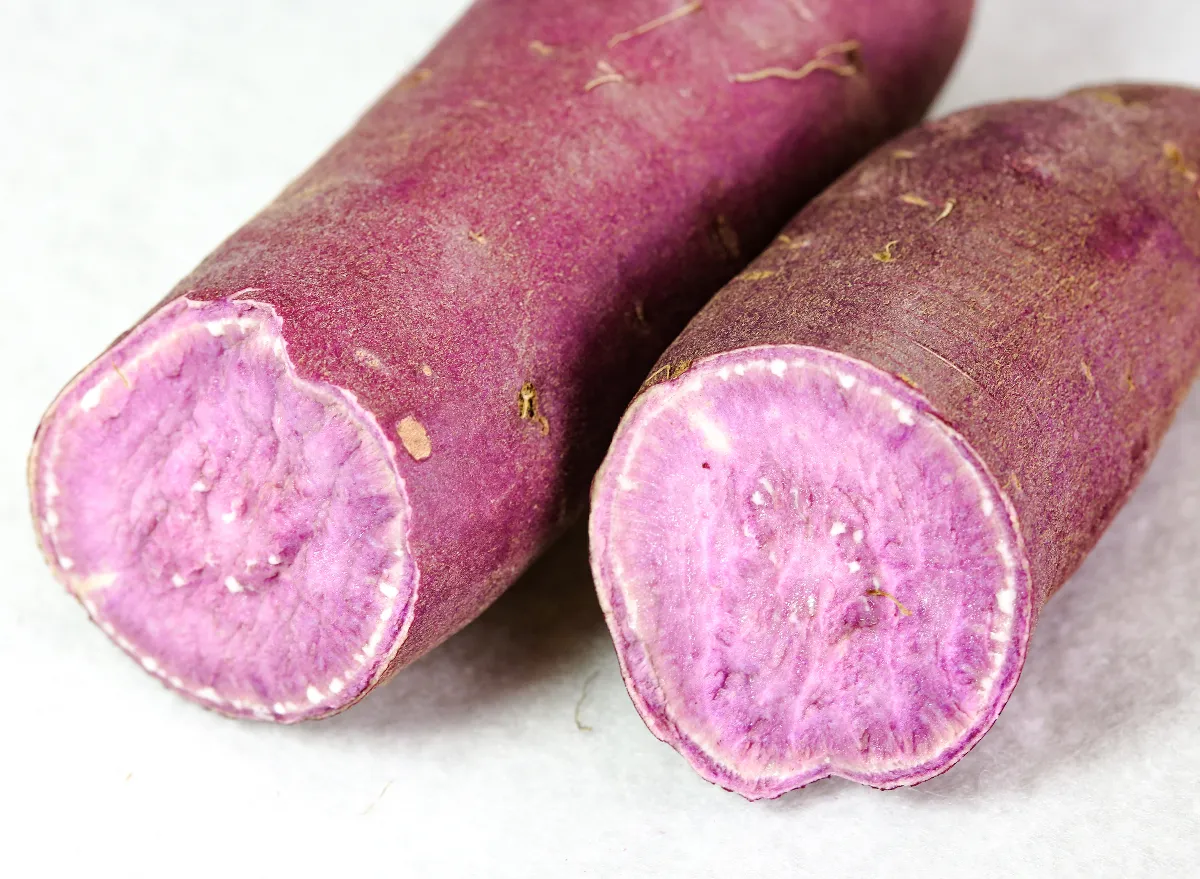
Ube, a purple yam native to the Philippines, has rapidly emerged as a global food trend, surpassing matcha in popularity within just four years. With its striking color and unique flavor profile, ube has found its way onto restaurant menus across the United States, growing by 230% since 2022.
Starbucks joined the ube craze by introducing an iced ube coconut macchiato to its menu in March 2026. Rhea Topacio noted, “There’s a surge of ube. People are always looking for something new. Especially in the times right now, everything is on social media.” This reflects how social media plays a vital role in shaping food trends today.
Despite this surge in popularity, challenges remain for Filipino farmers. Ube production in the Philippines declined by 6.7% in 2025 compared to the previous year. The exact reasons for this decline are not fully clear. Rhea Topacio expressed concern about market dynamics: “There’s a missing link between the farmers and the market.” Currently, traders seem to benefit most from rising prices.
As demand increases globally, raw ube prices have risen approximately 38% compared to two years ago. In 2025 alone, the Philippines exported nearly 1.7 million kilograms of ube—a 20% increase from 2024—highlighting the growing international interest. Yet only 27% of U.S. consumers know what ube is today, up from just 15% five years ago.
As the global supply chain adapts to meet rising demand for this vibrant ingredient, it remains crucial for stakeholders to ensure fair practices that benefit farmers while satisfying consumers’ appetites for Filipino cuisine.