Introduction
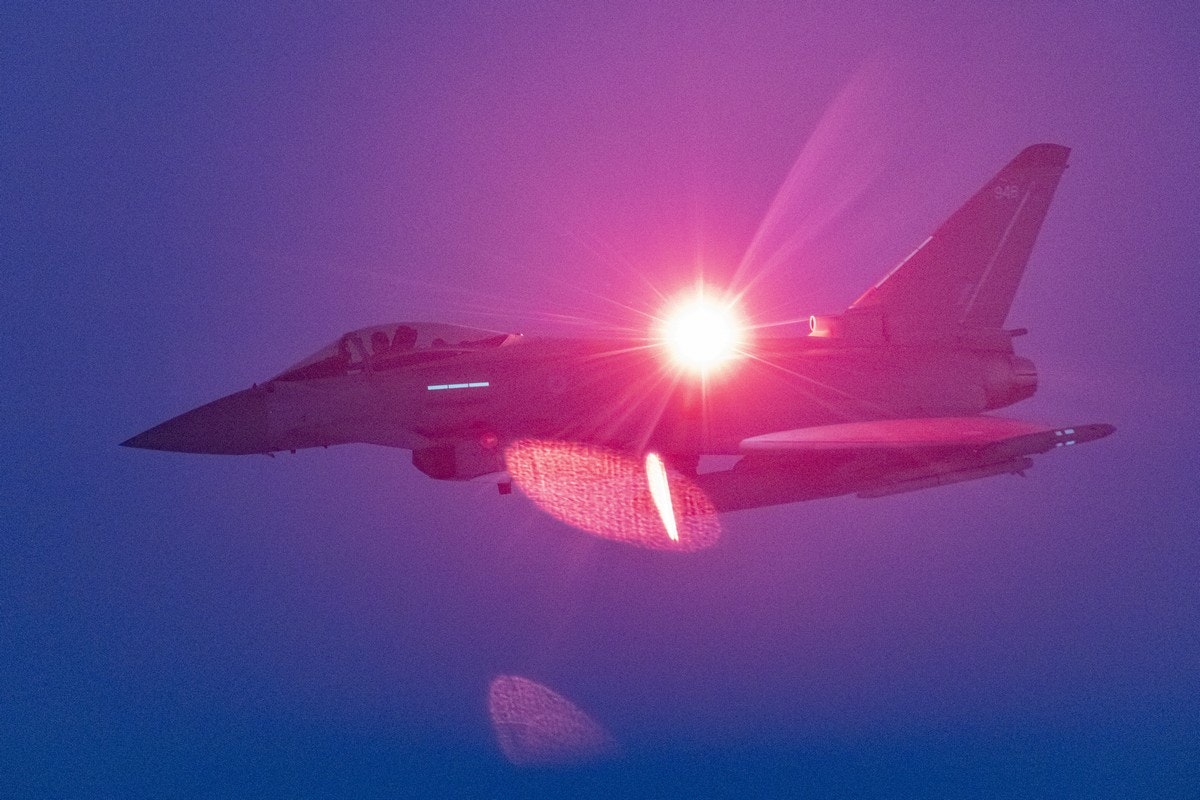
Today, Typhoon jets were scrambled by the Royal Air Force (RAF) in response to an urgent airspace incident. This event highlights the ongoing need for national security measures and rapid response capabilities amid rising tensions in various parts of the world. The quick deployment of these fast jets serves as a reminder of the RAF’s preparedness to handle unexpected aerial threats.
The Incident
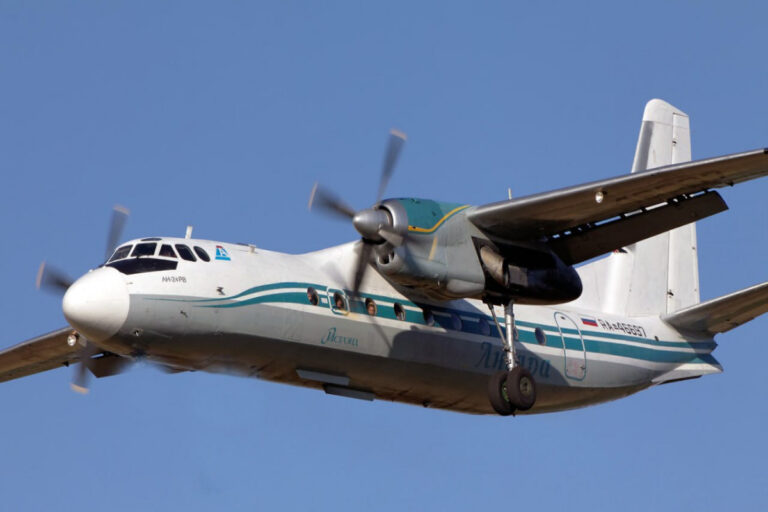
According to reports from the RAF, the jets were launched from bases in the UK following alerts regarding an unidentified aircraft that entered controlled airspace. The incident occurred mid-morning and involved a civilian aircraft that had reportedly lost communications. Authorities were quick to respond, indicating the seriousness with which airspace violations are treated.
The Typhoon jets, known for their speed and agility, intercepted the aircraft in a matter of minutes. A spokesperson for the RAF stated that the pilots engaged in standard procedures to assess the situation, ensuring the safety of both the airspace and the aircraft in question. The incident concluded safely, and the unidentified aircraft later reestablished communication with air traffic control.
Military and Civilian Response
This incident underscores the importance of having robust military capabilities ready to respond to potential threats. The RAF’s exercise of rapid deployment not only protects national interests but also reassures the public of their safety in air travel.
Moreover, incidents like these raise questions about the effectiveness of communication protocols between civilian aircraft and air traffic control. Authorities are expected to review the incident for lessons learned and consider if further measures are required to enhance communication links with pilots, especially during critical situations.
Conclusion
As geopolitical tensions remain high globally, incidents that necessitate the scrambling of Typhoon jets may become more frequent. This occurrence reflects not only the RAF’s commitment to safeguarding UK airspace but also the inherent vulnerabilities within aerial operations. Observers are encouraged to stay informed regarding airspace safety protocols and the rapid response readiness of military forces. Moving forward, strengthening communication frameworks for civilian pilots will be crucial in preventing such incidents and maintaining the safety of air travel.