“Buying movies and shows digitally isn’t the same as owning them,” a media expert recently noted, highlighting a growing concern among consumers in today’s streaming-dominated landscape.
As streaming services continue to expand, offering more content than users can realistically watch, the concept of ownership is being redefined. With platforms like Netflix and Hulu leading the charge, many viewers are opting for convenience over the traditional practice of building a home video collection.
However, the rise of digital media has sparked a debate about what it truly means to own a film or TV show. “True ownership requires buying physical media,” the expert emphasized, pointing out that owning a Blu-ray or DVD guarantees access to the content, unlike digital licenses that can be revoked.
Physical media not only ensures access but often provides superior audio and video quality. For instance, a 4K Blu-ray can deliver a bitrate of 47.16 Mbps, compared to the average 15 Mbps of a 4K stream. This difference is significant for audiophiles and cinephiles who appreciate high-quality viewing experiences.
In 2026, major retailers like Walmart and Target continue to stock physical media, proving that there is still a demand for tangible copies of beloved shows and movies. Companies like Sony and Panasonic are even manufacturing Blu-ray players, indicating that the market for physical media remains robust.
For those who wish to enjoy the flexibility of digital ownership while still maintaining a physical collection, ripping discs has become a popular solution. “You can rip your discs to enjoy the flexibility of digital ownership,” the expert explained. This process allows users to create a private streaming service, although it requires a DVD or Blu-ray player and specific software.
Despite the advantages of physical media, there are legal considerations to keep in mind. Bypassing DRM to make backup copies of discs is illegal in the U.S., which complicates the conversation around ownership and access.
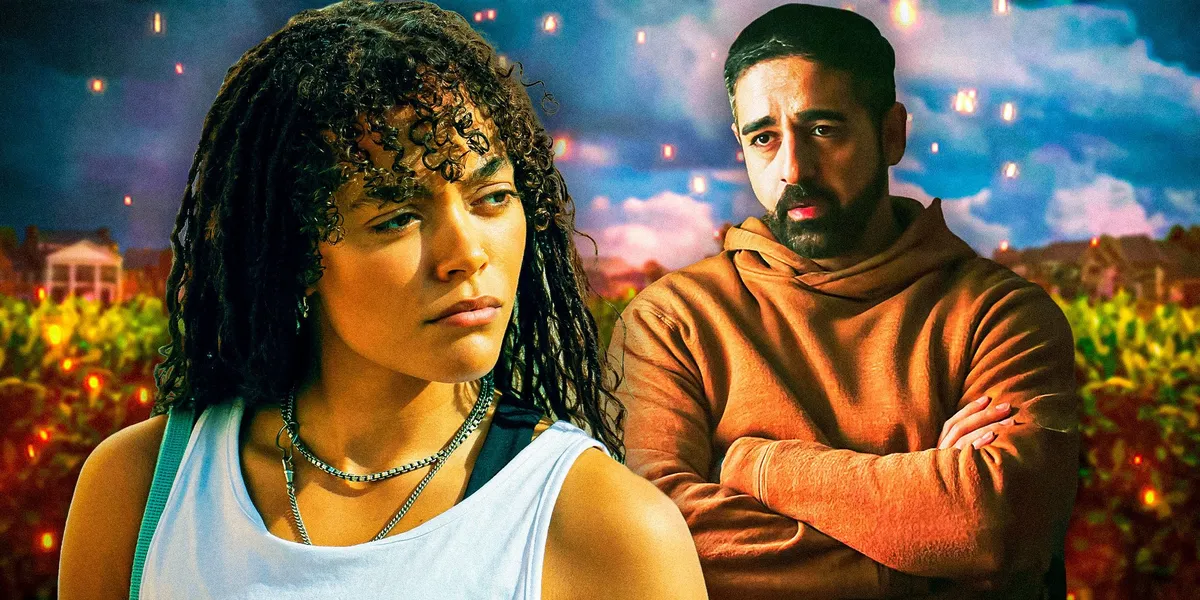
As the industry evolves, new shows like Dan Fogelman’s sci-fi thriller series “Paradise,” created in 2025, are contributing to the rich tapestry of content available. Yet, the question remains: in a world where streaming reigns supreme, how will the concept of ownership continue to evolve?
For now, viewers are left to navigate the complexities of digital licenses versus physical ownership, a conversation that will undoubtedly shape the future of how we consume TV shows and movies.