The Importance of Understanding Turkey Earthquakes
Turkey is located in a seismically active region, making it prone to earthquakes. These natural disasters can lead to devastating consequences, loss of life, and severe economic impacts. Understanding the recent earthquakes and their aftermath provides critical insights into the challenges faced by the affected communities and the ongoing resilience efforts.
Recent Earthquake Events
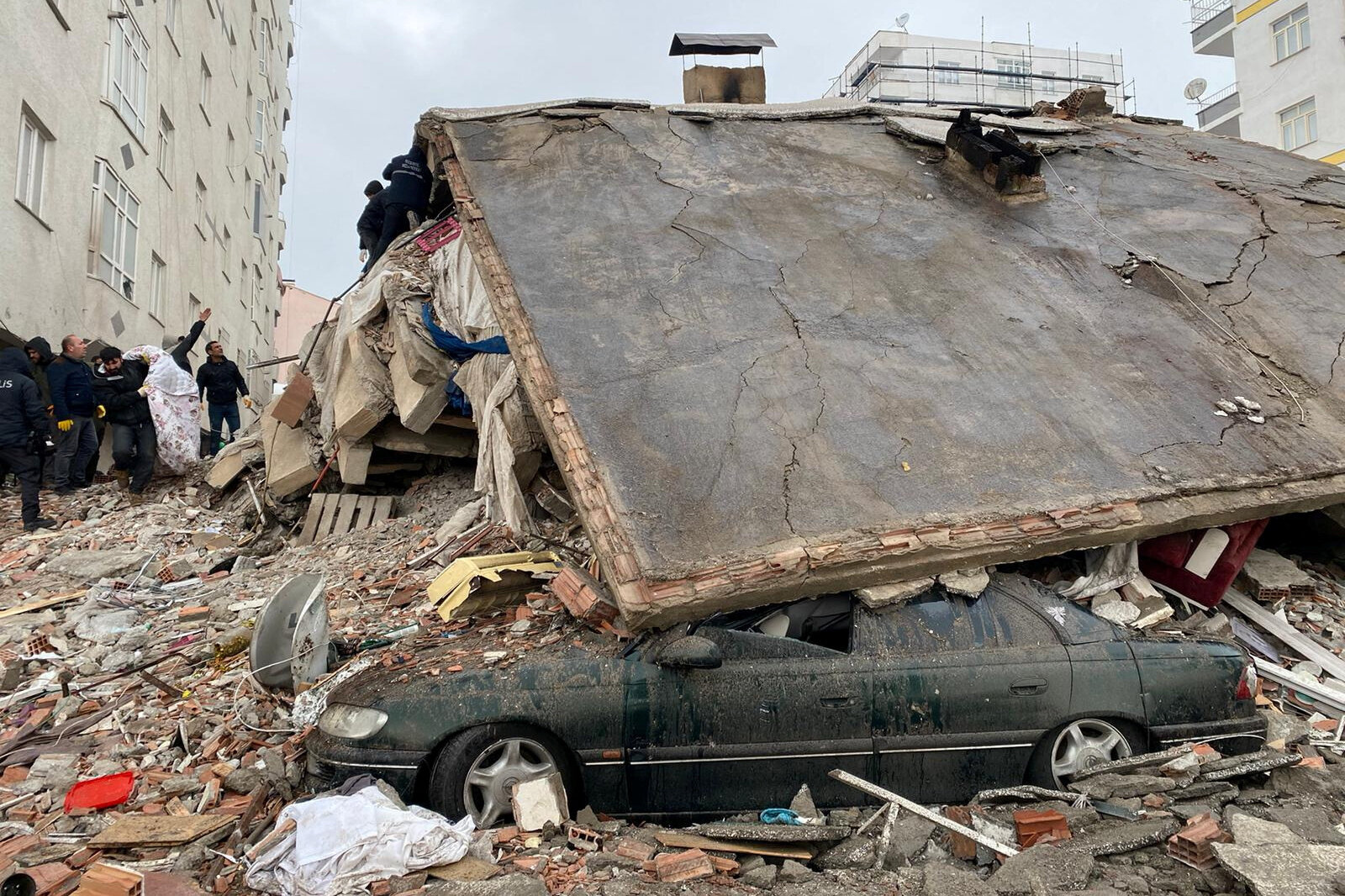
In the past year, Turkey has experienced several significant earthquakes, the most notable being the devastating earthquakes that struck the southeastern region of the country in early February 2023. These quakes, measuring 7.8 and 7.5 on the Richter scale, resulted in widespread destruction, affecting tens of thousands of residences and displacing millions.
According to Turkey’s disaster agency, the earthquakes caused damage to over 300,000 structures across several provinces, with the hardest-hit areas including Hatay, Gaziantep, and Kahramanmaraş. The immediate response involved search and rescue operations, with teams from various countries arriving to assist local agencies. After the initial shock, a series of aftershocks, including one measuring 6.4, continued to raise concerns about further structural damages and potential casualties.
Humanitarian Response and Recovery Efforts
The Turkish government, alongside international aid organisations, has mobilised extensive resources for relief efforts. Temporary shelters have been established, and humanitarian aid including food, water, and medical supplies is being distributed to the affected populations. The scale of the crisis has prompted discussions about the need for improved infrastructure and building regulations to mitigate such risks in the future.
In addition to immediate relief, attention has turned to long-term recovery strategies. Urban planning officials are collaborating with engineers to assess the damage and develop better construction practices that adhere to seismic safety standards, ensuring that future buildings are more resilient against earthquakes.
Conclusion: Looking Ahead
The earthquakes in Turkey serve as a stark reminder of the unpredictability of natural disasters and the ongoing need for preparedness and resilience in vulnerable regions. Experts stress the importance of strengthening infrastructure and engaging in community preparedness to reduce future risks. As Turkey continues to recover, it presents an opportunity for authorities and communities to learn from the recent events, ultimately aiming to create a safer environment for residents. With continuous monitoring and improvement of safety measures, Turkey may enhance its capability to better respond to and recover from such seismic activities in the future.



