Introduction
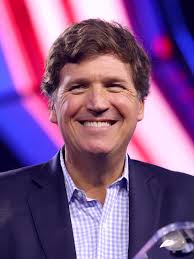
Tucker Carlson, a prominent television presenter and political commentator, has become an influential and polarising figure in American media. Known for his provocative style and contentious viewpoints, Carlson has played a significant role in shaping political discourse, particularly among conservative audiences. His assertions on issues ranging from immigration to free speech have sparked discussions across the nation, making him a subject of both admiration and criticism.
Recent Developments
As of October 2023, Carlson remains a central figure in the media landscape after his departure from Fox News earlier in the year. His exit marked a significant change in the conservative media space, leading to an upsurge of interest in his upcoming projects. Carlson is reportedly preparing to launch a new streaming service that will allow him to disseminate his views without the constraints typically associated with traditional television. This pivot highlights the shifting dynamics of media consumption and the increasing importance of independent platforms.
In the months following his departure, Carlson has also been active on social media, where he has continued to engage with his audience, addressing a range of topics that resonate with his followers, including criticism of mainstream media and various government policies. His approach has drawn both support from devoted fans and ire from those opposed to his views, exemplifying the divided landscape of modern political commentary.
Impact on Political Discourse
Carlson’s influence extends beyond mere media commentary; he is often credited with shaping the opinions of a significant segment of the American populace. His show on Fox News consistently attracted millions of viewers, making it one of the network’s most-watched programmes. By tackling polarising issues and featuring controversial guests, Carlson crafted a platform that resonated with many conservative viewers who feel disenfranchised by mainstream narratives.
The debates stirred by Carlson often reflect broader societal tensions, particularly regarding free speech, political correctness, and cultural identity. His critiques of established norms challenge viewers to reconsider traditional viewpoints, effectively mobilising support for a more populist agenda within American conservatism.
Conclusion
Looking ahead, Tucker Carlson’s departure from Fox News may signify a new chapter in the evolution of media and political engagement in the United States. His upcoming streaming venture is poised to be a significant player in the media space, particularly among conservative audiences seeking alternatives to traditional cable news. Regardless of one’s perspective on his views, Carlson’s ongoing influence highlights the importance of diverse voices in political discourse and the evolving role of media in shaping public opinion. For readers, understanding Carlson’s place in contemporary culture is crucial to navigating the increasingly complex landscape of political communication.