Introduction
Donald Trump, the 45th President of the United States, will turn 77 years old in June 2023. His age has sparked discussions regarding his fitness for office, political motivations, and the impact on the upcoming elections. As voters consider candidates for 2024, understanding the significance of Trump’s age in relation to his policies and public perception is essential.
Trump’s Age in Context
Trump was born on June 14, 1946, during a post-war America marked by economic growth and social change. His age puts him in the category of older candidates, which has been a subject of scrutiny in recent political discussions. As he marches towards the 2024 presidential elections, voters are debating whether his age brings wisdom and experience or concerns about his ability to lead effectively.
Recent Events and Trump’s Stance
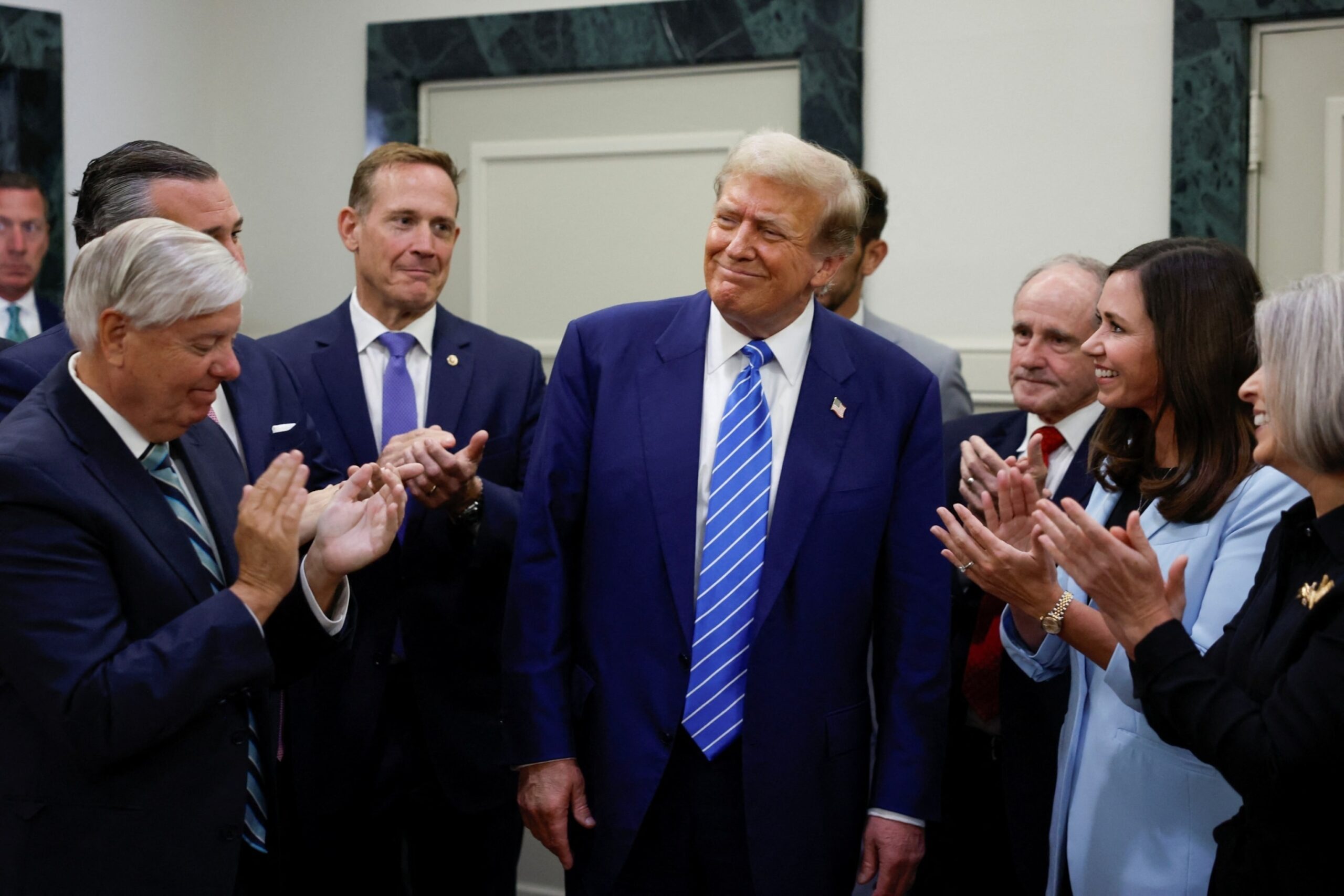
In recent months, Trump has maintained a robust presence in the political arena. His appearances across various states and rallies demonstrate his attempt to connect with voters while promoting his views and policies. Despite discussions surrounding his age, Trump has portrayed vitality and endurance, tackling issues such as immigration, the economy, and foreign policy.
Surveys indicate mixed reactions among the electorate regarding his age. A June 2023 poll revealed that while about 60% of Republican voters still support him, 30% express concern over his age and health. Critics also point to recent speeches where they argue he displayed moments of forgetfulness or incoherence, thus raising questions about mental acuity.
Looking Ahead
As Trump continues his campaign, it’s essential for voters to assess how his age relates to the political environment. Historical precedents show that age can impact presidential performance; for instance, Joe Biden, currently the oldest serving president, often faces similar scrutiny. The perception of Donald Trump’s age will undoubtedly influence his opponents’ strategies, potentially framing campaigns around themes of vigor versus experience.
Conclusion
In conclusion, Trump’s age represents more than just a number; it embodies the ongoing debate about leadership and effectiveness in politics. As the 2024 elections approach, voters will need to weigh Trump’s past accomplishments against the valid concerns surrounding his age. Observers are keenly interested in how this element might shift the political landscape and inform the choices Americans will make at the ballot box. Trump’s age, coupled with his approach to governance, could prove pivotal in determining the course of his political future.