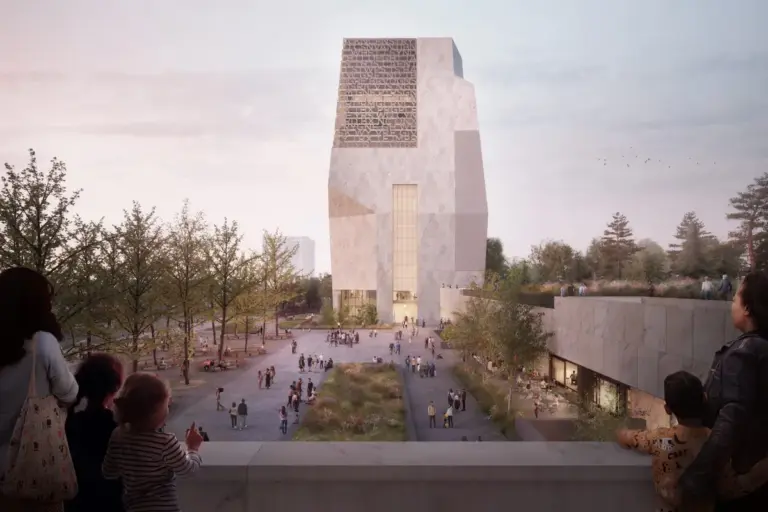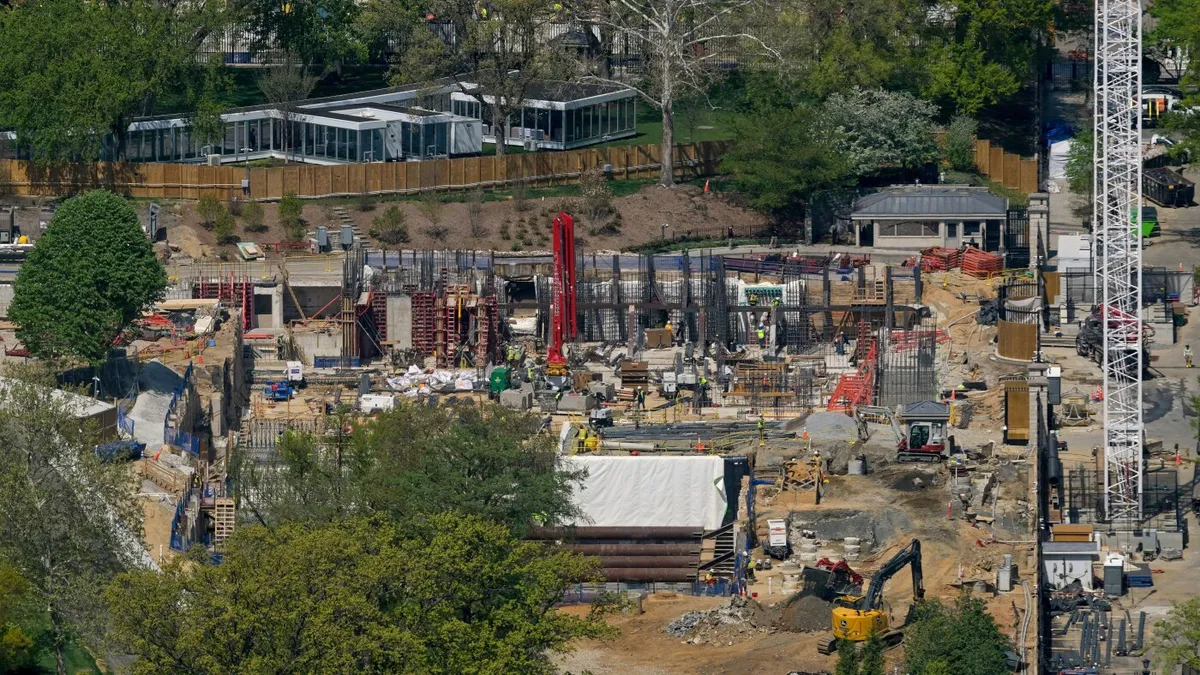
In a significant development for the Trump White House ballroom construction, a recent ruling from the U.S. Court of Appeals for the District of Columbia Circuit has allowed work to continue until April 17, 2026. This decision comes after a temporary pause was ordered by U.S. District Judge Richard Leon, who expressed concerns regarding the lack of congressional approval for the project.
The ballroom, which is expected to seat 1,000 guests and cost at least $300 million, has been a top priority for the Trump administration since taking office. The project includes not only the ballroom itself but also essential facilities such as bomb shelters, military installations, and a medical facility.
In February, the Commission of Fine Arts, comprised mostly of Trump appointees, approved the construction plans, emphasizing the administration’s commitment to moving forward with the project. However, preservationist groups, represented by the National Trust for Historic Preservation, have raised alarms about the potential impact on the historic significance of the White House.
Judge Leon’s ruling to pause construction highlighted the likelihood that the preservationists could succeed in their legal claims. In response, the Trump administration argued that halting the project could pose national security risks, stating, “The military is building a big complex under the ballroom.” This assertion underscores the administration’s belief in the necessity of the project.
As the appeals court ruled 2-1 in favor of allowing construction to continue temporarily, the Trump administration is now seeking to extend the suspension of the lower court’s order by an additional two weeks. National Park Service lawyers have emphasized, “Time is of the essence!” as they work to navigate the legal complexities surrounding the project.
Details remain unconfirmed regarding the necessity of certain aspects of the ballroom’s development to ensure the safety and security of the underground national security upgrades. The ongoing legal battle reflects the tension between the administration’s goals and the preservation of the White House’s historic integrity.
As construction progresses, the implications of this project extend beyond mere aesthetics. It represents a broader conversation about the balance between modernization and historical preservation in one of the nation’s most iconic buildings. The ballroom’s expected completion date is projected for the summer of 2028, marking a significant milestone in the Trump administration’s legacy.