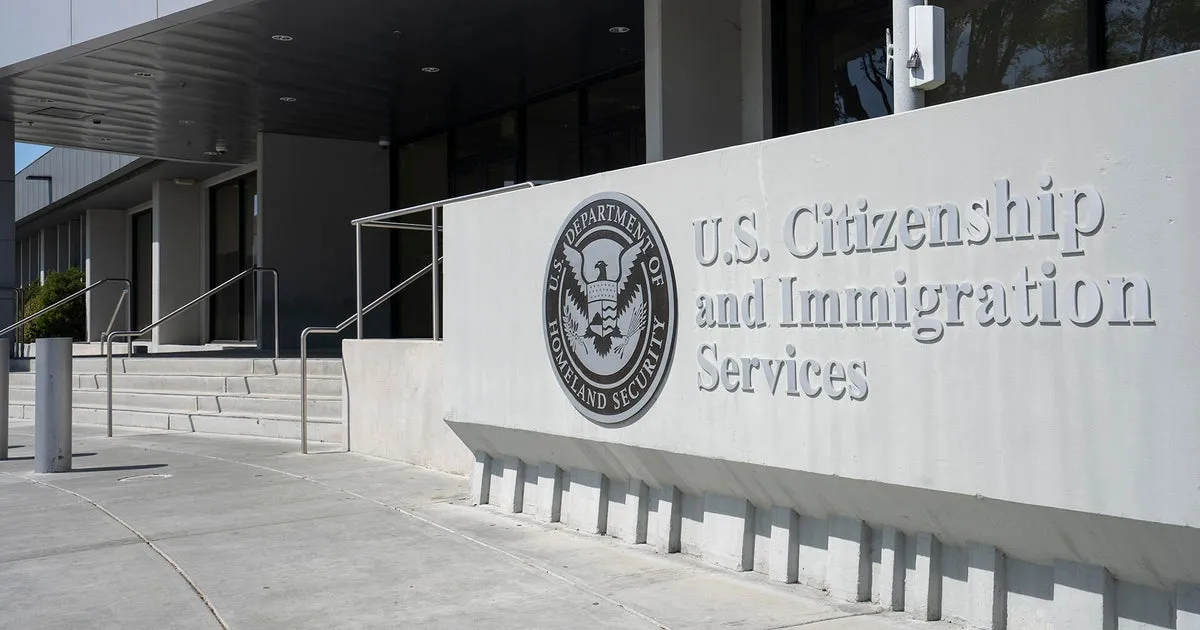
In a significant shift in immigration policy, the Trump administration has mandated enhanced security checks for applicants. This new directive pauses pending applications and requires resubmission for FBI background checks. The changes took effect on April 27, 2026, impacting the naturalization process and green card applications.
Before this development, USCIS officers were instructed to halt processing of applications that had not undergone these new security measures. This decision stems from an executive order by President Trump, which directed the Justice Department to grant USCIS greater access to criminal history databases. As a result, USCIS now requires fingerprint-based screenings to ensure the safety of American citizens.
The enhanced checks are part of a broader immigration crackdown initiated by the Trump administration since early 2025. Zach Kahler from USCIS emphasized, “USCIS will always prioritize the safety of the American people,” highlighting the importance of these measures.
Currently, USCIS is in the process of implementing these new requirements while continuing to process existing applications. Kahler noted that “any delay in decision issuance should be brief and resolved shortly.” However, applicants might experience longer waiting times as their cases undergo additional scrutiny.
Trump stated that such measures aim to prevent foreign nationals with criminal histories from remaining in the U.S. illegally. He mentioned that these individuals could potentially violate U.S. laws, which further justifies the need for rigorous background checks.
As this situation unfolds, many applicants are left uncertain about how these changes will affect their cases. With 39 countries listed under a travel ban and 384 foreign-born Americans facing denaturalization, the implications of this policy are far-reaching.
The new rules signal a shift towards stricter immigration enforcement at a time when many are navigating complex processes to secure their status in the U.S. For those involved in green card applications or the naturalization process, understanding these changes is crucial as they prepare for potential delays and additional requirements.