Introduction
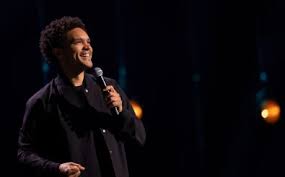
Trevor Noah, the South African comedian, political commentator, and former host of “The Daily Show,” has made significant strides in the world of entertainment and activism. His unique blend of humour and social commentary has not only garnered him a massive global following but has also piqued interest in discussions surrounding race, politics, and identity. With his recent end of tenure on “The Daily Show” marking a significant transition, Noah’s influence and future prospects continue to be of great relevance to fans and followers alike.
A Comedic Journey
Born on February 20, 1984, in Johannesburg, Noah’s early life was shaped by the complexities of apartheid South Africa. His mixed-race heritage provided both challenges and insights into societal dynamics that would later fuel his comedic voice. Noah began his career in entertainment as a stand-up comedian and rose to fame with a series of successful comedy tours and specials, notably “African American” and “Son of Patricia,” which were well received globally.
In 2015, Noah took over as host of “The Daily Show” from Jon Stewart, quickly making the show his own. His tenure was marked by incisive political commentary and an ability to connect with diverse audiences. He tackled pressing issues like racial inequality, immigration, and global politics, often infusing his unique perspective as an outsider looking in. Under his leadership, the show won numerous awards, including several Emmy Awards.
Philanthropic Efforts
Beyond his comedic prowess, Noah has also been heavily involved in philanthropy. In 2020, he launched the Trevor Noah Foundation, aimed at providing educational opportunities for young people in South Africa. His commitment to social causes, particularly in education and equality, resonates strongly with his audiences, further amplifying his impact beyond just entertainment.
What’s Next for Trevor Noah?
Following his exit from “The Daily Show” in December 2022, many are curious about Noah’s next steps. While he has hinted at taking a break from the fast-paced world of television, he continues to work on various projects, including potential films and more stand-up comedy specials. His passion for storytelling and social change suggests that whatever he chooses to pursue will keep him at the forefront of public discourse.
Conclusion
Trevor Noah’s journey from a young boy in apartheid South Africa to a global comedic icon illustrates the power of humour in championing social issues. His influence extends well beyond comedy, as he continues to inspire change and dialogue among his audiences worldwide. As fans eagerly await his next move, it is clear that Noah will remain a significant figure in both entertainment and social activism for years to come.