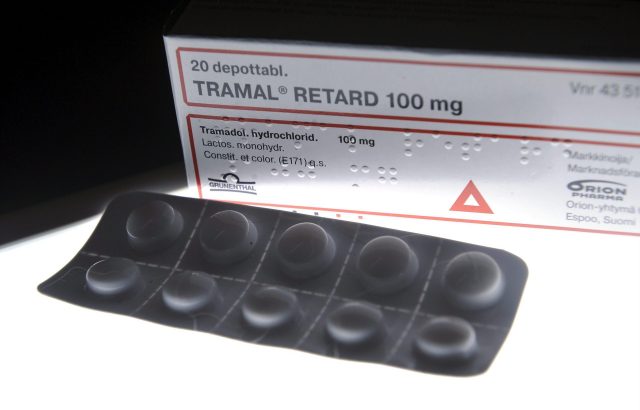
Introduction
Tramadol is a prescription medication widely used for the treatment of moderate to moderately severe pain. Due to its effectiveness and relative safety compared to traditional opioids, tramadol has gained popularity in both clinical and non-clinical settings. However, recent trends in its usage and concerns regarding prescription practices highlight the importance of understanding its effectiveness, risks, and regulatory status.
What is Tramadol?
Tramadol belongs to a class of medications known as opioid analgesics. It works by affecting the brain’s pain receptors, thus altering the perception of pain. Besides its pain-relieving properties, tramadol also has a lower potential for physical dependence compared to stronger opioids, making it a preferred choice for many healthcare providers.
Uses of Tramadol
Tramadol is often prescribed for various conditions that involve pain, including post-surgery recovery, chronic pain management for arthritis, and injury-related pain. It can be administered in multiple forms, including tablets, capsules, and extended-release formulations, allowing for tailored treatment plans for patients.
Recent Developments
In recent months, healthcare authorities have expressed concern about the rising incidences of tramadol misuse. According to statistics from the UK Office for National Statistics, the misuse of tramadol has contributed to an increase in drug-related deaths, especially among those with underlying health conditions or those who combine tramadol with other substances. In response, several healthcare institutions have tightened prescribing guidelines and initiated educational programs to inform both patients and practitioners about the potential dangers of misuse.
Risks Associated with Tramadol
While tramadol is considered safer than many opioid medications, it is not without risks. Side effects may include nausea, dizziness, constipation, and, in severe cases, seizures. Risk of dependency, especially in individuals with a history of substance abuse, is a significant concern. Moreover, due to its interaction with various medications, patients must be cautious and consult healthcare professionals before combining tramadol with other treatments.
Conclusion
Tramadol remains a vital tool in the management of pain for many patients; however, awareness surrounding its risks and potential for misuse is essential. With ongoing monitoring and educational initiatives, healthcare providers can improve patient outcomes while minimizing the risks associated with tramadol. For individuals considering tramadol for pain management, it is crucial to discuss management strategies and any potential risks with their healthcare provider to ensure safe and effective use.