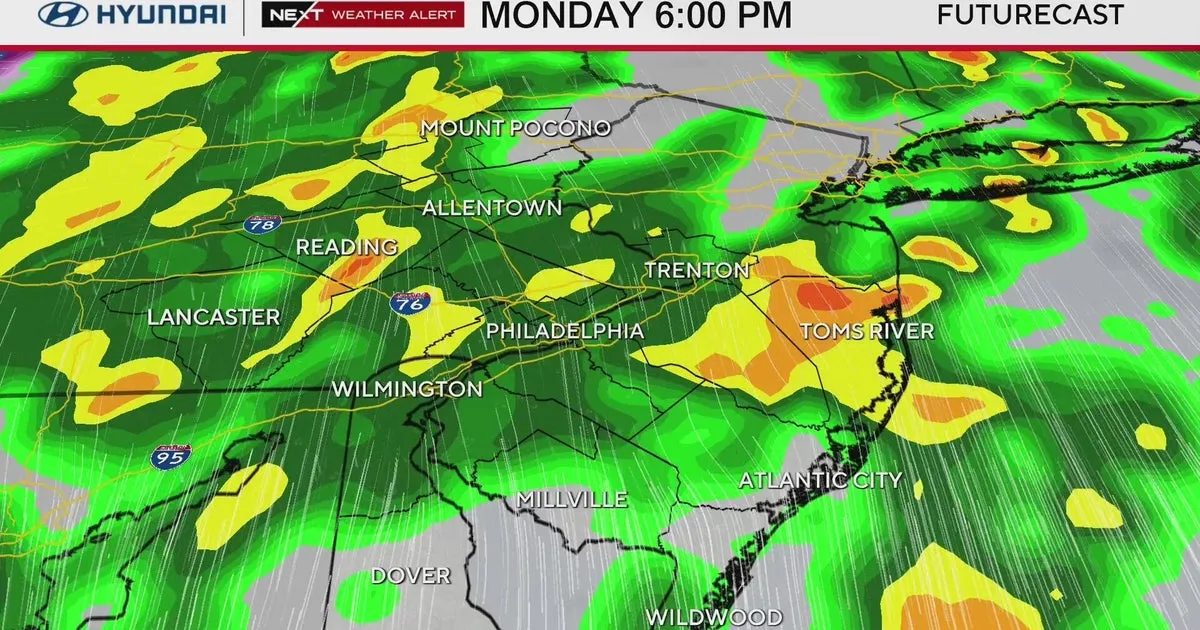
Before the severe weather event on March 16, 2026, Delaware was under a tornado watch, indicating that conditions were favorable for tornado formation. Residents were advised to stay alert, but the situation was manageable, with no immediate threats reported.
However, by 2 p.m., severe storms moved into the state, prompting a shift in expectations. The National Weather Service issued a tornado warning, confirming that a tornado had been spotted or detected on radar. This decisive moment heightened concerns as the storms were forecasted to bring strong wind gusts of up to 50 mph and heavy rainfall.
As the storms progressed, thousands of customers lost power, illustrating the direct impact of the severe weather on the community. The peak of the severe weather was anticipated between 5 and 11 p.m., leading to increased anxiety among residents who were urged to take safety precautions.
While the tornado risk decreased in the northwest and southeast areas of Delaware, it remained significant along Interstate 95 and southwest of I-95. This localized risk meant that certain communities were more vulnerable to the severe weather conditions.
In addition to the tornado warning, a wind advisory was issued, remaining in effect until 2 a.m. on March 17, 2026. This advisory highlighted the ongoing threat posed by strong winds, which could reach up to 70 mph in some areas, further complicating the situation.
Experts emphasize the importance of preparedness during such weather events. The National Weather Service provides an extensive list of tornado safety tips on its website, urging residents to familiarize themselves with these guidelines to ensure their safety.
As the storm system continues to move through Delaware, the state remains vigilant. The expected rainfall of a quarter to an inch across the state adds to the urgency of the situation, as flooding can also pose a significant risk.
Details remain unconfirmed regarding the full extent of damage or injuries caused by the storms, but the community is urged to stay informed and follow updates from local authorities.