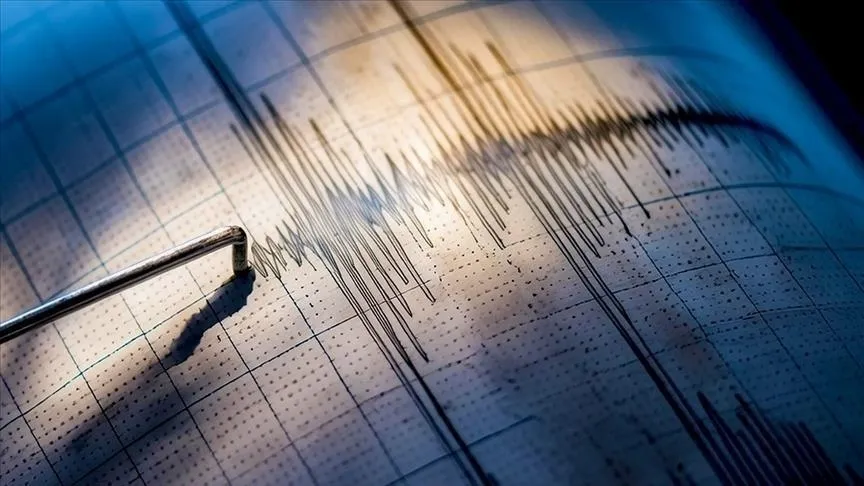
On Tuesday, a strong preliminary magnitude 7.6 earthquake struck near Tonga in the South Pacific Ocean, sending ripples of concern through the archipelago. The quake occurred at a depth of about 237 km (148 miles), centered at sea, approximately 153 km (95 miles) west of Neiafu, Tonga’s second largest town.
In the immediate aftermath, Tonga’s National Disaster Risk Management Office quickly issued warnings for residents to move to higher ground or inland. The community was advised to avoid beaches, shorelines, and low-lying coastal areas until an all-clear was given. Fortunately, there were no immediate reports of damage from the earthquake.
Staff at the Tanoa International Dateline Hotel reported, “The whole building shaked. No further damage. Everything was ok.” This sentiment reflects a sense of relief among many residents, as the earthquake’s depth likely mitigated its impact.
The United States Geological Survey (USGS) did not issue a tsunami warning for the region, which further eased fears of a secondary disaster. However, the memory of the tsunami triggered by a volcanic eruption in 2022, which tragically claimed three lives, remains fresh in the minds of the Tongan people.
Tonga, an archipelago made up of 171 islands and home to just over 100,000 people, is situated on the Pacific Ring of Fire, an area known for its seismic and volcanic activity. This geographical reality makes the nation particularly vulnerable to earthquakes.
As the situation stands now, the community is cautiously optimistic, with residents returning to their daily routines while remaining vigilant. Local authorities continue to monitor the situation and are prepared to respond should any aftershocks occur.
This sequence of events is significant for the people of Tonga, as it highlights the ongoing challenges they face living in a seismically active region. The resilience of the community is evident, as they come together to support one another in times of uncertainty.
While the immediate threat appears to have passed, the experience serves as a reminder of the importance of disaster preparedness and community solidarity in the face of natural disasters.