Introduction
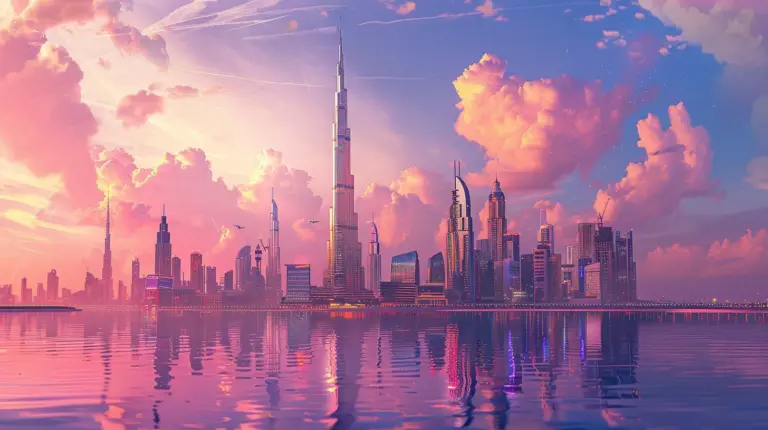
The architectural landscape of the world has been dramatically altered over the past few decades with the rise of skyscrapers, leading to a fierce competition to construct the tallest buildings. These towering structures not only showcase engineering prowess but also embody cultural and economic aspirations. As cities evolve, the race to erect the world’s tallest buildings continues to captivate the imagination of architects, engineers, and the general public.
Current Record Holders
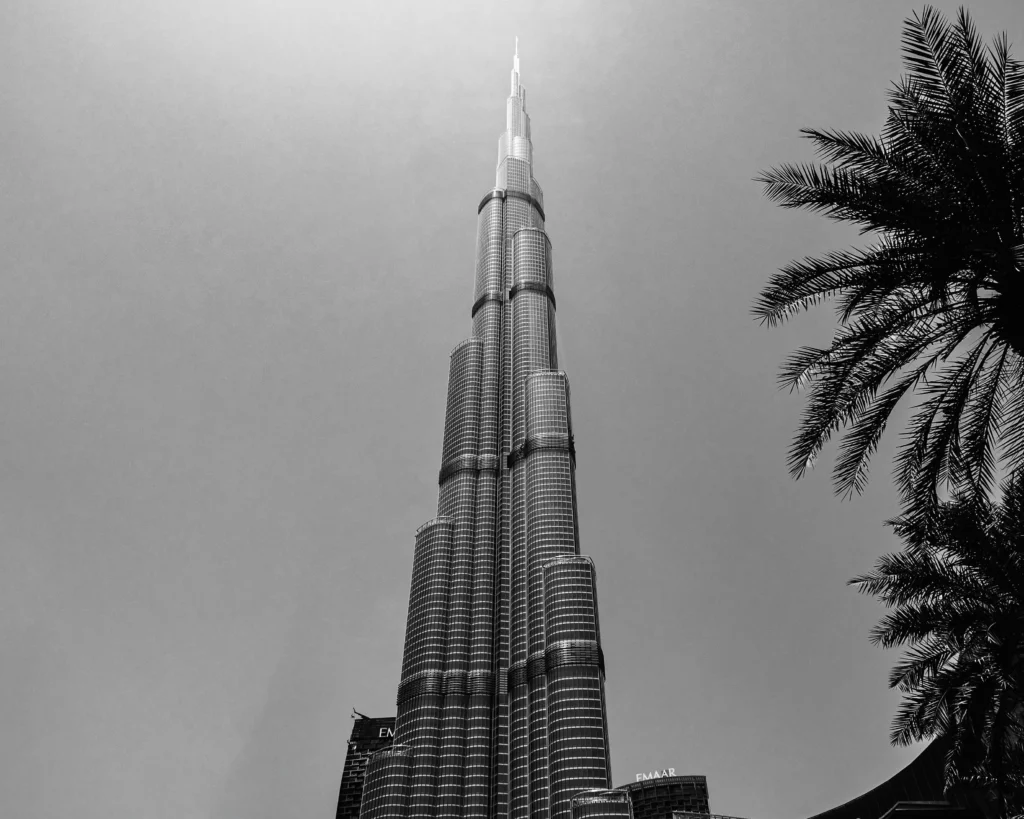
As of October 2023, the title of the world’s tallest building belongs to the Burj Khalifa in Dubai, standing tall at 828 metres (2,717 feet). Completed in 2010, this architectural marvel has set the benchmark for future skyscrapers with its unique design and state-of-the-art construction techniques. Following closely behind are the Shanghai Tower in China, measuring 632 metres (2,073 feet), and the Abraj Al Bait Clock Tower in Mecca, Saudi Arabia, at 601 metres (1,971 feet).
Recent Developments
Several ambitious projects are underway that aim to challenge these heights. The Jeddah Tower, currently on hold, is designed to reach an estimated 1,000 metres (3,281 feet), which would eclipse the Burj Khalifa once completed. Another noteworthy project is the Shanghai Planetarium Tower, which plans to reach over 700 metres. These projects highlight the ongoing pursuit of pushing architectural limits, facilitated by advancements in technology and an increased focus on sustainability.
Significance and Future Trends
The construction of such tall buildings has significant implications for urban development. They provide solutions to dense urban environments and maximise land use. However, they also raise questions regarding sustainability and environmental impact. Architects and engineers are increasingly focusing on integrating eco-friendly materials and energy-efficient systems into their designs. The move towards vertical greenery and smart buildings represents a shift in how skyscrapers can coexist with urban spaces while minimising their ecological footprint.
Conclusion
The race to build the tallest buildings in the world is more than a mere competition; it reflects our evolving relationship with technology, architecture, and urban living. While the Burj Khalifa holds its title for now, the future promises even taller constructs that will push the boundaries of what we understand about building design and functionality. As cities become more populated and the challenges of climate change grow more pressing, the way we design and construct these towering feats will be crucial. For readers and enthusiasts alike, keeping an eye on these developments offers a glimpse into the future of architectural innovation.