Introduction
Twycross Zoo, located in the heart of Leicestershire, England, is more than just a fun day out for families; it serves as an essential centre for wildlife conservation, education, and research. The relevance of Twycross Zoo stems from its commitment to preserving endangered species and providing educational opportunities for visitors of all ages. With recent initiatives and expansion plans, the zoo continues to play a vital role in global conservation efforts, particularly in the face of the accelerating biodiversity crisis.
Recent Developments at Twycross Zoo
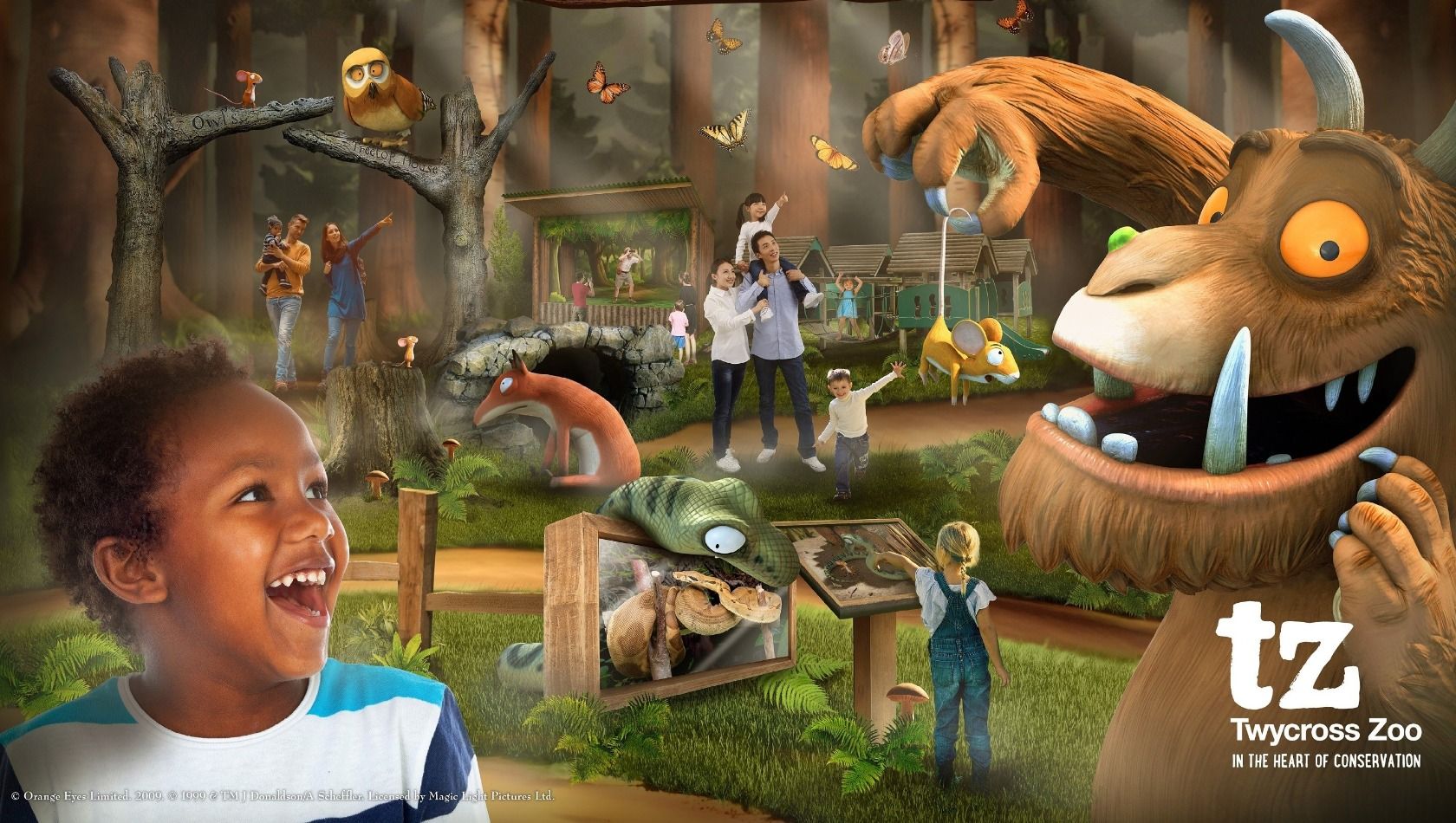
In 2023, Twycross Zoo has announced several exciting developments aimed at enhancing visitor experience while promoting wildlife conservation. The zoo has initiated a £2 million project to expand its facilities, which includes the introduction of a state-of-the-art veterinary treatment centre and an interactive educational hub. These enhancements aim to provide an immersive learning experience while ensuring the highest standards of animal welfare.
Twycross Zoo is also renowned for housing various endangered species, including the critically endangered snow leopard and the Sumatran orangutan. As part of its conservation ethos, the zoo participates actively in breeding programs that assist in boosting the populations of these animals in their natural habitats. This year, the successful birth of several zebra foals marks a significant milestone in their breeding efforts, demonstrating the zoo’s commitment to maintaining genetic diversity.
Education and Community Engagement
Education is at the forefront of Twycross Zoo’s mission. Visitors can enjoy tailored educational programmes designed for schools and community groups, aiming to raise awareness about the importance of wildlife conservation. Workshops, guided tours, and interactive sessions with zookeepers provide unique insights into the lives of the animals and the challenges they face in the wild.
Additionally, Twycross Zoo’s partnership with local schools has seen a rise in community involvement, encouraging young individuals to take an active role in conservation initiatives. This symbiotic relationship fosters a deeper understanding and appreciation for wildlife, inspiring future generations to become advocates for animal welfare.
Conclusion
Twycross Zoo stands as a beacon of hope in wildlife conservation efforts and education. As it moves forward with its expansive plans and integral projects, the zoo not only enriches the lives of its visitors but also plays a significant part in preserving the planet’s biodiversity. With interactive experiences and a commitment to animal welfare, Twycross Zoo remains a vital player in the global effort to protect endangered species. Visitors can take pride in knowing that their support directly contributes to these essential conservation work and inspires the next wave of conservationists.