Introduction
The Witcher, originally a series of fantasy novels by Polish author Andrzej Sapkowski, has transcended its literary roots to become a global cultural phenomenon. The franchise, which includes video games, a popular Netflix series, and even a board game, highlights the blending of storytelling across various media. This widespread appeal speaks to the timely relevance of fantasy narratives in modern popular culture, especially in an era craving rich, immersive worlds.
The Literary Origins
The roots of The Witcher can be traced back to 1986, when Sapkowski published his first short story in the fantasy genre. The character of Geralt of Rivia, a monster hunter known as a Witcher, became the focal point of a series that would eventually span several novels and short story collections. Readers were captivated by Sapkowski’s intricate worldbuilding and morally complex characters, which interweave themes of destiny, existentialism, and the nature of humanity.
The Video Games Boom
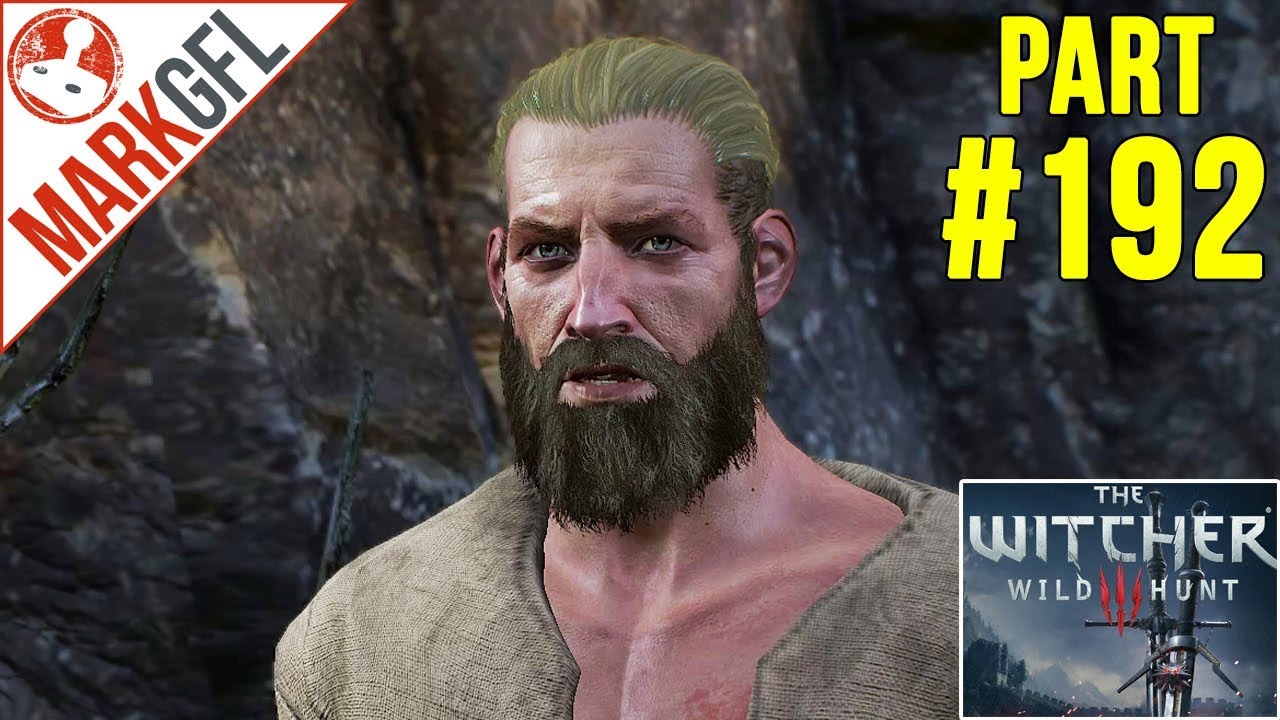
In the early 2000s, The Witcher gained significant attention with the release of a role-playing video game developed by CD Projekt Red. The 2007 game established a new standard for storytelling in video games. The subsequent titles, particularly The Witcher 3: Wild Hunt, released in 2015, set a benchmark with its open-world design, engaging quests, and depth of character development. With over 30 million copies sold, it not only boosted the brand’s popularity but also earned numerous Game of the Year awards.
The Netflix Series
The release of Netflix’s adaptation of The Witcher in December 2019 further solidified its place in contemporary pop culture. Starring Henry Cavill as Geralt, the series blended elements from the books and games, garnering a loyal fanbase shortly after its debut. As of 2023, the series has confirmed a third season and continues to attract new viewers across the globe, demonstrating the franchise’s ecological impact on both existing fans and newcomers alike.
Cultural Significance and Future Outlook
The Witcher’s narrative complexity and moral ambiguity resonate strongly with audiences, leading many to draw parallels between its themes and current societal issues. As the franchise continues to grow through expansions in gaming, potential spin-offs, and a broader media presence, it raises questions about the nature of good and evil, decisions and consequences. The Witcher stands poised at the frontier of modern fantasy culture, reaffirming the enduring relevance of its themes.
Conclusion
In conclusion, The Witcher is more than just a story about a monster hunter; it represents the confluence of literature, gaming, and television, creating a multifaceted universe that engages and inspires. As the series continues to expand, audiences can anticipate an even deeper exploration of its rich lore and character interactions. The Witcher’s journey in popular culture serves as a testament to the timeless appeal of well-crafted narratives that captivate our imagination.