Introduction
The Witcher franchise has burgeoned into a cultural phenomenon that captivates millions across the globe. Originating as a series of novels by Polish author Andrzej Sapkowski, The Witcher has branched out into video games, graphic novels, and most famously, a Netflix series. Its mixture of intricate storytelling, compelling characters, and immersive worlds resonates deeply with audiences, making it a vital part of contemporary fantasy media.
The Evolution of The Witcher Franchise
The journey of The Witcher began in 1986 when Sapkowski published his first short story featuring Geralt of Rivia, a monster hunter known as a Witcher. The short stories evolved into a saga, culminating in five main novels, which laid the groundwork for the subsequent multimedia adaptations.
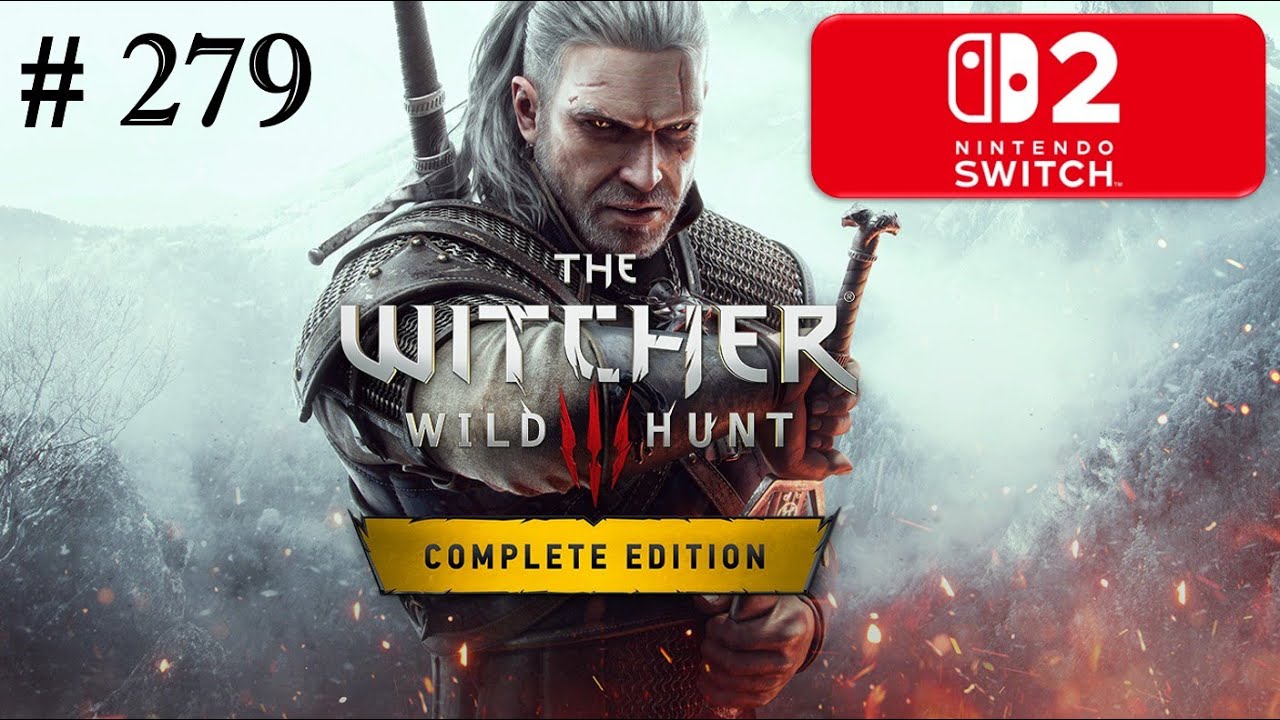
In 2007, the franchise took a dramatic turn when CD Projekt Red released the first video game, “The Witcher,” which received accolades for its storytelling and character development. This success was followed by two sequels, “The Witcher 2: Assassins of Kings” and “The Witcher 3: Wild Hunt,” the latter winning numerous Game of the Year awards and setting a new benchmark for open-world RPGs. The franchise’s popularity surged as players immersed themselves in the rich lore and choices that mould narratives.
The Netflix Series and Cultural Impact
The global recognition of The Witcher further escalated with the debut of the Netflix adaptation in December 2019. Starring Henry Cavill as Geralt, the series brought Sapkowski’s characters to life and attracted vast viewership. The show’s success not only solidified its status within mainstream media but also rejuvenated interest in the books and video games.
In its second season, released in December 2021, the series expanded its narrative depth, showcasing more of the complex relationships between characters like Geralt, Yennefer, and Ciri. This further engaged both long-time fans and newcomers alike.
Conclusion and Future Prospects
The Witcher continues to evolve, with plans for new seasons and additional spin-off series, including “The Witcher: Blood Origin,” which aims to explore the origins of Witchers. The franchise’s dedication to storytelling, characterisation, and world-building suggests a promising future for both new and existing fans.
As The Witcher transcends its origins and cements itself in diverse forms of media, it becomes clear that its influence is substantial. The combination of literary roots and expansive adaptations places The Witcher at an enduring crossroads in fantasy storytelling, inviting a broader audience to experience and engage with its magical world.