Introduction
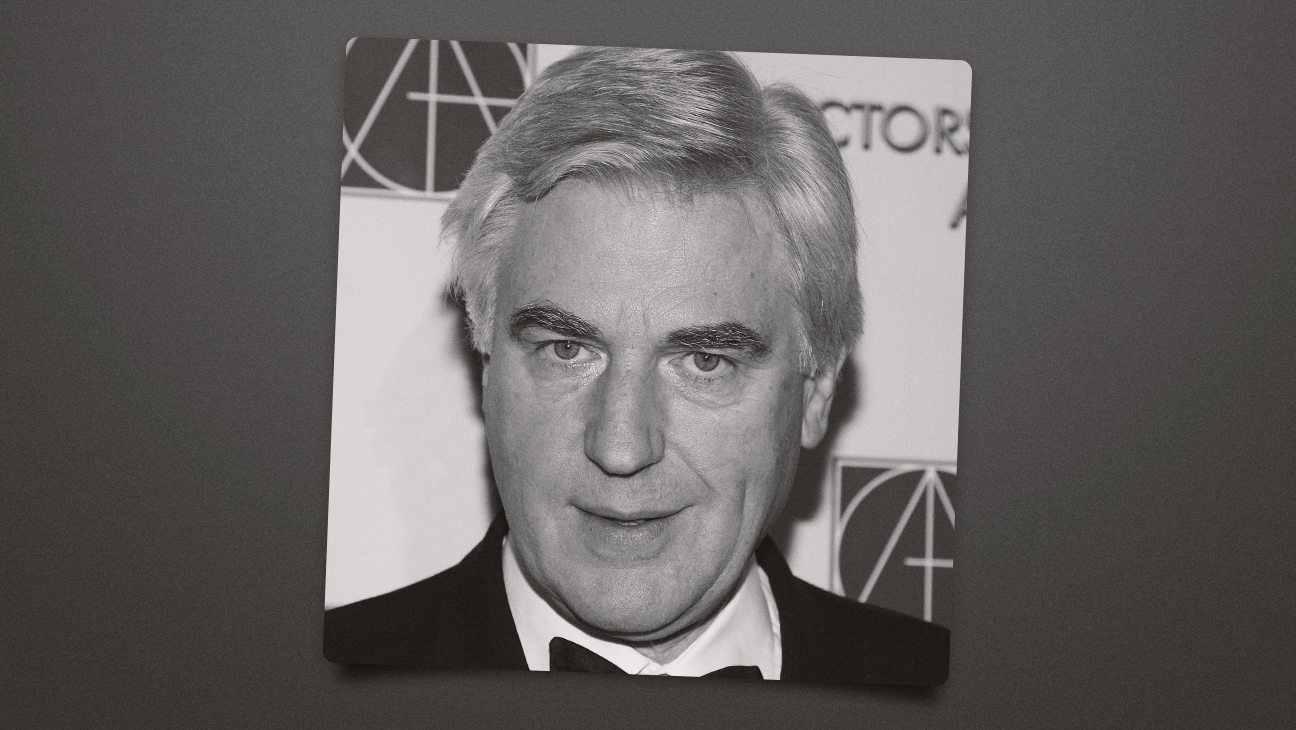
Stuart Craig, a renowned production designer, is best known for his impactful work on the Harry Potter film series. His ability to create immersive worlds has not only brought J.K. Rowling’s magical universe to life but has also influenced the landscape of film production design. Craig’s contributions are vital to understanding the broader cultural significance of the Harry Potter franchise.
Stuart Craig’s Role in Harry Potter
Starting with “Harry Potter and the Philosopher’s Stone,” released in 2001, Stuart Craig played a pivotal role in the visual transformation of the beloved book series into film. His vision was instrumental in creating iconic sets such as Hogwarts Castle, Diagon Alley, and the Forbidden Forest. Craig collaborated closely with director Chris Columbus and later filmmakers to ensure the designs were both faithful to the books and visually captivating.
Craig’s meticulous attention to detail became evident in every frame. For instance, Hogwarts was envisioned as a character in itself, with its vast array of towers, secret passages, and enchanted elements, forging a strong connection with both the characters and the audience. Each film reflected Craig’s commitment to a cohesive aesthetic that remained true throughout the series.
Techniques and Designs
Stuart Craig combined traditional design techniques with modern technology, resulting in a seamless blend of real-world architecture and CGI. His use of scale models to create intricate sets, like the scaled-down version of the Hogwarts Great Hall, allowed for a realistic representation of the magical elements. Craig and his team often traveled to real locations for inspiration, pulling various architectural styles from castles in Scotland and cathedrals in Europe to construct a visually rich environment.
A Lasting Legacy
With the conclusion of the Harry Potter series, Craig’s influence has been monumental in setting a benchmark for production design in fantasy films. His work received multiple accolades, including Academy Award nominations and BAFTA wins, solidifying his status as one of the leading figures in film design. Craig’s vision not only transformed the Harry Potter universe but also inspired future filmmakers, showing the importance of set design in storytelling.
Conclusion
Stuart Craig’s remarkable contributions to the Harry Potter franchise exemplify the vital role of production designers in the cinematic world. As the wizarding world continues to expand with spin-offs and theme park experiences, Craig’s legacy remains evident. His ability to create environments that captivate audiences ensures that the magic of Harry Potter will live on, influencing generations and leaving a lasting imprint on the film industry.