Introduction
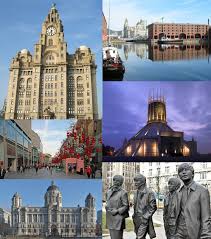
Liverpool City, located in the north-west of England, stands as a significant cultural and economic hub. Known for its rich maritime history, musical heritage, and diverse arts scene, Liverpool continues to attract tourists and residents alike. As the birthplace of The Beatles and a UNESCO World Heritage site, the city plays an important role in the UK’s cultural landscape.
Current Developments in Liverpool
In recent years, Liverpool has seen substantial investments in infrastructure and development projects. The city has been revitalising its waterfront area and enhancing its cultural facilities. Notably, the Liverpool Waters project aims to transform a 60-hectare site into a mixed-use waterfront community, which includes residential, commercial, and leisure facilities. This development is expected to generate thousands of jobs and boost the local economy significantly.
Moreover, the recent reopening of the historic Lime Street Station and the ongoing improvements to public transport add to the city’s accessibility. With these developments, Liverpool is becoming increasingly attractive for businesses, particularly in the creative and digital sectors.
Impact of Culture and Tourism
Liverpool has made concerted efforts to promote its cultural heritage through festivals, museums, and galleries. The Tate Liverpool, for example, has consistently attracted visitors with contemporary exhibitions, while the annual Liverpool International Music Festival celebrates the city’s rich musical legacy.
Tourism remains a critical aspect of Liverpool’s economy. According to VisitLiverpool, the city welcomed over 12 million visitors in 2019, contributing £4.5 billion to the local economy. Interest in the city’s cultural offerings has rebounded as Covid-19 restrictions ease, with local attractions reporting increased footfall in recent months.
Conclusion
Liverpool City continues to evolve, blending its historical roots with modern development and innovation. As it invests in infrastructure and cultural promotion, the city is poised for economic growth and increased global recognition. For residents and tourists alike, the ongoing transformation of Liverpool ensures that it remains a vibrant place to visit or live in. Looking ahead, stakeholders are optimistic about the city’s future and the potential for it to become an even more significant player on the UK’s cultural and economic stage.



