Introduction
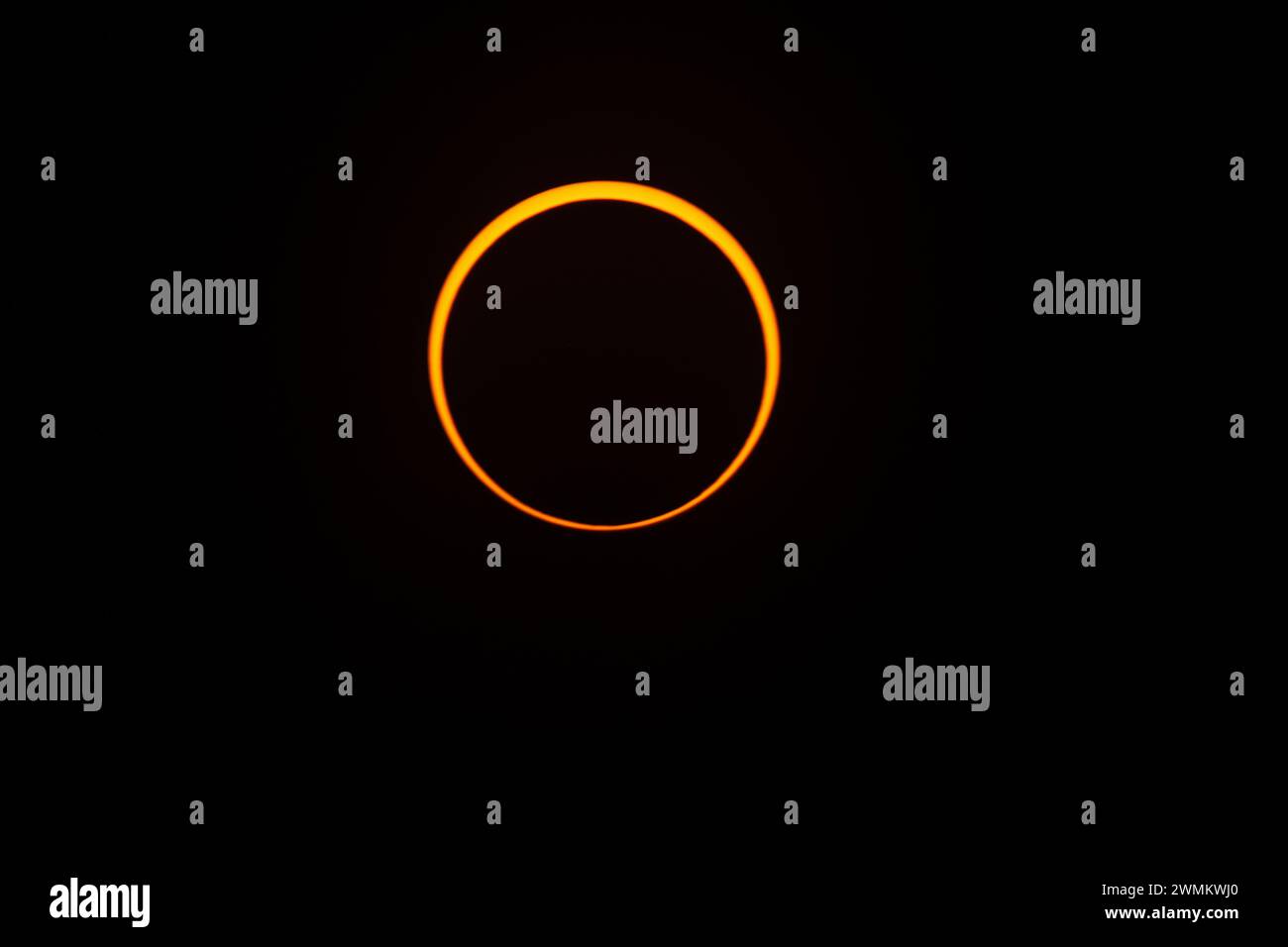
The annular solar eclipse, a rare celestial event, is expected to occur on October 14, 2023, captivating skywatchers around the globe. During this phenomenon, the Moon covers the Sun’s center, leaving a ring-like appearance often referred to as a “ring of fire.” This visual spectacle not only thrills enthusiasts but also serves scientific purposes, allowing researchers to study the solar atmosphere and other cosmic phenomena. The relevance of this event extends beyond mere observation; it represents humanity’s enduring fascination with astronomy and exploration.
Details of the Event
The path of the annular solar eclipse will stretch across parts of the United States, Central America, and South America. Regions experiencing the full effect of the eclipse will witness the dramatic ring of fire at peak visibility. Locations such as Oregon, California, Nevada, Utah, and Texas are among the prime sites for viewing this celestial occasion. The annular eclipse will begin in the morning hours and reach its maximum at approximately 12:20 PM EDT in the United States.
For safety, viewers are advised to use proper solar viewing glasses as gazing directly at the Sun can result in severe eye damage. NASA and various astronomical institutions are preparing to provide live streams and educational resources to enhance public awareness and enjoyment of the event.
Significance and Forecast
Annular solar eclipses are less frequent than total solar eclipses, making this event particularly noteworthy. The last annular solar eclipse occurred in 2021, but the upcoming eclipse has generated considerable excitement due to its extensive path over significant populated areas. Public engagement activities, such as viewing parties and educational workshops, are being organised to foster interest in astronomy and science overall.
The potential impact of the annular solar eclipse stretches beyond mere observation. It’s an opportunity to inspire the next generation of scientists and astronomers through community involvement. As we await this celestial event, it serves as a reminder of the intricate dance of celestial bodies and the scientific wonders that are yet to be explored.