Introduction
As warmer temperatures arrive, many nature enthusiasts witness an extraordinary sight: ladybirds swarming in large numbers. While these tiny beetles might seem inconspicuous, their swarming behaviour attracts attention, especially among those interested in ecology. Understanding why and how ladybirds swarm is critical, as it reflects broader ecological dynamics and climate influences.
What Causes Ladybirds to Swarm?
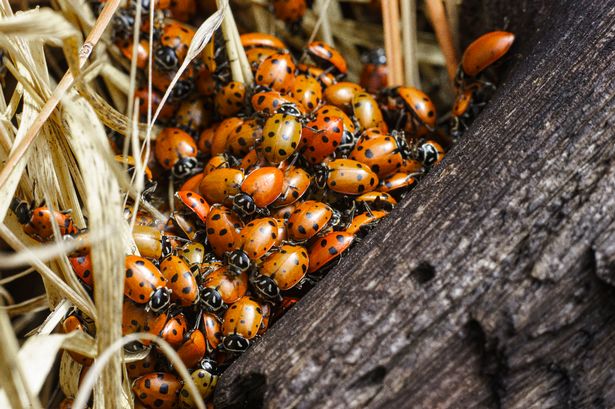
Ladybirds, or ladybugs as they are commonly known in some regions, typically congregate in groups during specific times of the year. This behaviour often occurs in the autumn, when they seek shelter before winter sets in. Swarming is thought to provide advantages such as better protection from predators, increased mating opportunities, and improved thermal regulation. According to entomologists, the swarming instinct is likely triggered by factors such as temperature, humidity, and the availability of food.
The Current Swarming Events
This spring, reports have emerged from various regions in the United Kingdom, particularly in the Midlands and southern counties, of unusually high ladybird populations gathering in parks, gardens, and rural areas. Observers have noted swarms covering tree trunks and fences, leading to an upsurge in local interest. Ecologists suggest that this year’s mild winter has contributed to increased survival rates for the beetles, resulting in significant swarming in early May. In particular, the two-spot ladybird (Adalia bipunctata) and the harlequin ladybird (Harmonia axyridis) are among the most frequently observed species in these groups.
Implications for Ecosystems
The swarming of ladybirds may provide benefits to surrounding ecosystems. As voracious predators of aphids and other plant pests, ladybirds play a crucial role in agricultural health and biodiversity. Increased populations can lead to natural pest control, which is beneficial for gardeners and farmers alike. However, the presence of the invasive harlequin species can have adverse effects, as it competes aggressively with native species. As such, monitoring ladybird populations can serve as a measure of ecological balance in local habitats.
Conclusion
The phenomenon of ladybirds swarming not only captivates naturalists but also offers insights into ecological health and environmental changes. As climate patterns evolve, the behaviour of these beetles may offer valuable information regarding ecosystem responses to changing conditions. Observers are encouraged to document their sightings and contribute to citizen science initiatives, recognising the importance of ladybirds in maintaining the delicate balance of our environment.