Introduction
Brock Lesnar is a name that resonates deeply in the worlds of professional wrestling and mixed martial arts (MMA). His impressive physique, athleticism, and charisma have not only made him a fan favourite but have also earned him numerous accolades throughout his career. Lesnar’s journey from an amateur wrestler to a global superstar highlights the evolution of combat sports in recent years, making him a significant figure in sporting history.
The Early Years
Brock Lesnar was born on July 12, 1977, in Webster, South Dakota. He showed an early affinity for sports, particularly wrestling, where he excelled at a young age. Lesnar’s collegiate career took off when he joined the University of Minnesota, where he won the NCAA Division I Heavyweight Wrestling Championship in 2000. His wrestling background provided a strong foundation for his future career in both the WWE and MMA.
Professional Wrestling Career
Lesnar made his WWE debut in March 2002 and quickly rose to stardom, known for his incredible strength and in-ring prowess. In just a year, he became the youngest WWE Champion at the age of 25, quickly capturing the audience’s attention with his dominating style. Lesnar’s first stint in the WWE lasted until 2004, after which he pursued a career in the NFL and later transitioned to MMA.
Transition to MMA
In 2008, Lesnar stepped into the world of mixed martial arts, joining the Ultimate Fighting Championship (UFC). His MMA debut came in February 2008, where he showcased his wrestling background and striking capabilities. Lesnar won the UFC heavyweight title in just his fourth professional fight, defeating Randy Couture in November 2008. His tenure in the UFC was marked by a high-profile match against Frank Mir at UFC 81, further establishing him as a formidable force in the octagon.
Return to WWE
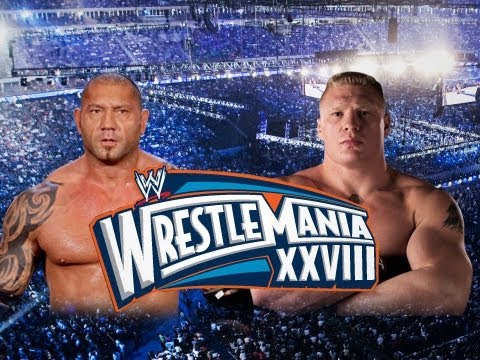
After a successful run in the UFC, Lesnar returned to WWE in 2012 and continued to build on his legacy with high-profile matches, including feuds with iconic wrestlers such as John Cena, The Undertaker, and Roman Reigns. His matches consistently draw large audiences, underscoring his enduring popularity and influence in professional wrestling.
Conclusion
Brock Lesnar’s journey from the wrestling mat to the octagon and back to the wrestling ring epitomises the rise of combat sports phenomena. He remains a dominant figure in both wrestling and MMA, inspiring a new generation of athletes. As he continues to evolve and entertain, Lesnar’s legacy will undoubtedly influence the future of both sports, making him a testament to the power of hard work, tenacity, and dedication in achieving greatness.