Introduction
Tim Burton, an iconic filmmaker known for his distinctive style and imaginative storytelling, has captivated audiences for decades. His work often blends elements of gothic aesthetics with whimsical narratives, making it both unique and universally appealing. With a career spanning over three decades, Burton continues to influence the film industry, shaping the genre of fantasy and horror. Recent projects have reignited interest in his work, showcasing how his creativity remains relevant in today’s cinematic landscape.
Burton’s Distinctive Style
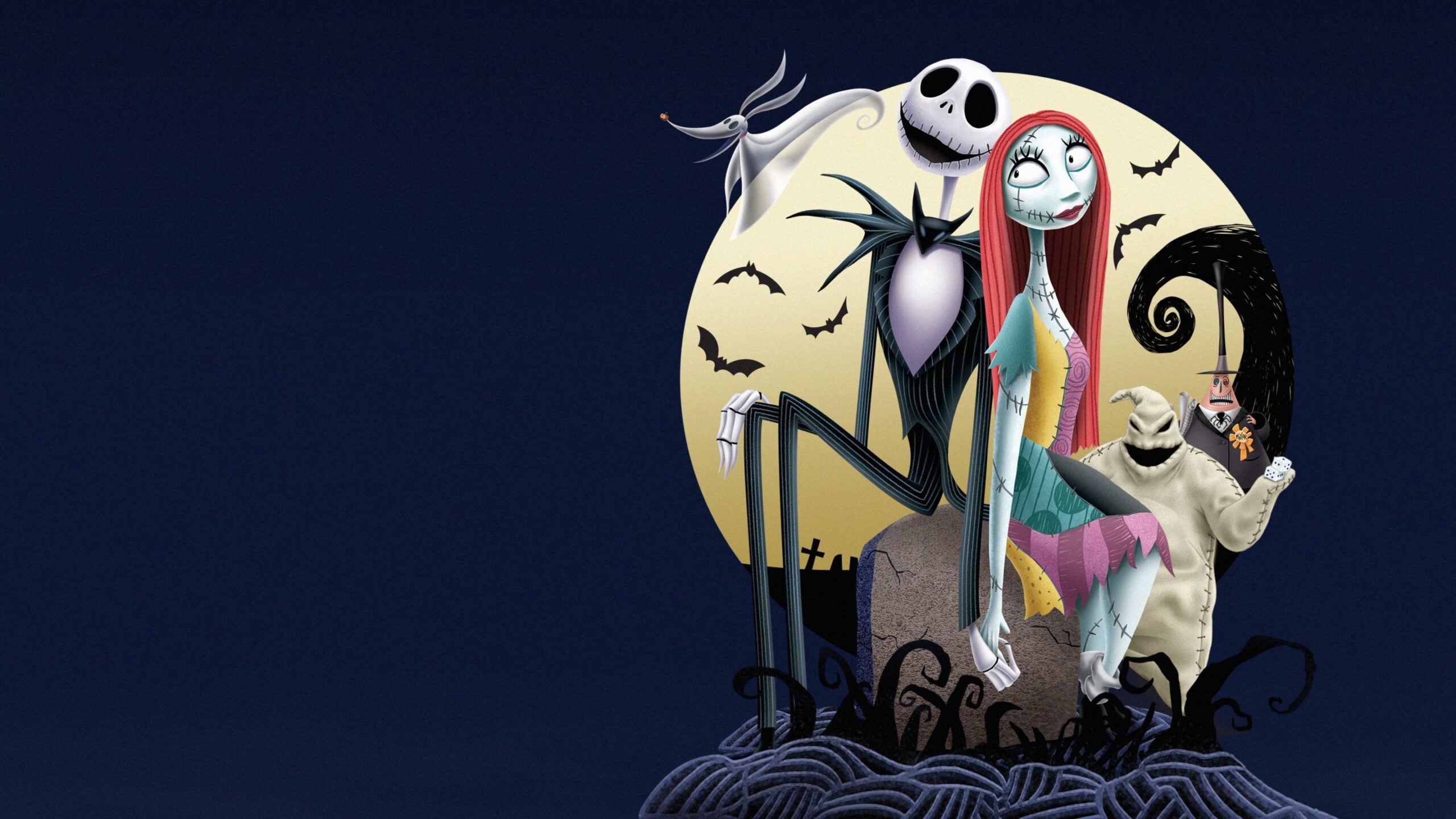
Tim Burton’s signature style includes a dark, whimsical aesthetic, characterised by exaggerated characters, quirky narratives, and elaborate set designs. His most notable films, such as “Edward Scissorhands” and “The Nightmare Before Christmas”, have become cult classics. Burton’s ability to evoke a sense of nostalgia while introducing fresh concepts has garnered a diverse fan base. His films often explore themes of alienation, individuality, and the juxtaposition of light and dark, echoing the complexities of human emotions.
Recent Projects
In recent years, Burton has continued to evolve his craft. His live-action adaptation of “Dumbo”, released in 2019, was met with mixed reviews but showcased his unique approach to familiar stories. Furthermore, his latest project, the Netflix series “Wednesday”, featuring the beloved character Wednesday Addams from “The Addams Family”, has made headlines. The series combines Burton’s gothic flair with modern storytelling, appealing to both longtime fans and a new generation. The show not only received positive reviews but also reestablished Burton as a force in contemporary television.
The Significance of Tim Burton’s Work
Burton’s influence extends beyond film; he has become a cultural icon. His ability to craft stories that resonate deeply, paired with visually arresting imagery, inspires countless filmmakers and artists. He has also impacted fashion, graphic design, and even theme parks, proving his versatility as an artist. As audiences become increasingly drawn to immersive storytelling, the relevance of Burton’s work is even more apparent; his films often provide a refuge into worlds that challenge conventional narratives.
Conclusion
In conclusion, Tim Burton’s artistic vision and unique storytelling approach have solidified his status as one of the most imaginative filmmakers of our time. As he continues to adapt and create new content, it is clear that his contributions to cinema and culture will endure. With ongoing projects that draw interest from a diverse audience, Burton remains a key figure in shaping the future of fantasy storytelling, reminding us of the power of creativity and imagination in film.



