Introduction
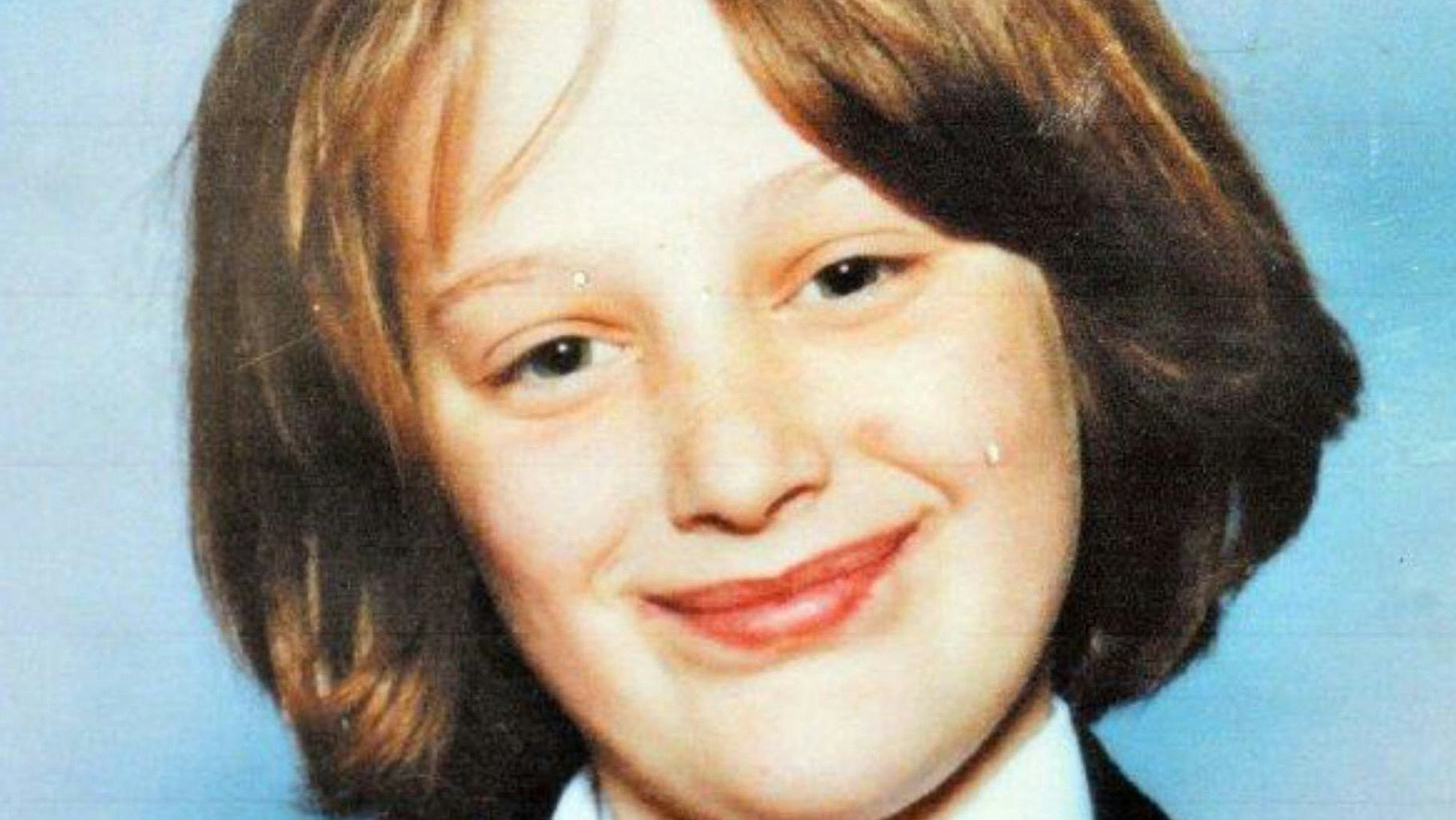
The case of Charlene Downes is one that has resonated throughout the United Kingdom since her disappearance in 2003. It not only highlights the issues surrounding missing persons but also sheds light on the complexities of the justice system. Charlene was just 14 years old when she went missing in Blackpool, sparking extensive media coverage and public interest. The significance of her case remains relevant as it raises questions about safety, justice, and the societal responsibilities surrounding vulnerable individuals.
Details of the Disappearance
On April 1, 2003, Charlene Downes was last seen in the town of Blackpool, Lancashire. She vanished after leaving her home, reportedly heading to meet friends. Despite numerous sightings and extensive searches, no trace of Charlene has ever been found. Her family has faced years of anguish, holding onto hope while enduring a lengthy and painful wait for answers. The initial investigation was met with various challenges, including a lack of concrete leads and the eventual focus on a number of local suspects, none of whom were charged with her disappearance.
Investigative Challenges and Developments
Over the years, the case has seen several twists and turns. In 2007, two men were tried for her murder based on testimonies, but the trial concluded without a conviction. The case returned to the public eye when a documentary aired in 2018, reigniting interest and discussion surrounding Charlene’s fate. Law enforcement agencies have continued to review the case, following new tips and adopting advancements in forensic technology in hopes of finally bringing closure to the investigation. Despite this, many questions remain unanswered.
The Ongoing Impact
Charlene’s case has sparked conversations about youth safety and the mechanisms in place to protect young people. It has prompted calls for more rigorous measures to help prevent similar cases, alongside advocacy for stronger support systems for families of missing individuals. The memories of Charlene Downes persist in community initiatives and charitable campaigns aimed at safeguarding children and empowering parents to be vigilant.
Conclusion
The story of Charlene Downes remains an enduring tragedy in the landscape of UK missing persons cases. As investigations continue and society grapples with the implications of such incidents, it is vital to honour Charlene’s memory by advocating for systemic changes and bolstering protective measures for children. The hope is that someday, her family will receive the answers they have sought for nearly two decades, and that her story will inspire action that makes a difference in the lives of vulnerable individuals across the country.