Introduction
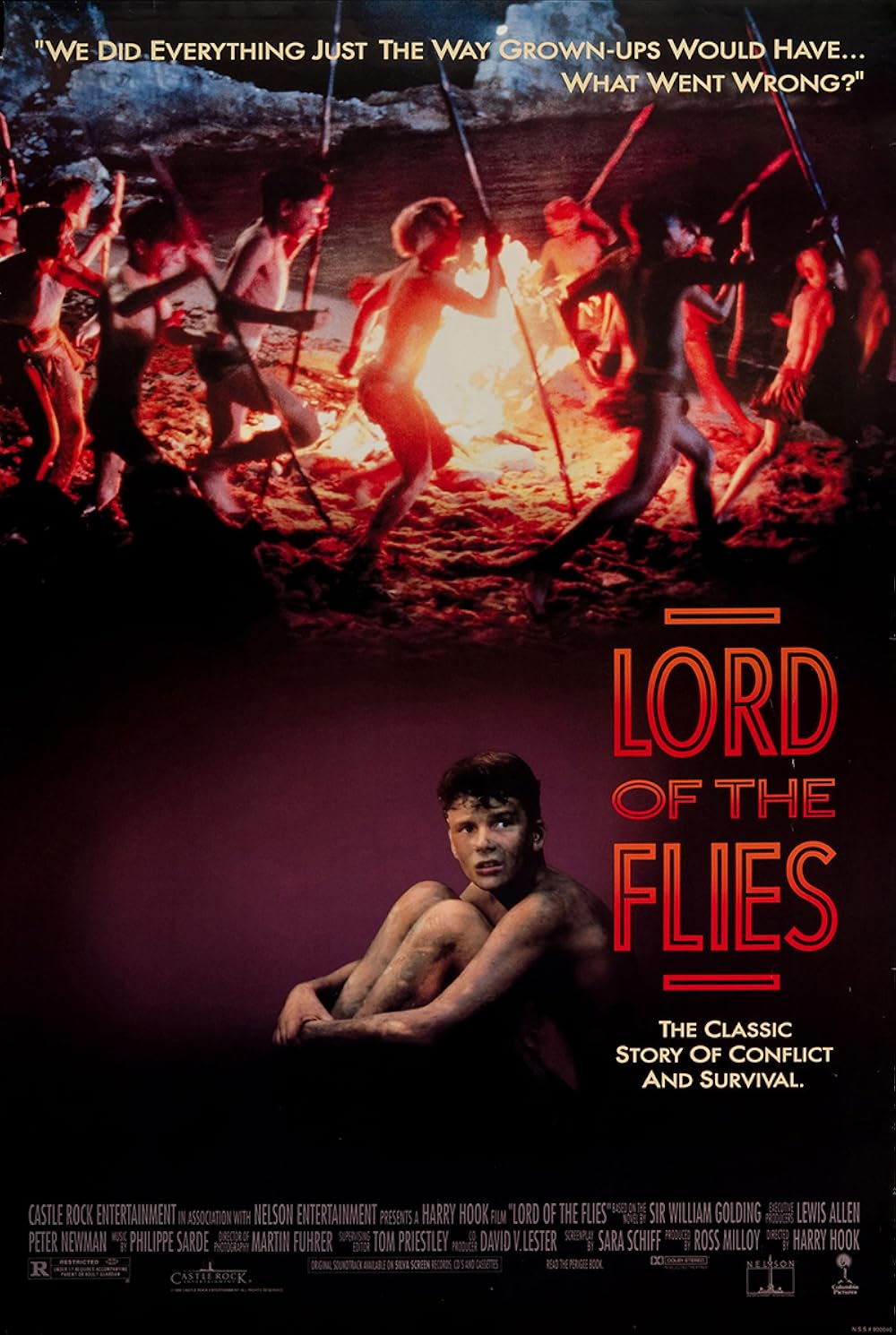
Published in 1954, William Golding’s novel Lord of the Flies remains a significant literary work due to its exploration of the darker sides of human nature. Oddly prescient, it dives into themes of civilization versus savagery, loss of innocence, and the intrinsic conflict within humanity. As societies grapple with challenging issues such as political unrest and moral dilemmas, Lord of the Flies remains crucial for both educational purposes and philosophical discussions.
Synopsis and Themes
The narrative follows a group of boys stranded on an uninhabited island after a plane crash. Initially, they attempt to establish order through democratic means, electing Ralph as their leader. However, as time progresses, the boys’ attempts to maintain civility deteriorate, leading to chaos and violence, primarily influenced by the character of Jack. The novel serves as a microcosm for society, showcasing how quickly humans can regress into primal instincts when stripped of societal structures.
Key themes include the struggle between civilization and savagery, which is most clearly represented by the opposing characters of Ralph and Jack. The conch shell, symbolising order and democracy, also underlines the fragility of societal norms. Moreover, the emergence of the ‘beast’ reflects humanity’s inherent fears and the darkness that resides within every individual.
Modern Relevance
In contemporary times, Lord of the Flies finds relevance amidst global crises including political division, social injustice, and widespread conflict. Schools, literary circles, and educators often use the novel to facilitate discussions about human behaviour, ethics, and societal structures. The increasing instances of mob mentality and the rise of authoritarianism in various parts of the world serve as parallels to the novel’s themes, prompting readers to question human nature’s integrity when tested.
Conclusion
Golding’s Lord of the Flies is more than just a novel; it is an unsettling introspection into human behaviour under extreme conditions. Its analysis of civilization’s thin veneer and the precarious balance between order and chaos resonates profoundly today. As we continue to confront the complexities of our societal behaviours, reading and discussing this work becomes even more significant, urging a deeper understanding of ourselves and the world around us.