Introduction
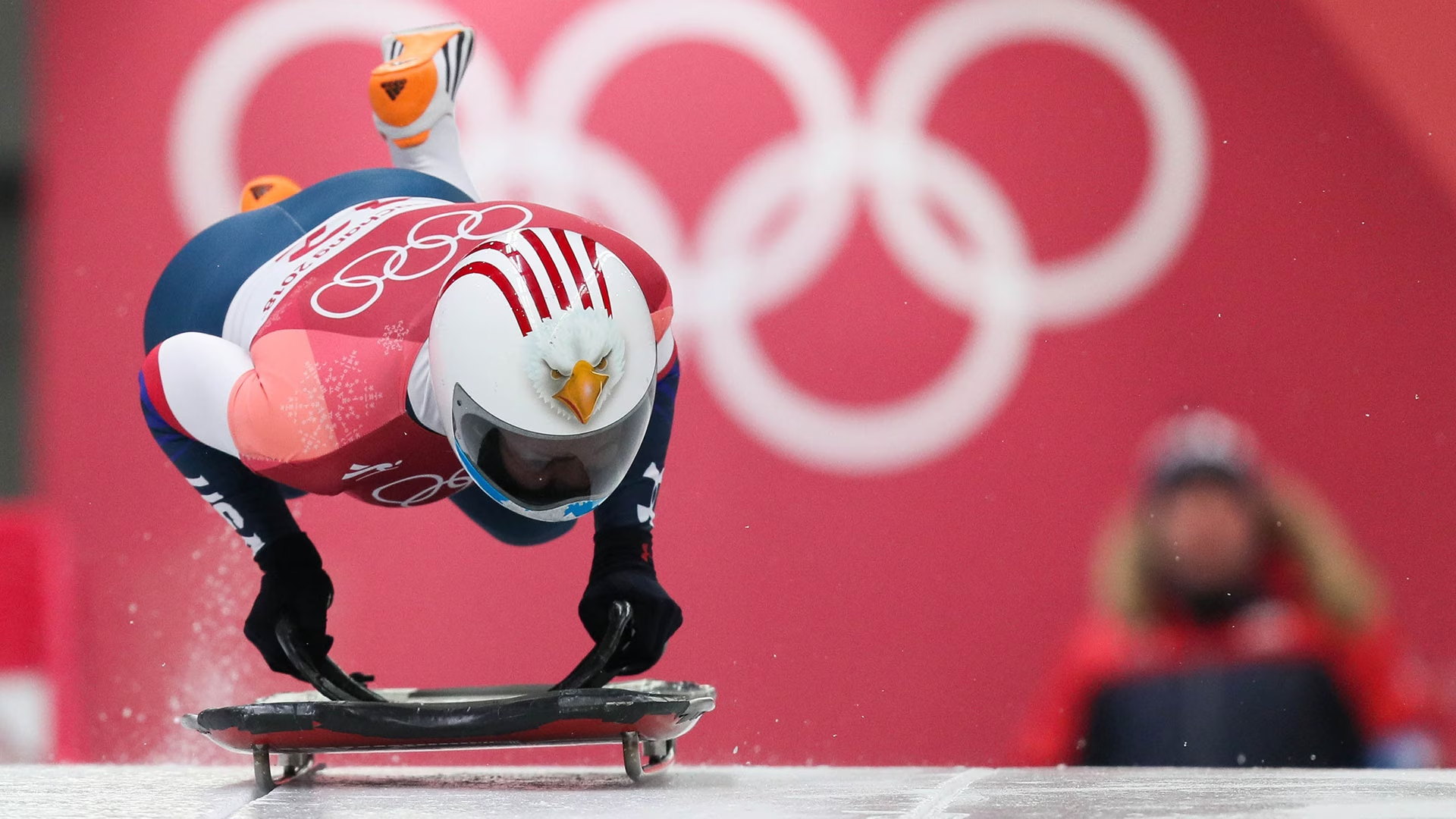
The Skeleton is one of the most exhilarating sports featured in the Winter Olympics, captivating audiences with its blend of speed and precision. Athletes navigate a narrow, sled-like craft down an icy track at astonishing speeds, often exceeding 130 km/h. The significance of this sport extends beyond mere entertainment, as it showcases the zenith of human athleticism and the rigorous training regimens of competitors.
Understanding Skeleton
Originating from a variation of the bobsleigh, the sport of skeleton has evolved since it was included in the first Winter Olympics in 1924. Skeleton athletes lie face down on their sleds, with their heads mere centimetres from the ice, which adds an element of risk and excitement. The word ‘skeleton’ is derived from the sled’s resemblance to a skeleton’s shape and structure. This unique sport calls for an impressive combination of nerve, skill, and athleticism, making it one of the more challenging disciplines of the Winter Games.
Recent Events and Performances
The most recent Winter Olympics, held in Beijing in February 2022, showcased outstanding performances from athletes worldwide. The medal tally was led by the British team, with athletes like Laura Deas and Matt Weston showcasing their skills and determination. Deas won a remarkable bronze medal, adding to Britain’s history in this sport.
Future of Skeleton in Winter Olympics
As the next Winter Olympics approaches in 2026, which will be hosted by Milan and Cortina d’Ampezzo, the sport of skeleton is expected to grow in popularity. Authorities believe that increasing coverage and training facilities worldwide can help attract new talent and fans. Moreover, the emphasis on safety innovations is likely to make the sport more approachable for younger athletes.
Conclusion
Skeleton represents the pinnacle of winter sports, capturing the essence of speed and thrill. As spectators gear up for the 2026 Games, interest in this daring discipline will likely continue to rise, inspiring the next generation of athletes. The combination of excitement, athletic prowess, and sheer bravery makes skeleton not just a sport, but a remarkable spectacle in the Winter Olympics line-up.