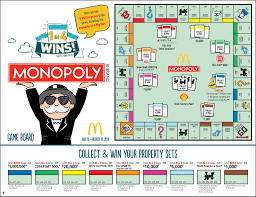
Introduction to McDonald’s Monopoly
McDonald’s Monopoly is an annual promotional game that has captivated millions of customers around the globe since its inception. The game invites patrons to collect game pieces while purchasing meals, with the chance to win enticing prizes ranging from free food to cash rewards. The game is not only a marketing strategy for McDonald’s but also a social phenomenon marked by excitement and competition. Understanding its significance sheds light on consumer engagement tactics and brand loyalty strategies in the fast-food industry.
How McDonald’s Monopoly Works
Each year, McDonald’s launches the Monopoly promotion typically in the autumn months. During this event, customers receive game pieces attached to various menu items. These pieces can be collected to form properties on a game board inspired by the classic Monopoly board game. The properties correspond to different real-life locations and prizes, including cars, vacations, and electronics.
Players aim to complete sets or collect rare pieces, turning the game into a competitive endeavor. Events surrounding the promotion often generate a buzz on social media, as participants share their progress and experiences, sometimes leading to crowds forming at restaurants and long lines of eager consumers.
Recent Developments and Impact
In 2023, McDonald’s has introduced a new twist to the Monopoly game that has enhanced engagement among younger audiences, integrating digital gameplay elements and online interactions. This pivot aligns with current consumer trends, particularly the growth of online gaming and social sharing.
Additionally, despite the promotional excitement, the game has faced scrutiny over the years, with some investigations into its fairness and security. Notably, a controversy emerged surrounding the alleged manipulation of winning pieces in previous versions of the game. McDonald’s has since revamped its promotional policies to ensure transparency and maintain customer trust.
Conclusion
McDonald’s Monopoly continues to be a fascinating blend of marketing strategy and social interaction. It fuels both excitement and community participation while exemplifying larger trends in consumer behaviour. As we look to the future, it will be interesting to see how brand strategies further evolve, particularly as businesses increasingly rely on digital engagement in a post-pandemic environment. The game’s enduring popularity suggests that consumers remain enthusiastic about these unique experiences that offer both fun and the potential for unexpected rewards.



