Introduction
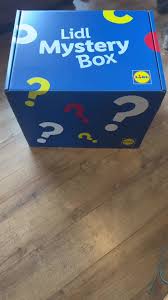
The concept of mystery boxes has gained significant popularity in recent years, becoming a unique attraction for consumers seeking a surprise and a bargain. Lidl, a well-known supermarket chain in the UK and Europe, has recently introduced its own version of the mystery box, capitalising on this trend. Not only do these boxes entice shoppers with the element of surprise, but they also offer food and household items at a fraction of their retail value. This initiative is particularly relevant as consumers seek economical solutions amidst rising living costs.
Details of the Lidl Mystery Box
Lidl’s mystery box offers customers an opportunity to receive a selection of products packed into a box that is not revealed until opened. Reports indicate that each mystery box typically contains a variety of products ranging from groceries to household goods, with a combined retail value that can exceed the purchase price. Boxes are sold at a fixed price, making them an attractive option for customers looking to save money. For instance, some customers have reported spending around £10 on a mystery box that contained items worth over £30.
The initiative is not just about savings; it also taps into the excitement of unboxing. Many shoppers have taken to social media to share their experiences, showcasing the unexpected delights they find in their boxes, which often include seasonal products, special promotions, and occasionally, limited-edition items. This aspect of the mystery box experience encourages community interaction and promotes brand loyalty.
Consumer Response
The response from consumers has been overwhelmingly positive. Although it can be hit or miss, the thrill of potentially receiving high-value or rare items keeps shoppers returning for more. Lidl has also utilized the buzz generated from social media posts and videos, further enhancing the public’s interest in the mystery boxes. However, some customers have expressed dissatisfaction if the contents did not meet their expectations, highlighting the subjective nature of ‘value’ in the context of mystery boxes.
Conclusion
The Lidl mystery box phenomenon represents an innovative approach to retail that embraces both the excitement of surprise and the practicality of savings. As financial pressures continue to challenge consumers, such unique offerings can bridge the gap, giving shoppers an extra incentive to choose Lidl over competitors. Moving forward, the success of these boxes may influence how other retailers engage their customers, as more brands might consider entering the mystery box arena to enhance customer attraction and retention strategies. For shoppers, the luxury of mystery boxes might soon become a regular part of their supermarket experience.