Introduction
Simon Leviev, infamously known as ‘The Tinder Swindler’, has captured international attention with his notorious story of love, lies, and financial deceit. Since the release of a hit Netflix documentary, Leviev has become symbolic of the dangers of online dating and the vulnerabilities it can expose in individuals. His tale highlights the need for increased awareness regarding online fraud and the complexities of trust in the digital age.
Background on Simon Leviev
Born Shimon Hayut in Israel, Leviev’s early life did not hint at the scandals to come. He allegedly posed as the son of a wealthy diamond mogul, using this fabricated identity to charm women he met on dating apps. His approach was one of luxury and romance, ensuring he captured the hearts and wallets of unsuspecting victims across Europe. With a facade of wealth, he whisked women away on extravagant dates, which led them to believe they were in a genuine relationship.
The Tinder Scams Unfold
Leviev employed a systematic approach to scam women out of substantial amounts of money. After gaining their trust, he would fabricate stories of being in danger, often claiming he needed funds to escape persecution. Many women reported that they eventually ended up loaning or gifting him thousands of pounds—some losing upwards of £200,000. The emotional and financial fallout for the victims has been significant, with reports of long-lasting impacts on their personal and financial well-being.
Legal Consequences
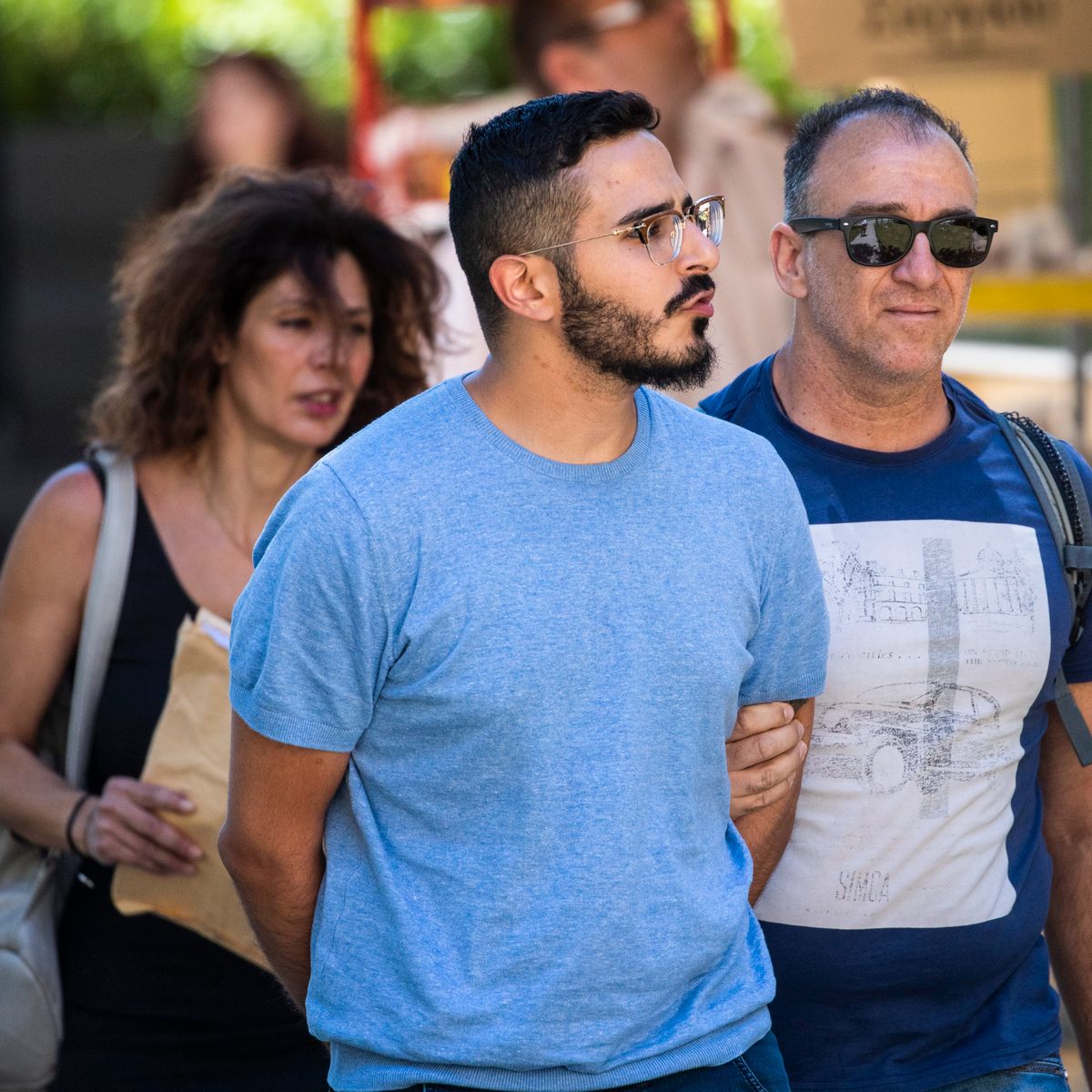
In 2019, Leviev was arrested in Greece and subsequently extradited to Israel, where he faced charges related to the fraudulent activities. After serving a reduced sentence, he has resurfaced again, insisting that he is a misunderstood entrepreneur rather than a criminal. As of the latest reports, Leviev is still under scrutiny, with victims speaking out and advocating for justice, while Leviev attempts to rebuild his public persona.
Impact on Online Dating and Safety Measures
The aftermath of Leviev’s story has prompted discussions about safety in online dating. Many dating platforms are now taking steps to enhance security measures, educating users on how to spot potential scams. Moreover, conversations around digital literacy and awareness are helping to empower individuals to protect themselves from similar situations. Victims’ testimonies have inspired a wave of support and advocacy, ensuring that stories like theirs are not overlooked.
Conclusion
Simon Leviev’s saga as ‘The Tinder Swindler’ is more than just a cautionary tale about romance; it serves as a critical reminder of the risks associated with online connections. As the digital world continues to evolve, understanding how to navigate it safely remains paramount. The ongoing discussions around his case highlight an essential need for vigilance, ultimately striving towards a safer environment for online dating. As new developments unfold, the story of Simon Leviev will likely remain relevant for many, offering insights into the balance between trust and caution in our interconnected lives.