Introduction
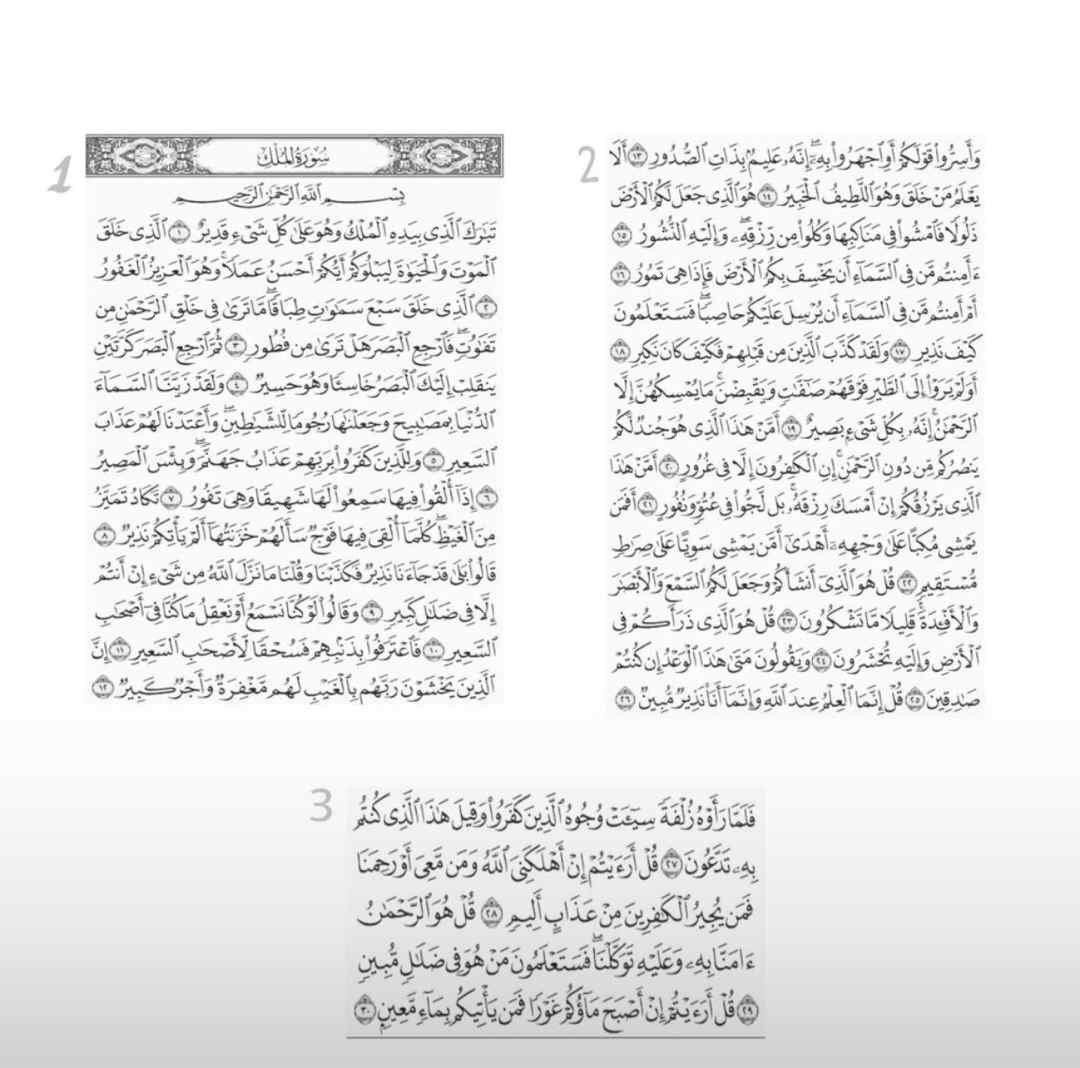
The Quran, the holy book of Islam, holds profound importance for over 1.8 billion Muslims worldwide. It serves as a guide for moral conduct, spiritual fulfillment, and social justice. In an era of religious diversity and interfaith dialogue, understanding the Quran’s teachings can foster more meaningful conversations about faith and community cohesion.
The Essence of the Quran
The Quran is believed to be the literal word of God (Allah), as revealed to the Prophet Muhammad over a span of 23 years. It is written in Arabic and is composed of 114 chapters, known as Surahs, which encompass various themes including law, guidance, and the stories of previous prophets. The Quran emphasizes principles such as charity, compassion, and justice, making it highly relevant in addressing contemporary social issues like inequality and environmental concerns.
Current Relevance
Recent global events have underscored the importance of understanding the Quran within the context of peacebuilding and conflict resolution. Many Muslim leaders and scholars are engaging with non-Muslim communities to promote the Quran’s message of peace in a world often marred by violence and misunderstanding. Initiatives such as interfaith dialogues and educational programs are on the rise, aiming to demystify Islam and explore shared values among different faith traditions.
Moreover, the Quran’s teachings are being revisited by academics and spiritual leaders to advocate for social reforms. Issues such as women’s rights and environmental stewardship are increasingly being highlighted through a Quranic lens, demonstrating the text’s adaptability to modern challenges.
Conclusion
As society continues to evolve, the Quran remains a vital source of inspiration and guidance for millions. Its teachings not only shape the lives of its followers but also contribute significantly to cultural dialogues in diverse settings. Understanding the Quran can foster a more inclusive environment where mutual respect and understanding thrive. As we move forward, the Quran’s relevance in addressing contemporary moral dilemmas and social issues is likely to grow, inviting further exploration and appreciation of its wisdom across various cultures.