Introduction to the Perp Walk
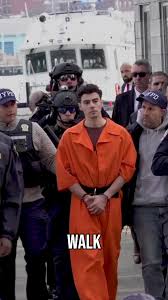
The term ‘perp walk’ refers to the practice where suspected criminals are escorted by law enforcement, often in view of the press, after their arrest. This routine has garnered significant public attention and debate, highlighting the intersection of justice, media, and public perception. As high-profile cases proliferate, particularly in an age where media visibility can influence public opinion, understanding the implications of perp walks is increasingly relevant.
Historical Context and Purpose
The origins of the perp walk can be traced back to the 1980s, with notable emphasis on the practice during major criminal cases. Law enforcement agencies assert that these walks serve several purposes: they deter future criminal behaviour, signal transparency in the justice system, and fulfil a societal need for accountability. By showcasing arrests, authorities aim to reinforce the message that justice is being served.
Contemporary Examples and Criticism
Recent events have seen a resurgence in the prominence of perp walks, especially in cases involving influential figures, such as politicians and celebrities. For example, the high-profile arrest of former President Donald Trump in 2023 for financial-related charges resulted in a widely televised perp walk, drawing both criticism and support. Critics argue that these walks can violate the presumption of innocence, sensationalise a suspects’ plight, and potentially hinder fair trial rights. In contrast, supporters contend that they are a necessary component of law enforcement’s accountability to the public.
The Media’s Role
The media plays a crucial role in shaping the narrative surrounding perp walks. The extensive coverage they receive can amplify public outrage or sympathy towards the accused, depending on the context. However, this creates a dichotomy between the rights of individuals and the media’s right to report, raising ethical questions about privacy and justice.
Conclusion and Future Implications
As society moves forward in the age of digital media and instant news, perp walks may continue to evolve. With increasing scrutiny and calls for reform within the justice system, there may be shifts in how these practices are conducted. It is essential to maintain a balance between public interest and the rights of the accused, ensuring that justice remains impartial and fair. Understanding the impact of perp walks will help readers navigate the complex dynamics of law enforcement and media representation in contemporary society.