Introduction
The First Winter Olympics, held in Chamonix, France in 1924, marked a pivotal moment in the history of sports. Recognising the growing popularity of winter sports, the International Olympic Committee (IOC) decided to create an event dedicated to these activities. This event not only opened new avenues for athletes but also highlighted the importance of winter sports on a global scale, laying the foundation for what would become a highly anticipated international event every four years.
History and Events
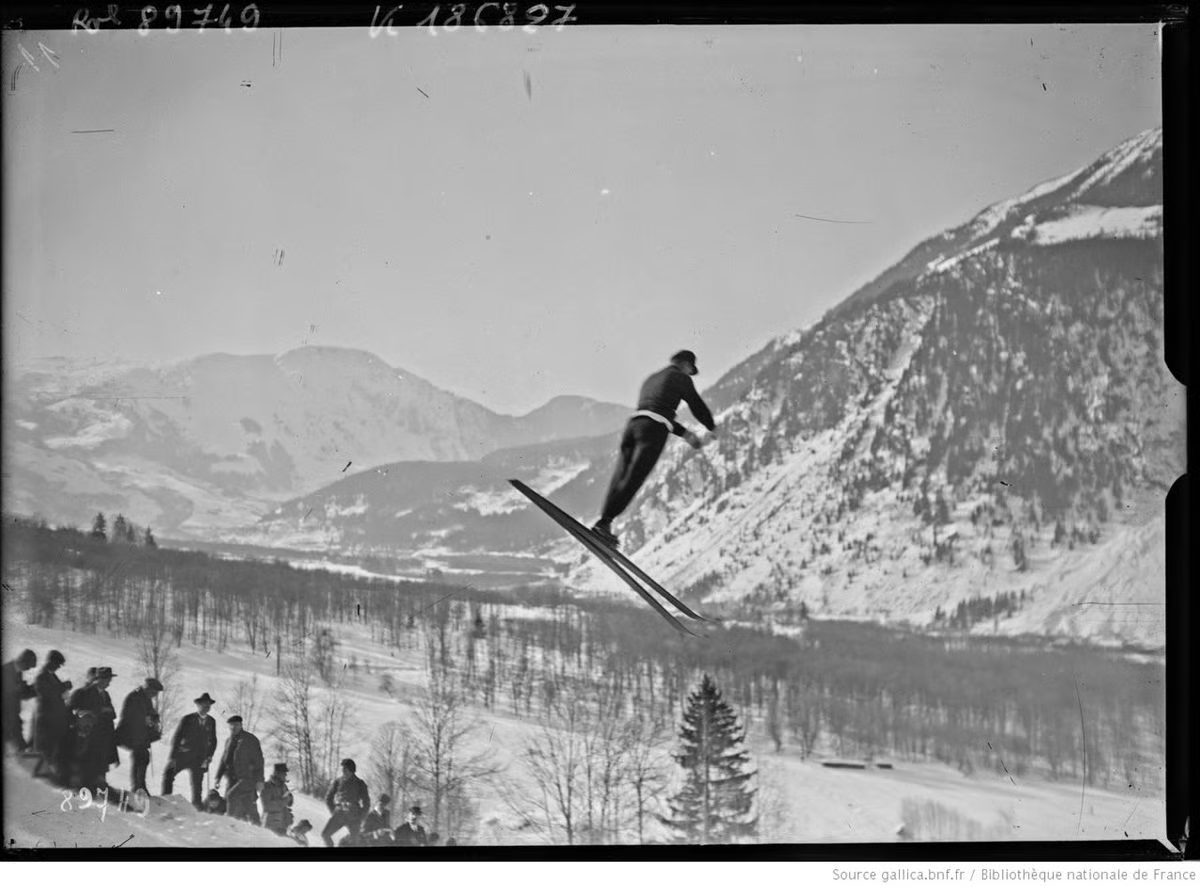
The inaugural Winter Olympics took place from January 25 to February 5, 1924, featuring 16 nations and a total of 258 athletes, all competing in four sports: ski jumping, ice hockey, figure skating, and various forms of skiing. Notably, Norway emerged as a dominant force, winning the most medals, including golds in cross-country skiing and ski jumping.
Among the highlights of the games was the performance of British figure skater Halfdan Hjelmeset, who became a household name following his routines on the ice. Additionally, the games featured events such as the men’s 500 metres speed skating, where athletes from the Netherlands showcased their superior skills.
Impact and Legacy
The First Winter Olympics have since evolved, influencing the subsequent games held every four years, effectively expanding winter sports’ presence. The success of Chamonix helped embed winter sports in the Olympic tradition, leading to a rise in public interest and participation. Furthermore, the games highlighted international collaboration, drawing nations together under a banner of friendly competition.
In 1924, many had speculated whether winter sports could sustain audience interest, but with later editions featuring an increasing number of disciplines such as snowboarding and freestyle skiing, it has been proven that winter sports have a vibrant and impactful place in the sports world.
Conclusion
The First Winter Olympics not only showcased athletic achievements but also established a global platform for winter sports which continues to thrive today. Looking forward, as we approach future Winter Olympic Games, the ethos and spirit of Chamonix 1924 remain evident. The games have become a symbol of unity and competition amongst nations, promising thrilling moments and remarkable stories that capture the hearts of fans worldwide.



