Introduction
The state pension is a vital component of the UK’s social security system, providing financial support to retirees who have contributed to the National Insurance scheme. Understanding the state pension is essential, especially as it undergoes significant changes to meet the evolving demographic and economic landscape. With an increasing number of individuals entering retirement and life expectancy rising, the importance of the state pension cannot be understated. It serves not only as a safety net for millions but also reflects the government’s strategy to alleviate poverty among the elderly.
Current State of the Pension Scheme
As of 2023, the full new state pension stands at £203.85 per week for those who have at least 35 qualifying years of National Insurance contributions. However, the amount could be lower based on individual contributions. Recent data from the Department for Work and Pensions shows that around 12.4 million people are receiving a state pension, highlighting its significance in providing financial security to retirees.
Eligibility and Changes
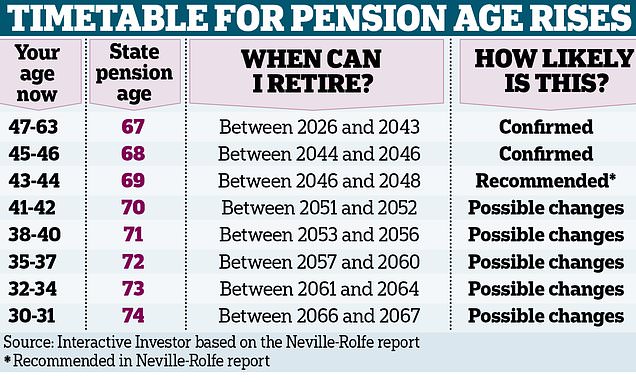
Eligibility for the state pension depends largely on National Insurance contributions made throughout an individual’s working life. The pension age has been gradually rising, with both men and women reaching the state pension age of 66 by 2020; this will increase to 67 by 2028, with further increases under consideration. These changes have stirred debate over the adequacy of support provided to older citizens, especially those who may struggle to work until retirement age.
Importance for Retirees
The state pension is vital for the financial wellbeing of many retirees, providing a foundation upon which they can build their retirement income. While some opt for additional private pensions or savings, the state pension remains a crucial safety net that helps prevent poverty among the elderly. According to Age UK, approximately 1.9 million older people live in poverty, and a significant part of this can be attributed to inadequate private savings.
Future Forecasts
Looking ahead, the government plans to review the state pension system to ensure its sustainability. As life expectancies continue to rise, pressure on the system may increase, prompting adjustments in pension rates or eligibility criteria. Forecasts indicate a potential reform in the coming years, aiming to balance the needs of retirees with governmental fiscal responsibilities. Experts suggest that understanding these changes is crucial for planning one’s retirement effectively.
Conclusion
The state pension system in the UK is undergoing significant scrutiny amidst changing demographic trends and financial pressures. Keeping informed about alterations in eligibility, amounts, and future changes is essential for current and future retirees. As citizens prepare for retirement, understanding the nuances of the state pension will aid in crafting a secure and fulfilling financial future.