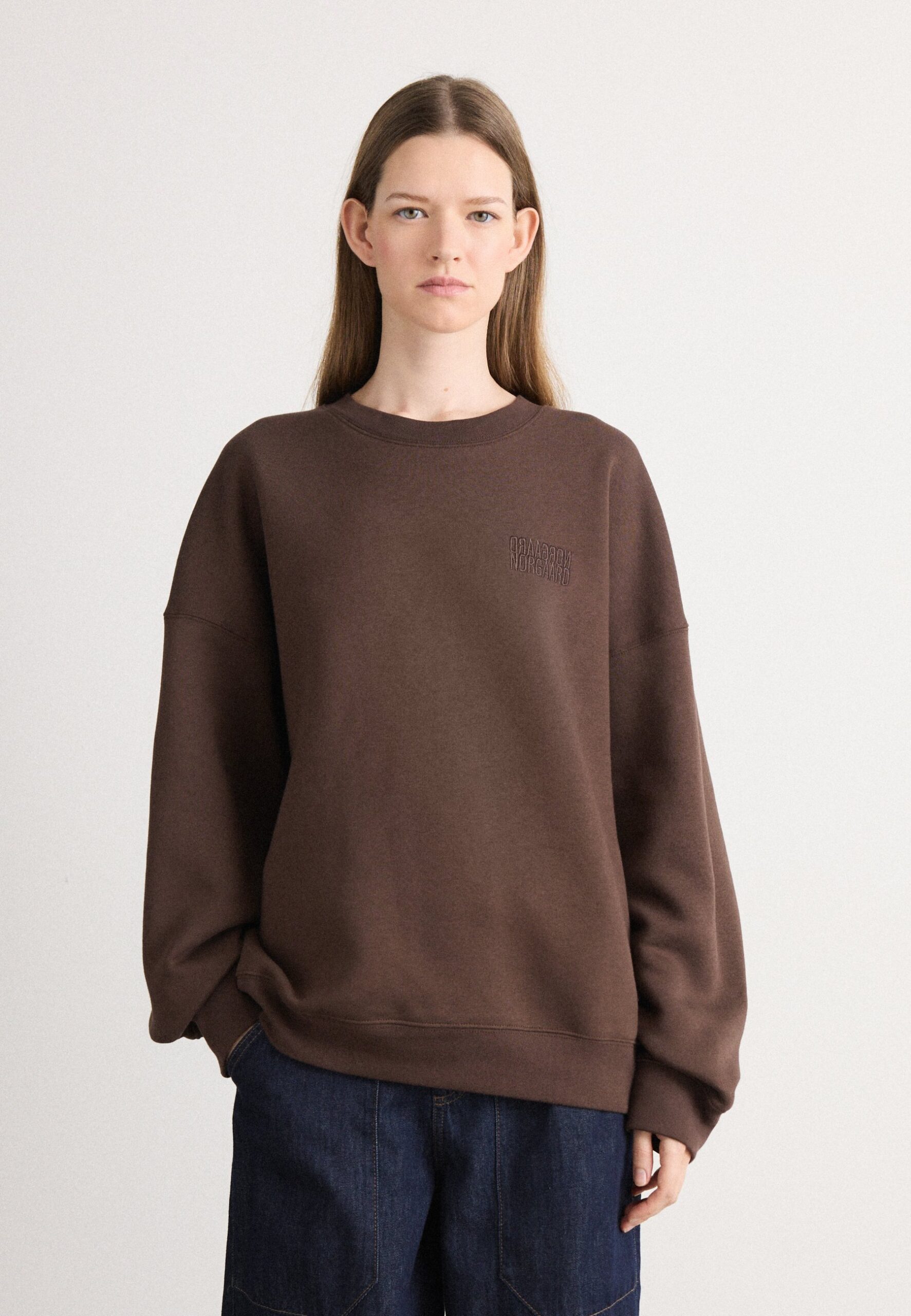
Introduction
Norgaard, a brand synonymous with eco-friendly fashion, has become a significant player in the global apparel market. With growing consumer demand for sustainable practices, Norgaard’s approach towards ethical production and innovative design is proving increasingly vital. The brand’s commitment to sustainability resonates with a contemporary audience keen to support a more responsible fashion industry.
Background on Norgaard
Norgaard, founded in the early 1990s in Copenhagen, Denmark, has established a reputation for creating stylish yet sustainable apparel. The brand’s philosophy centres on minimizing environmental impact while providing consumers with high-quality, fashionable pieces. This dual focus has allowed Norgaard to carve out a niche in a crowded market, becoming a go-to choice for conscious consumers.
Current Developments
As of 2023, Norgaard has expanded its offerings, introducing a range of innovative materials and processes designed to reduce waste. Recent collaborations with environmental organisations showcase their determination to push the boundaries of sustainable fashion. Norgaard is also leveraging technology to enhance transparency in their supply chains, making it easier for consumers to trace the origins of their garments. These steps not only bolster consumer trust but also set a benchmark for other brands within the industry.
Relevance in Today’s Fashion Landscape
In light of the increasing awareness around climate change and ethical production, brands like Norgaard are crucial in reshaping industry standards. The rise of eco-conscious consumerism is evident, as many individuals seek to align their purchasing decisions with their values. Norgaard’s commitment to sustainable practices directly addresses these concerns, making it a pivotal player in the transition towards a greener fashion industry.
Conclusion
In conclusion, Norgaard’s trajectory underscores the growing importance of sustainable practices within fashion. As the industry moves towards eco-friendliness, brands that prioritise environmental responsibility, such as Norgaard, will likely thrive. The emphasis on sustainability not only influences consumer behaviour but also encourages other brands to consider the long-term impacts of their production methods on the environment. As we look ahead, Norgaard’s innovative practices may well redefine the future of fashion, signalling a shift towards a more sustainable model for all.