Introduction
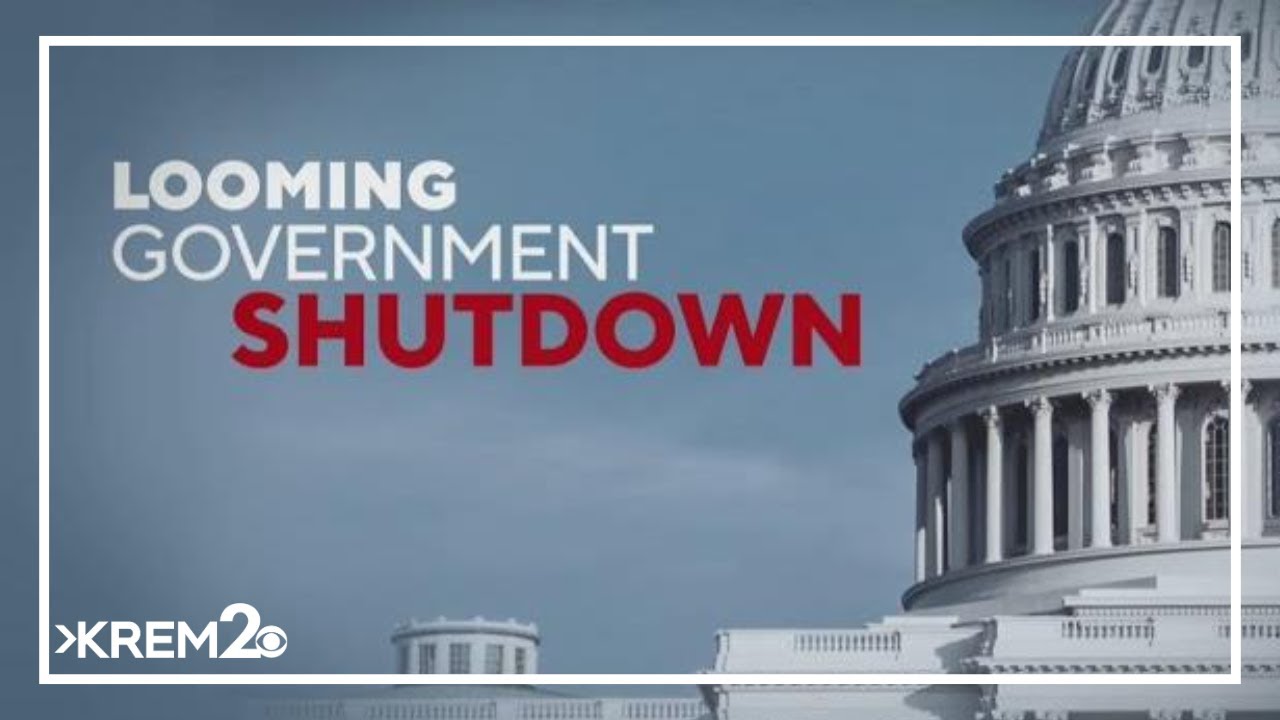
Federal government shutdowns occur when Congress fails to pass funding legislation, leading to a partial or total closure of government services. These shutdowns can have widespread implications for federal employees, public services, and the economy. As the United States faces potential shutdowns with each fiscal year, understanding the causes and consequences is essential for citizens and policymakers alike.
Recent Events
In September 2023, concerns about a potential federal government shutdown became prominent as lawmakers debated budgetary allocations. The fiscal year ends on September 30, and with stark differences in spending priorities between political parties, the situation intensified. The stakes are high; previous shutdowns have disrupted essential services ranging from national parks to federal law enforcement, significantly affecting workers and the public.
The most notable shutdown in recent history was in December 2018, which lasted 35 days, making it the longest in U.S. history. In that instance, around 800,000 federal workers were either furloughed or required to work without pay, creating significant economic strain. A similar situation loomed in late September 2023 as the deadline approached, with analysts warning of potential impacts both short and long-term, including weakened consumer confidence and halted government contracts.
Impacts of Shutdowns
Federal government shutdowns have a ripple effect on the economy. Apart from affecting federal employees, contractors, and businesses reliant on government spending, they can lead to decreased consumer spending when workers face uncertainty about their pay. Government services, from public safety to health services, see interruptions, causing inconvenience and possibly jeopardising public welfare. For instance, during previous shutdowns, medical research and public safety initiatives faced setbacks, which could have long-term consequences on societal health and safety.
Looking Ahead
As discussions continue in Congress about the appropriations bill, public scrutiny rises. Economists are urging for a resolution to avoid the detrimental effect of another shutdown. A faster resolution could stabilize government functions and public confidence, essential as the nation grapples with various economic challenges, including inflation and potential recession concerns.
Conclusion
Federal government shutdowns are a pressing issue that impact various facets of American life. As political stalemates persist, the calls for bipartisanship become increasingly urgent. Understanding the implications of these shutdowns is crucial for remedial measures and enhancing governmental accountability. With the gravity of existing challenges, it is imperative that representatives work collaboratively to avert shutdowns that jeopardise the welfare of citizens and the stability of the economy.