Introduction
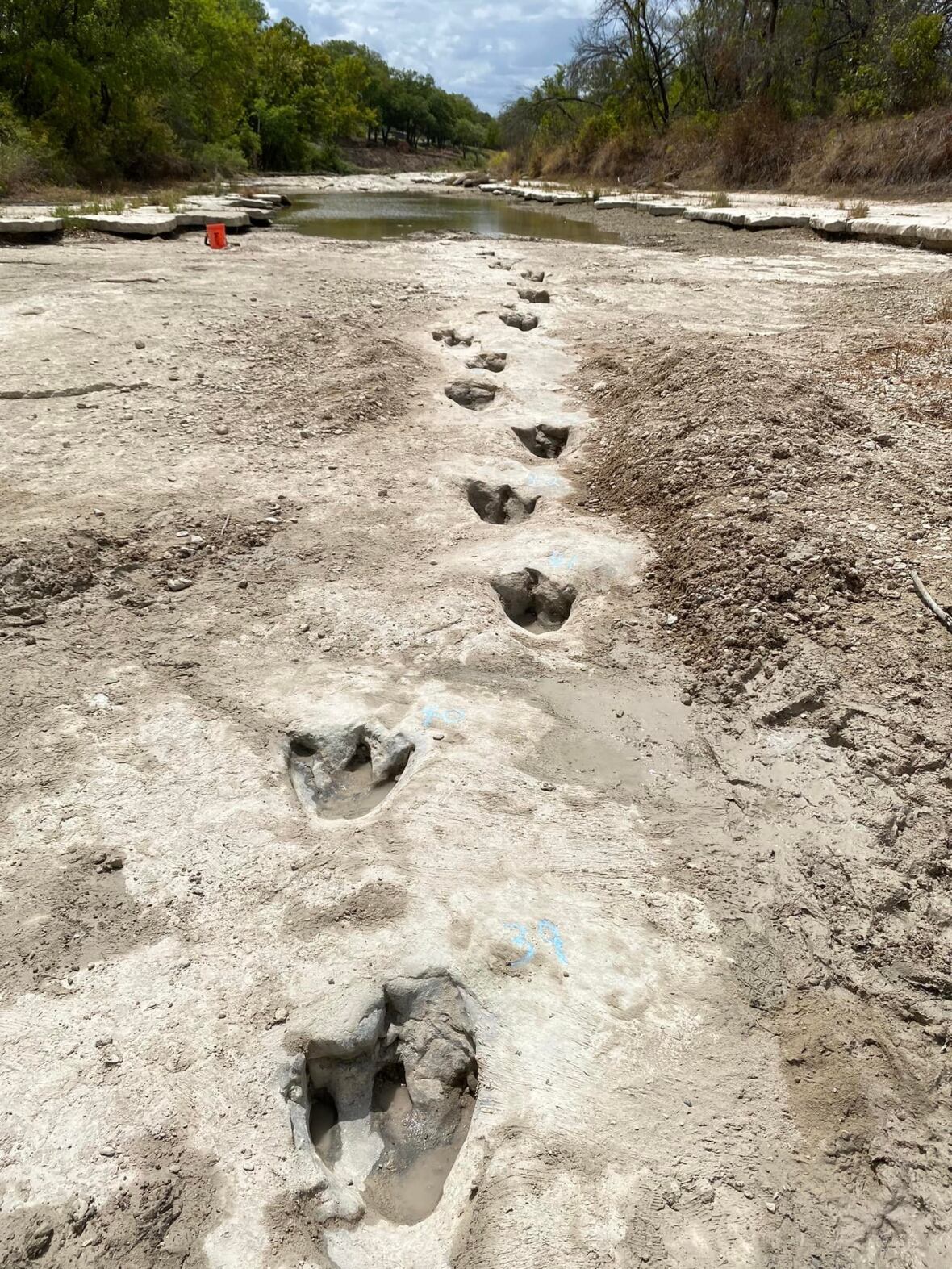
Dinosaur footprints are invaluable to paleontologists, offering crucial evidence about the behaviour, movement, and habitat of these prehistoric creatures. As new discoveries continue to emerge, the importance of studying these fossilised imprints is becoming more pronounced, providing unique insights into the life of dinosaurs and ultimately enriching our understanding of Earth’s geological history.
Recent Discoveries
One notable discovery occurred in 2023 when a team of researchers unearthed a rare collection of dinosaur footprints in a remote area of Scotland. Estimated to be over 200 million years old, these footprints belong to both theropods and large herbivorous dinosaurs. The site has been hailed as a significant addition to the understanding of dinosaur behaviour and ecology during the Triassic period.
This particular site offers a glimpse into a time when dinosaurs were beginning to thrive. The footprints are not only well-preserved but also reveal evidence of social behaviour, indicating that some theropods may have travelled in groups while foraging for food. This discovery adds to the growing body of evidence supporting the socialisation of prehistoric animals, which challenges previous notions that dinosaurs were predominantly solitary creatures.
Importance of Dinosaur Footprints
The study of dinosaur footprints provides essential clues about their anatomy, size, and locomotion patterns. By examining the depth and distance between prints, scientists can infer the weight and speed of the dinosaurs, as well as the types of environments in which they lived. This is especially relevant for understanding the adaptations that allowed dinosaurs to dominate the ecosystems of their time.
Furthermore, footprints often serve as indicators of ancient climate conditions, helping researchers decipher how environmental changes influenced dinosaur life. For instance, footprints found in sedimentary rock may suggest the presence of lagoons or wetlands, offering clues about the landscape and climate during the era.
Conclusion
As discoveries of dinosaur footprints continue to surface across the globe, the relevance of these fossils cannot be overstated. They provide a bridge between us and an era long past, bringing to light the complexities of dinosaur behaviour, ecology, and evolution. For students and enthusiasts alike, the evolving research surrounding these ancient traces offers new avenues for exploration and learning. The significant paleontological findings derived from these footprints not only enhance our understanding of the distant past but also remind us of the dynamic history of life on Earth. As we look to the future, continued exploration into dinosaur footprints will undoubtedly reveal more astounding secrets of these magnificent terrestrial giants.



