Introduction
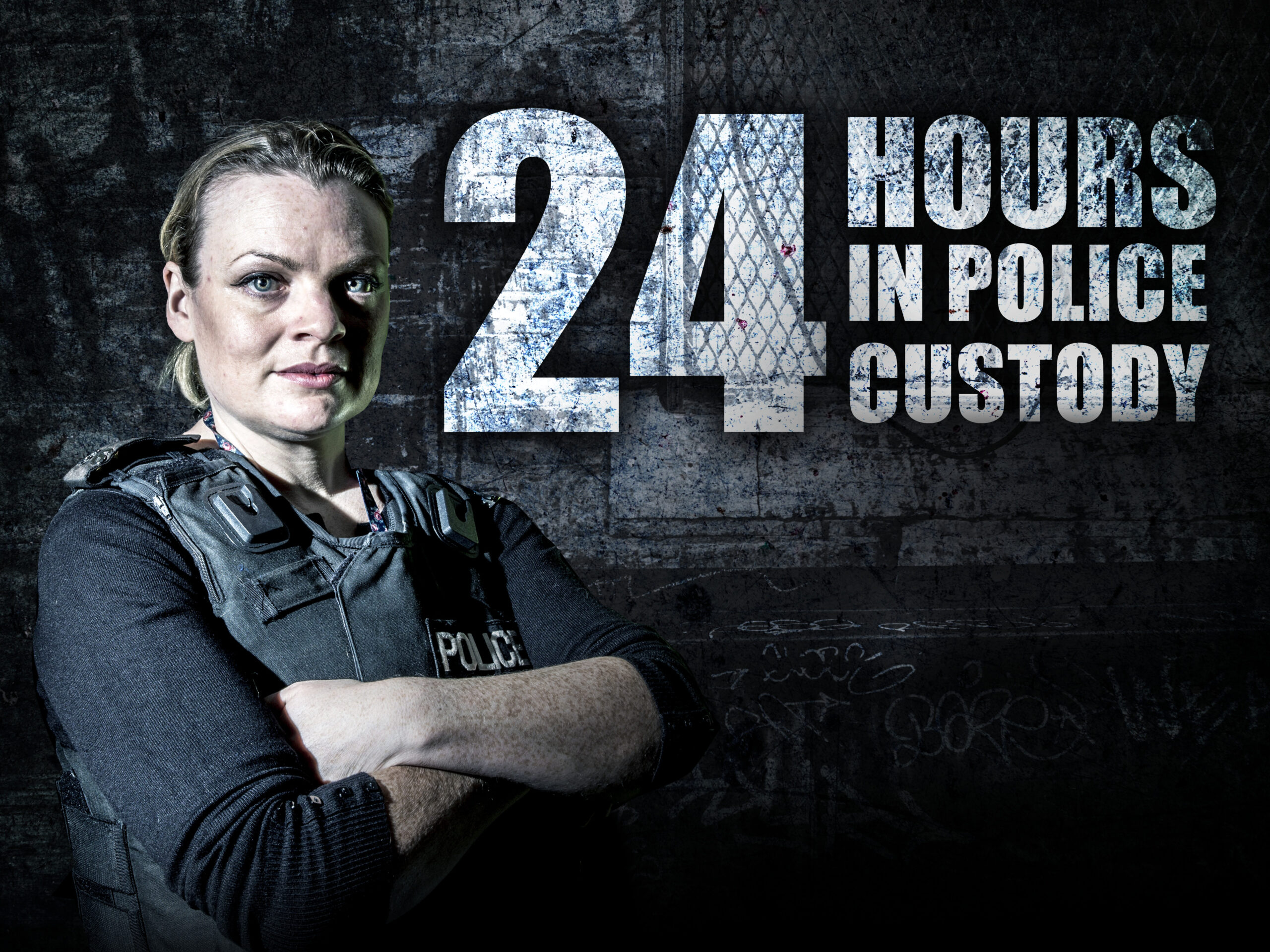
The television series ’24 Hours in Police Custody’ has shed light on the workings of the British police and the critical first day of a criminal investigation. Understanding this timeframe is essential as it highlights the legal and psychological aspects of police procedures, impacting both suspects and the judicial process. This article delves into the importance and implications surrounding the initial 24 hours in police custody.
Details of the Process
In the UK, the police can detain individuals for questioning under the Police and Criminal Evidence Act 1984 (PACE). For most arrests, officers have the authority to hold suspects for up to 24 hours before charge or release, which can be extended to 36 or 96 hours for serious crimes or under certain conditions. This critical period is where evidence depends on eyewitness accounts, forensics, and suspect interviews.
During this time, police must balance the need for thorough investigations with the rights of the detained individuals. The film depiction of this process, as presented in the series, showcases the various methods police officers employ for gathering information. Real-life cases reveal how procedural errors or mismanagement during this period can lead to wrongful arrests, highlighting the significance of the first hours in custody.
Impact of ’24 Hours’ on Society
The dynamics within the custody suite, along with the portrayal of police, can influence public perceptions of law enforcement. The series has prompted discussions about accountability, transparency, and the treatment of suspects within British custody. Critics argue that while the show raises awareness, it can also lead to oversimplification of complex legal proceedings.
Recent statistics indicate that approximately 1.5 million arrests occur annually in England and Wales, with a significant percentage leading to charges within the first 24 hours. Acknowledging the importance of this period is crucial for improving police practices and the overall justice system.
Conclusion
’24 Hours in Police Custody’ serves as a lens through which viewers can gain insight into the procedural realities faced by both law enforcement and suspects. The implications of the first day of detention are profound, impacting not only individual outcomes but also broader societal perceptions of the justice system. As public discourse continues to evolve, understanding the critical nature of this timeframe remains essential for both the police and citizens. Ultimately, these discussions contribute to the ongoing quest for justice and fairness within the UK’s legal framework.



