Introduction
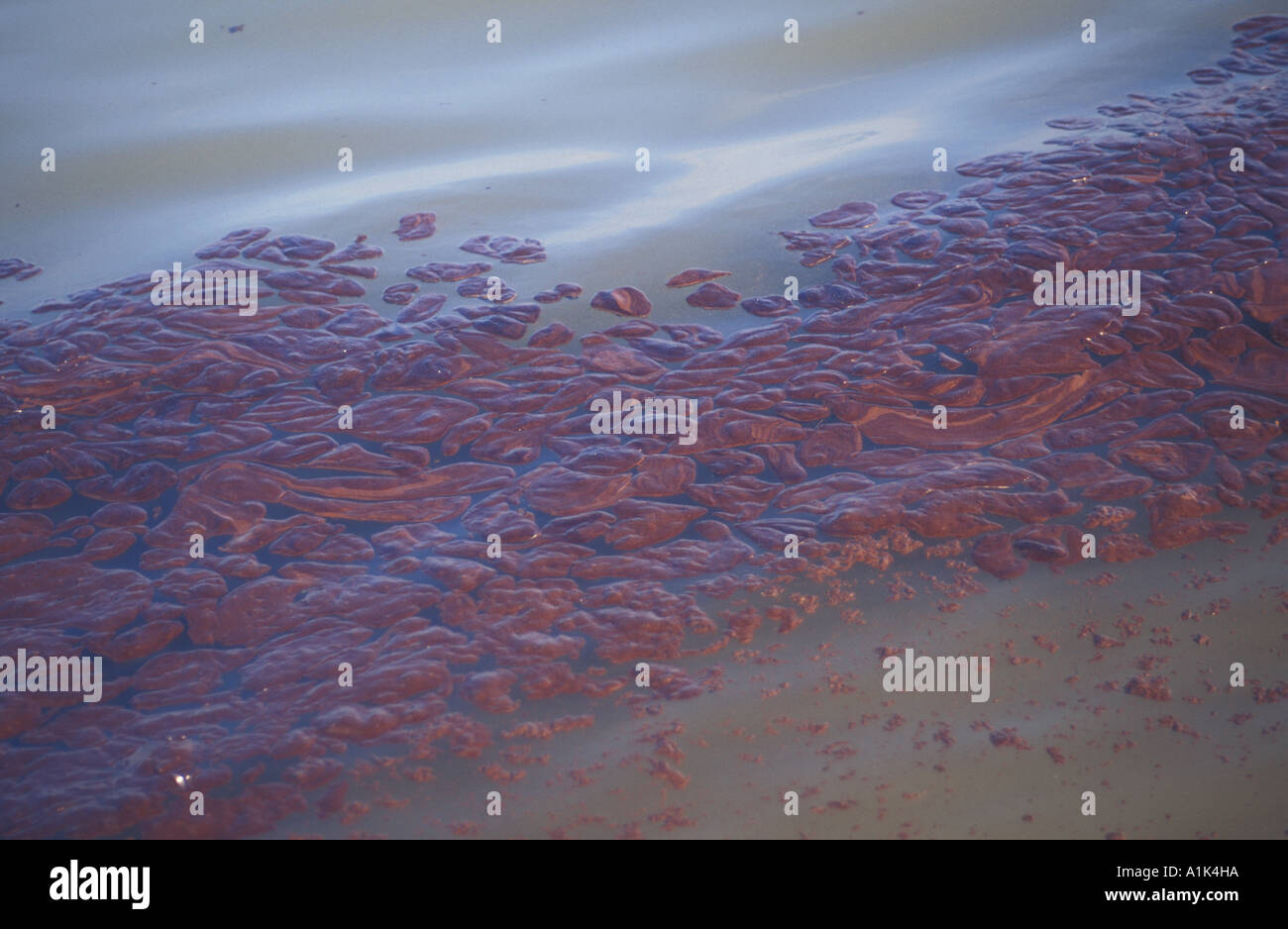
The Sea Empress oil spill of 1996 remains one of the most significant environmental disasters in the United Kingdom’s history. Occurring off the coast of Pembrokeshire, Wales, the incident released approximately 72,000 tonnes of crude oil into the sea, profoundly affecting local wildlife, the fishing industry, and tourism. Understanding the spill’s consequences is essential for recognising the need for rigorous safety measures in maritime operations.
Details of the Incident
The Sea Empress, a Liberia-registered tanker, ran aground on February 15, 1996, at the entrance to Milford Haven, a crucial estuary in Wales. Bad weather and poor visibility contributed to the tragedy as the vessel, en route from Norway to the US, collided with rocks and began to leak vast amounts of oil. Efforts to contain the spill commenced immediately, but despite the deployment of booms and the establishment of clean-up operations, more than 20,000 tonnes of oil escaped into the water.
This disaster had a devastating impact on local wildlife — thousands of seabirds were affected, along with numerous marine creatures. The spill severely disrupted the region’s fishing industry, resulting in the closure of several key fisheries. Local businesses reliant on tourism experienced financial strain as visitors opted to avoid the contaminated beaches.
Response and Remediation Efforts
In response to the spill, a massive clean-up operation was initiated. Approximately 1,000 volunteers collaborated with local authorities, conservation groups, and the military to remove oil from beaches and provide assistance to affected wildlife. Nonetheless, the long-term environmental effects lingered, with habitats taking years to recover fully. Post-incident assessments and scientific studies revealed that the spill had a lasting impact on local ecosystems.
Lessons Learned
This calamity led to significant changes in regulations regarding shipping safety and emergency response strategies. The disaster highlighted the vulnerabilities of maritime operations and prompted improvements in environmental protection laws. Furthermore, the tragedy underscored the necessity of robust training protocols for ship crews, including navigation during adverse weather conditions and risk assessment procedures.
Conclusion
As we reflect on the Sea Empress oil spill and its aftermath, it is crucial for policymakers, industry leaders, and environmentalists to remain vigilant. Similar maritime incidents could occur if lessons are not heeded. Continuous improvement in safety practices is vital to protect marine environments and local economies from the devastating effects of oil spills. Ongoing discussions around sustainability and enhanced regulations are essential to ensure that the mistakes of the past are not repeated.